The Enchanters – Second Reading
I’m currently rereading James Ellroy’s The Enchanters and enjoying it more the second time round, although naturally a few things that grated on the first reading now seem even more glaring. Rather than do a standard review, I thought I would jot down some thoughts.
The Setting
Los Angeles, 1962. Ellroy was fourteen years old at the time of the novel’s setting. ‘Geography is destiny’ Ellroy is fond of saying. To which we might add that history is memory. Ellroy has always been at his best when he can draw on his own experiences – his penchant for voyeurism, his cast-iron memory -and bring them into an historical fiction narrative. The Enchanters is strongest when he does this. Ellroy is not a natural researcher. He hires researchers to do the legwork for him while the inspiration springs from his memory. The WWII setting of Perfidia and This Storm robbed him of his modus operandi as he was completely dependent on researchers to portray the LA of before his birth.
The Characters
Now that Ellroy has abandoned the LA Quartet in favour of a Quintet (it’s a numbers game), how consistent is his portrayal of character? There are some characters, such as Dudley Smith and Elizabeth Short who have gone through too many jarring variations, but others feels they are coming into their prime. LAPD Chief William H. Parker is a far more interesting presence. He’s ambitious and cunning, unlike the pathetic, emotionally volatile figure he has been in recent novels. It helps that we don’t see too much of him. Despite deconstructing historical figures, Ellroy also left them enough mystique to stay interesting – the glimpses we see of J. Edgar Hoover in the FBI transcripts of American Tabloid to use one example. Fred Otash is also vastly more complex. Ellroy told me he never liked Otash personally… and in Widespread Panic it showed. Here, Ellroy has put his personal feelings aside, and he really explores Otash’s soul. I was less convinced that we needed Otash’s romance with the actress Lois Nettleton.
Marilyn Monroe
The FT review of The Enchanters makes the interesting point that Marilyn Monroe’s legacy has been hotly contested in recent years, and argues that Ellroy wants to ‘put that legacy right back where it used to be – in the zone of kink, innuendo, sex, gossip and scandal’. Well perhaps, but there’s something refreshing about Ellroy’s portrayal of a woman who understands her vices even though she can’t control them. His Monroe isn’t exactly an iconic icon of iconicity but she is endearingly human, and I loved her more for that.
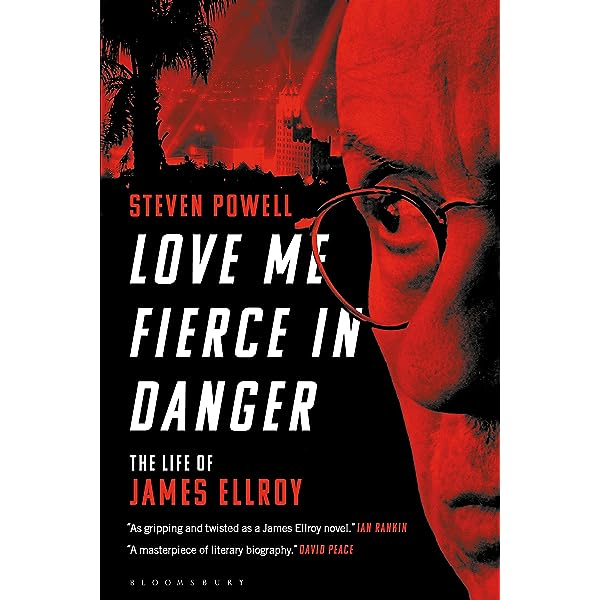
Love Me Fierce in Danger: The Life of James Ellroy is published by Bloomsbury.
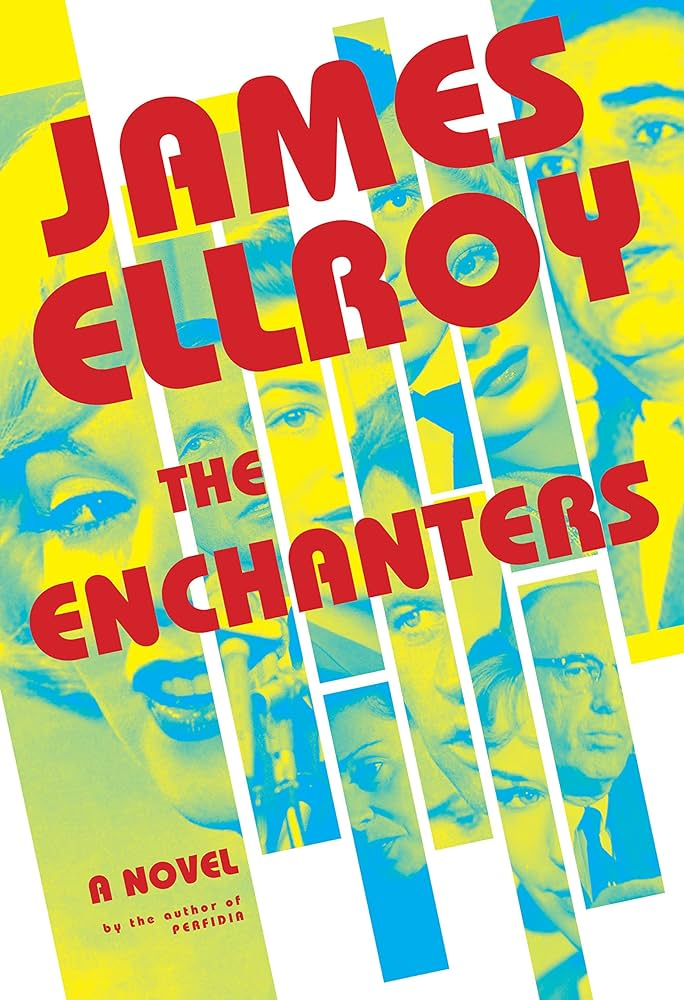
A James Ellroy Playlist: Images of Enchantment
Now that James Ellroy’s The Enchanters has been published and many readers of this site will already be ploughing through it, if you haven’t finished it already, I thought it would be a good time to assess the musical influences on the novel as part of my ongoing series on Ellroy and music.
Image of a Girl
After Marilyn Monroe’s death Freddy Otash’s first-person narration notes that ‘local disk jockeys played ‘Image of a Girl’ twenty thousand times a day’. Later at a beach party he notices some ‘Teen queens preened in Marilyn drag’ while transistor radios play ‘Image of a Girl’. The song by The Safaris reached No.6 in the US pop chart in 1960, two years prior to Monroe’s passing. In The Enchanters ‘Image of a Girl’ is used as a haunting tribute to Monroe, one of the most beautiful women in the world, and perhaps Ellroy first heard the song in the Summer of 1962, although I cannot find any evidence that it was getting constant airtime, as Ellroy suggests, shortly after Monroe’s death.
The song jumped out at me as, when I was writing Ellroy’s biography Love Me Fierce in Danger: The Life of James Ellroy, Ellroy specifically mentioned this song to me when he was talking about one of his former lovers, ‘her song was ‘Image of a Girl”. I subsequently interviewed the lady in question who told me she hadn’t heard of the song, so I played it for her:
How Are Things in Glocca Morra?
Just as Ellroy links ‘Image of a Girl’ to Monroe, he also links a specific song to Monroe’s occasional lover President Kennedy. Otash meets the actress Lois Nettleton at the The Chapman Park Hotel. Dick Haymes is singing ‘How Are Things in Glocca Morra’. Otash notes that Nettleton ‘loved the song’. John F Kennedy had more mixed feelings about the song. As this article in The Huffington Post reveals:
JFK was young congressman in 1948 listening to the Finian’s Rainbow Broadway cast album in his Washington apartment when he learned that his beloved sister “Kick” (Kathleen Kennedy) had been killed in a plane crash in France. The song “How are Things in Glocca Morra?” played as he broke down in tears.
Ellroy has chosen two songs for The Enchanters which, in specific contexts, can be associated with premature death and tragedy – the sad love song for Monroe and the ode to a fictional Irish village for JFK.
Below you can listen to Ella Logan sing ‘How Are Things in Glocca Morra’. This is from the original Broadway production that JFK was listening to when he heard the news of Kathleen’s death.
Love Me Fierce in Danger: The Life of James Ellroy is published by Bloomsbury.
The Enchanters by James Ellroy – Review
Statement One: James Ellroy is one of the most important figures in the history of American crime fiction, possibly recent American literature.
Statement Two: James Ellroy’s recent novels have left critics and his most ardent admirers divided and sometimes baffled by their complexity and the author’s stylistic experiments.
Both of the above statements are objectively correct. Whether you like them or not is somewhat beside the point. Expectations are high for Ellroy’s latest novel The Enchanters, simply because curiosity is needling away at the reader. Will it be a return to form, or will it contain much of the repetitive alliteration and convoluted plotting that flummoxed readers of Perfidia and This Storm?
The Enchanters begins on August 4, 1962. JFK is in the White House. RFK is waging war on organised crime as Attorney General. These two very different siblings, the womaniser and the idealist, reign over the metaphorical court of Camelot, but the death of a blonde bombshell is about to challenge all of that. The Enchanters begins on the day Marilyn Monroe died. Sleazebag private eye and fixer Fred Otash has his hands full. He’s helping the LAPD’s ‘Hat Squad’ to throw a kidnap suspect from a clifftop on the Chavez Ravine. Otash’s motto is ‘Opportunity is love’ and he senses Monroe’s death is a big opportunity. Does it connect to the kidnapping of a B-movie starlet Otash has been investigating? Or the spiralling production costs of Cleopatra which are bankrupting Twentieth Century Fox? Or is it related to the actor Roddy McDowell‘s self-directed, curated personal porno collection? In Ellroy’s version of Hollywood, behind the glitz and glamour, everything connects in a world of scandal and sleaze.
This is classic Ellroy territory, and the good news is that The Enchanters reads very well. Ellroy knows this world and delights in taking the reader on a tour through its seamier side. Readers may feel relieved that he has abandoned the WWII setting of his previous two novels and returned home. Also, he has scaled back on the endless alliteration of Widespread Panic, which made Otash, through the first-person narration, a rather facetious character. In The Enchanters, Ellroy gives some hidden depths to the man so that, despite Otash’s venality, he comes across as a tragic figure and a sympathetic one.
With The Enchanters, Ellroy has once again cast his spell.
Love Me Fierce in Danger: The Life of James Ellroy is published by Bloomsbury.
This review was cross-posted on Shots.
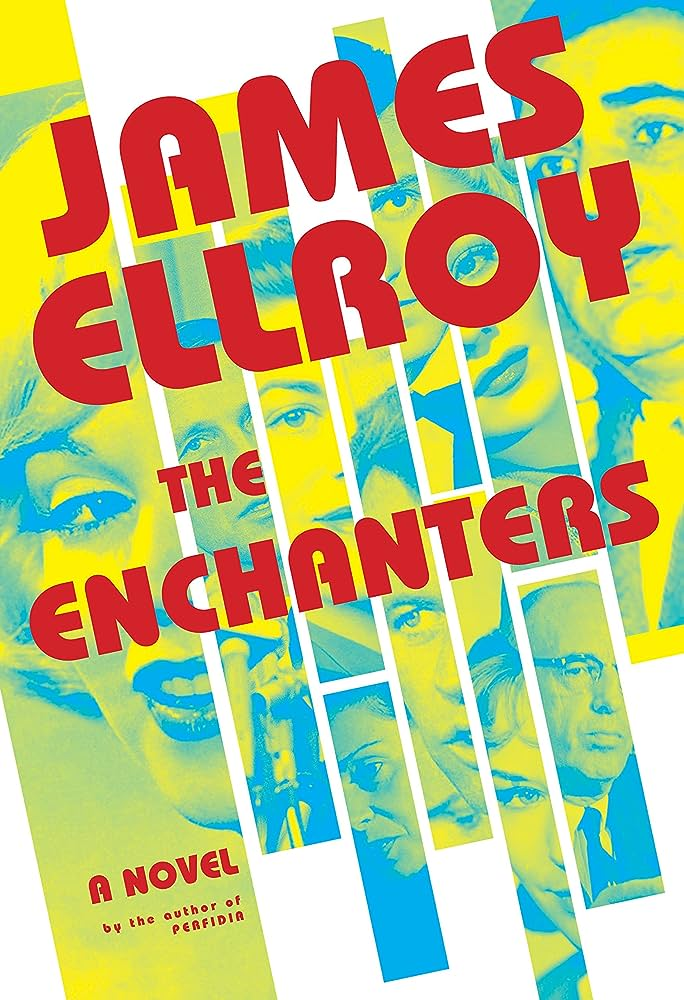
Drunk on Movies Podcast – LA Confidential
Drunk on Movies is a terrific podcast. The basic premise is simple – a guest picks a movie and a drink to go with it. They then watch the movie and talk about it while they drink. I was thrilled to be invited onto the podcast for the latest episode. The movie I picked was LA Confidential and we made it a cocktail special with each contributor choosing a different cocktail.
It was great talking to podcast host Detective Wolfman and series regular the Professor (who knows more about alcohol than I would have thought humanly possible). Given my choice of film, I spent a lot time discussing my experiences of working with James Ellroy and my biography Love Me Fierce in Danger: The Life of James Ellroy.
You can listen to the episode here. Dig it Cats!
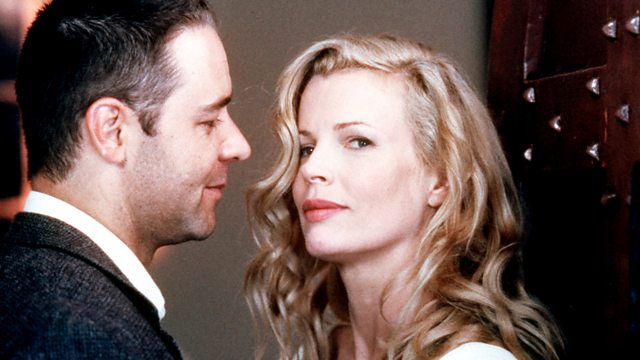
Patricia Marques: An Interview with the Author of The Colours of Death and House of Silence
Patricia Marques is an author with a gift. Her gift is to write gripping detective fiction set in Lisbon with a speculative fiction twist.
Inspector Isabel Reis is a character with a gift. She is part of a small portion of the population born with special abilities – the gift of telekinesis and/or telepathy. These gifted individuals are distrusted by both the authorities and the general public. In Marques’ novels The Colours of Death and House of Silence, Isabel Reis investigates a series of seemingly baffling crimes while always battling the aura of suspicion that her gift bestows upon her.
I interviewed Patricia Marques about the Inspector Isabel Reis series. She’s a joy to talk to… brimming with enthusiasm about her influences but also candid about her writing struggles. She’s had a fascinating life. Our conversation is below:
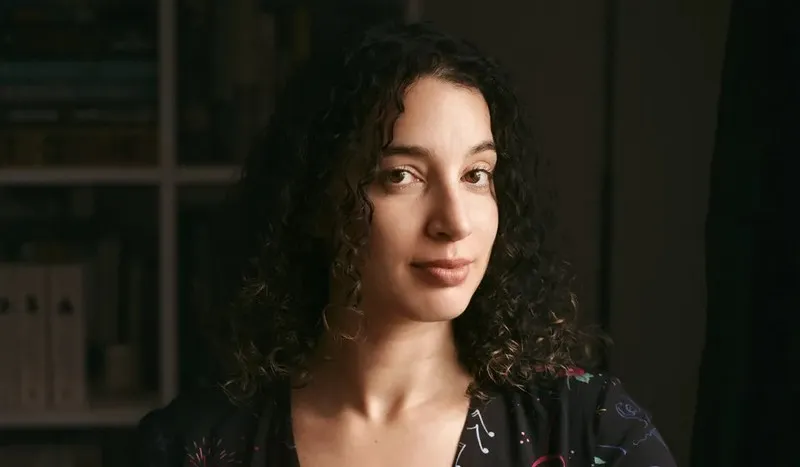
Interviewer: Tell me a little bit about your writing journey.
Marques: I started writing quite early on mostly because my mum limited me to reading only two books a week, because I was going through them too quickly. So, in order not to get bored because I was running out of stories, this is around secondary school, I just started writing my own. I still have a few in those yellow English books they use to give out at school. I don’t read them because I cringe every time I do. But yeah, and I kind of carried on writing from where I started off reading. Do you know the Point Horror books?
Interviewer: Yeah, I loved reading them from my School Library.
Marques: It didn’t even occur to me until I was an adult that those were crime books but for teenagers. So, I was writing around that kind of stuff sometimes with a little bit of a supernatural edge. But I never really tried publishing. I never really thought about it, because around university time I was doing my Creative Writing BA. I just really got into fan fiction. I got lost in the fan fiction world for a while. And then I wrote what you would call a novel length, well probably longer than that, it was way too long, a novel-length fanfic. Well, if I can do this for fanfic then I can do this for my own characters. I started trying to write my own novels. It was hard. I got lost around the 20,000-word mark, like most writers do. You get to that point where you think this idea’s no longer shiny and new. It’s getting hard. I had enough of that, and so I did the MA. Part of the MA that I did with City University was If you didn’t finish the book, then basically you wouldn’t graduate. One of the requirements for that Creative Writing MA was that you had to complete a full novel, and that’s how I ended up here. The first book of the series (The Colours of Death) was what I delivered, in a very different form to what it is now, to my tutors. And then it was just going out querying agents, and I was very blessed to be picked up by A M Heath.
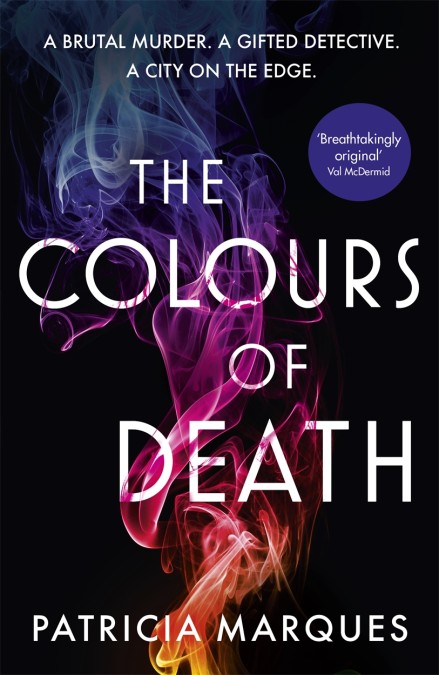
Interviewer: Before we just talk about the first novel, I’m just curious about the fan fiction. So which universes? Which characters?
Marques: Oh, gosh! I still write under a pseudonym nobody knows and I don’t discuss, but I don’t mind disclosing the fandoms. That’s absolutely fine. I started out in narrative fandom because I love Manga. I love Anime. I have less time now, but I’ve got two at the moment that are just pulling up my heartstrings. They’re finishing this year, so I can’t wait. Great storytelling, fantastic storytelling. But yes, I started with narrative fandom. Most of them are all Manga and Anime ones. So Naruto, I did Hitman Reborn, Bleach, that was really a fun universe to play around with. Then I did Supernatural. Very briefly dipped my toes into Inception. You have some amazing writing taking place in Inception, phenomenal writing. Gosh, what else? At the moment I’m mostly in DCEU, the extended universe. I do still write from time to time when I can fit it in.
Interviewer: It’s amazing you can juggle so many stories and still be writing (holds up a copy of The Colours of Death) these things.
Marques: It’s a form of escapism, although you’re still writing and obviously that takes time, and you still, even though it’s fan fiction, you still want to put your best foot forward. The characters are already fleshed out for you. The world is already fleshed out for you. So, it’s almost like what we did in the pandemic. I know a lot of people were able to read loads of new books, but I couldn’t start something new. I was just re-reading favourites because it felt more comforting. So, I feel like fan fiction operates for me in a similar way. I’m just dealing with what’s already there, and that’s kind of nice and safe, and you don’t have to worry too much about it. So sometimes it’s just escapism, so that I can stay sane throughout working full time, and then the actual writing that I’m supposed to be doing.
Interviewer: I suppose writing what you know is in a sense what all novelists do, because your character Isabel Reis is, like yourself, a Portuguese woman. Do you want to tell us a little bit more about your background.
Marques: I was born in Portugal, and I grew up there until I was eight. I’ve still got a lot of memories from my time growing up there. Even after we moved here (London) I was going back for holidays every year for the Summer. I don’t work there. I don’t live the Portuguese life unless I’m on holiday. But that doesn’t count because you’re still on holiday. So, everything’s quite rose tinted. It’s quite nostalgic, even though I do know about struggles that people face today, I’m not living them. So, I guess I can romanticize it a lot more than someone who lives there at the moment. I share a lot with my main character. People ask me if there’s a lot of me in her. And, personality-wise not really, other than her love for family and her family loyalty.
I don’t actually share too much with her. For instance, one of the things that I did was remove that strong support of her mother, which is something that I’ve had throughout my whole life, and that’s something that unfortunately she doesn’t have. But I guess that also came from a place of knowing myself and what’s valuable to me, and what I need in order to survive. And then I was able to remove those things from her. We share a mixed background because my mum is Angolan, and my dad’s Portuguese. Likewise, her background is the same: Angolan dad and Portuguese mum. So that kind of mixed ethnicity is there. The food is there. What she likes to eat. How she likes to eat. That’s very much me I have to say. So that’s part of me. Her love for dogs. Dogs are everywhere in Portugal all the time. They’re not like over here. They take themselves out. Whereas here you take them for a walk. You still do that, but especially in the small towns. Dogs are like how cats are here where the cats are free to move around. But the cats, they are more likely to be kept inside. Very reverse. Mostly in the in the smaller kind of towns you’d have that. Unlike me, she’s always lived there. That’s where she belongs.
Interviewer: And she has this thing called the gift. You’ve created this universe where you’ve mixed speculative and crime fiction. Do you want to tell us a little bit about what the gift is and where it came from?
Marques: When I started writing it all I had was a body at the beach which, as you know now, is no longer the case. There is no body at the beach (spoiler alert). I kind of had this unknown female Inspector who was called to the scene, and all I knew in my head was that she had headaches. She was walking up (to the beach), and she was trying to fight back this awful headache. And so it became a question of – Why is this headache so bad? It’s not just a migraine. Obviously if she had a migraine she wouldn’t move at all, because we all know how bad those are. So, I was trying to find a reason for why. What if she’s taking something that’s causing these headaches? And I thought, well, what was she taking this thing for? And that’s kind of how I ended up going, oh, well, what if she’s taking it to hold back a power, and then all of it kind of ended up being built around the gift and those questions of her headaches, and why she had them. I mean initially, I think it was something that was just explicit to her before I actually made this a thing that quite a few people had and then it just became about building the system that the characters would need to live in. And that’s when I thought, okay, she’s got telepathy. But other people don’t have telepathy. They have telekinesis, but then I kind of stopped at the two because I didn’t want it to become too overwhelming.
I didn’t want it to become X-men, although I love X-men. But that’s not what I wanted to do here. I wanted it to be as down to earth as I could possibly make it, so that it could blend in with our day to day lives. I guess I wanted people with Powers who lived in our world. They are just like us, but they happen to have this extra sense and then it was kind of navigating how they’re seen by society. And then I created the system as well. Some people have very low, low-level versions of this. Some people can maybe sense emotions, or just like a wisp of something, whereas for other people they can get into your head and listen or move a whole building. I created that escalating system of where they fell within that kind of power scope. And it was quite fun exploring how it would affect them physically. So how it impacts on their sanity, their emotions, everything. Does it have a negative impact on their brain? It was quite fun to piece those things together.
Interviewer: I think it works really well. I don’t read a lot of speculative fiction. When I saw your book, I thought, crumbs, is this for me? But I took a punt on it, and I really got into the world. Did you find that a lot? People saying, I don’t read sci-fi but I loved your book.
Marques: Oh, yeah, there was a lot of reactions to it. My agent, myself, and my publishers were very aware that it was quite a niche thing, quite difficult to pitch. Because you have people who just want crime fiction. They don’t want anything else. We have people who are really into the sci-fi, and they don’t want anything else. So, for some people it was too much of one, and for other people it was too much of the other or not enough of the other. Some of the things I saw was that people thought there wasn’t enough world building. Fair enough, but if you ask me straight out do you consider this to be a science fiction book… before I would have said No, but now I would say, well, it is, but it’s also a procedural. From what you said, I have had a lot of people who said, I took a chance on it, and yeah, I enjoyed it. So, it was nice to see those responses as well. But I’m conscious that there are still a lot of readers out there who tried it, and fair enough, thank you for trying, but it wasn’t for them. I think that’s also the same with a lot of books that aren’t just straight crime or straight sci-fi. People will try them and think, the book wasn’t for me, and that’s fair enough. I think you’re just gonna get that, no matter what genre you’ve written really.
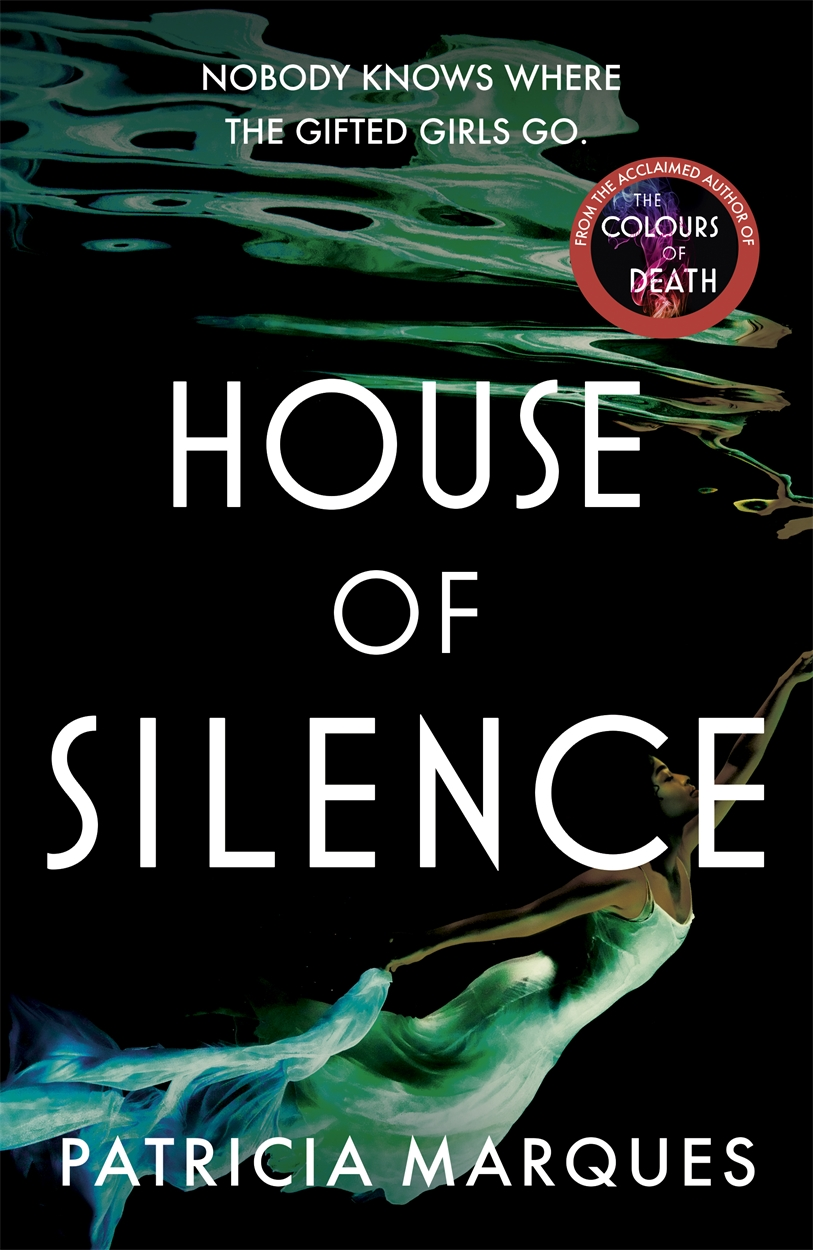
Interviewer: Yes, and not just genre but social commentary. The gifted face prejudice. And I was wondering whether you were trying to draw a parallel with immigrant groups or LGBT?
Marques: I didn’t have one specific group in mind, but absolutely. I guess for me, and it’s interesting because I think whoever reads it, it says a lot about them who they kind of relate it to. It was social commentary on the fact that there will always be groups that are stigmatised for whatever reason people choose. But I guess for me personally, as someone of mixed heritage, I’m white. So, I don’t get a lot of that. And because people just think I’m white, and so I don’t have to deal with a lot of prejudice, but that’s not the case for a lot of members of my family. For my cousins or for my grandma, you know that they’re black. That’s not something you can hide, nor should you hide. I’ve gotten to see some of the things that they’ve faced. I know some of the things that I worry about on their behalf, because I know the colour of their skin will be used against them by other people. So, it’s something that I’ve always been very conscious of, even growing up white facing you’re always aware of these things that are happening to your family and also the community I grew up in.
I’ve been very, very lucky both in Portugal and where I’ve grown up here. I’ve been in Tottenham all my life. Well, apart from those eight years in Portugal. Since we moved here, we’ve never moved from Tottenham, and that’s like one of the most diverse communities in London. I worked in a lot of community focused places. I used to work at a Children’s Centre in Tottenham. Fantastic place. I’ve worked in the primary schools here in the Borough. Now I’m working at Greenwich University. Super diverse community. It’s a blessing but you also get to see everything that certain groups from those communities face on a daily basis from people who don’t think that certain people should be here. You get a more intimate look and feel of those things. So, I think it’s natural that it makes it into your work, even if you might not necessarily think about it. You’re not consciously thinking about it as you’re doing it. But then you look back and say, yeah, this comes from a place of knowing. That would be where the two marry up personally, but I have seen other people in reviews liken it to LGBTQIA+ ostracization. It’s a more easily digestible way for certain readers to read about these things without feeling attacked by them. They end up recognizing them on their own. I certainly don’t want to come across as preachy. but if they can recognize it, and they can empathize. And hopefully, that’s also something they can take outside of the fictional world into their daily interactions.
Interviewer: I think you handle that just right. Not being hit over the head with a message, it’s just something that’s there. And the reader must be aware of that, because they need to think, what will Isabel do next? Given people are going treat her differently and look at her differently. How was the response in the industry? You got some wonderful blurbs. The name that jumped out of me was Val McDermid. Have you found famous fans out there?
Marques: I definitely know some interesting names that have read my book and I got to speak to them about it. I don’t want to say who. I don’t know if this meeting’s allowed to be mentioned, but anyway, from a really cool band that, everybody knows. It was actually in relation to film and TV rights that I end up speaking to that person. It was really cool, and I couldn’t believe I was talking to them. I had to tell my auntie because she used to be a big fan of them. I said, you’ll never guess who I had on the call with me! It was surreal hearing people like that had read the book and they’d really loved it. Val McDermid, I think it was really helpful as she’s such a huge influence on the crime writing community. and I was lucky enough to get picked for her ‘New Blood’ panel in Harrogate. So, I do wonder if that had not happened if the book would have been as well received as it was. but I know certainly going on the panel was one of the things that alerted the crime writing community to the book and to me as a writer. I think it was an integral part of the book’s success the fact that she read it and enjoyed it enough to talk about it in the first place, and to have me on the panel to talk about it as well.
Interviewer: How do you feel now it is a successful series, and we’ve got book three coming out next year?
Marques: Yes, it will be next year. First half of the year. Book three was an anomaly. Maybe it just felt like it. It was very, very hard to write. Funnily enough, before I came on this call with you, I was just in a call with my editor going over her editing notes for book three. Book three is taking place in the UK. Isabel comes over playing the tourist for a little bit. I don’t know if it was the change in location that kind of added to the difficulty of writing the book, because writing book one and book two, and I think a lot of readers have said this, and I agree as a writer, it feels this way to me that Lisbon is almost another main character within the book, and so the shift to London was really hard. I don’t know why because I live here. It was a bizarre writing experience, and really drawn out. If you asked me to pinpoint what I found so hard about it, I just couldn’t say. But the series as a whole, it hasn’t done six figure, seven figure deal well, but it’s done pretty good. If a publisher comes back to you and signs you on for two more books, I think that’s a telling sign. I take a lot of comfort from that.
So, I’ve got book three and book four coming, and reviews have for the most part stayed really positive. I’ve kind of learned to stay away from reviews just because, although you have these amazing reviews, even the amazing reviews can be quite daunting, because you just feel the pressure mounting. Even if you want to hear all the wonderful things people are saying, it’s just like, Oh, my God! I can’t let people down. It’s an additional pressure. In terms of writing a series. it’s odd because it feels like you’re just going back to people you know. Which is probably why I struggled with Book three because it was people I know, but in the different settings. So, I’m dreading moving on to something else, because I feel I’m gonna have a lot of difficulty with it, because I think anything with new characters. It’s just gonna feel kind of wrong. It’s a comfort zone in a way. We were talking earlier about fan fiction and going back because you are comfortable with these things. I think it’s probably going to be the same. But I’m still excited about it. I’m very excited about Book four. I’m a lot more optimistic about Book three now after my editorial notes. I’m confident that I’m gonna deliver something to readers that I’m happy with myself. Because that was the biggest issue with me, thinking, ‘Oh, my God! I’m not sure I’m happy with this. I’m not sure this is what I want to deliver.’ But now I think we’re in a good place. So, I’m excited. I’m excited to get it done and then get it out there to everyone.
Interviewer: I’m looking forward to it immensely. You know these characters, but of course people change, and we are very different people from who we were ten years ago. Do you have in mind how Isabel will change?
Marques: I know where she’ll be in Book four. One thing that I’m working towards with her is flipping her perspective of herself as a gifted individual. So, we start out in a place that’s not very great. She has her eye on her own gift. She fears what it will do to her. She knows what having the gift has cost her, mainly her relationship with her mother and healthy relationships with other people, with others who don’t have a gift. It’s infected every part of her life and so she hasn’t had the most positive experience and relationship with it. And so, where I hope we end up is where at least that will change, because I’m talking about it like it’s an individual thing. Like she’s one character and her gift is another. But actually, that’s her. It’s all elements of her. It’s almost like hating your own face. It’s a part of you, and you hate yourself and so I want to get to a place with her where she doesn’t feel that way. Even though you don’t know what the future will bring. She might not know if eventually she will lose her mind to it. But I want her to get to a place where she makes peace with it, and what she has and the positive things it can bring into her life. So, I’m hoping that’s where we end up and that’s what I’m working towards. That’s the biggest change I foresee for her.
In terms of her character, she’s opening up to more people. We see that with Voronov. She’s very closed off, and for all intents and purposes he’s someone that she wants to stay away from because of his past. But then we learn a bit more about the context of that, and not everything is as it seems, and then she learns to trust. She slowly starts to open up her circle a bit more and be more forthcoming. Spend more time with those around her. I just want her to be happy. I think she needs some happiness. She’s had so much taken from her that I think she needs the people that she loves to be around her, and I think she needs to be given that space and all of her to be complete as a character. But, like you said, we all keep developing, so she’ll probably keep developing even beyond that. But that’s the bare minimum that I’d like for her, some happy times and for her to be at peace with parts of herself.
Interviewer: Did you do any kind of research into telekinesis? Are you sceptic, or do you believe in these things?
Marques: Never say never! You just never know what the human mind might be capable of. They say we barely use the majority of our brain. So, if we were to use it to full capacity, who knows? Do I believe in it, really, no, it’s fun to play with. I didn’t really do much research other than knowing the anatomy that I’m mentioning, especially when I’m talking about the erosion and what her gift causes, but even that was kind of difficult to pin down, because you want to make it as believable as possible. So, you want to ground it in fact. But it’s so hard because how are you gonna explain why it’s eroding. It’s just difficult to do. But apart from that, probably everything I’ve read up until now has been research. Even other books or other shows that you watch with supernatural elements that show how other people use telekinesis or certain types of powers. You pick up a lot on your way, and that probably does end up making it into how you create your world, but not actually any science journals or pseudo-science journals. Nothing like that, although I’d probably read them quite happily because I find those things fascinating, so it wouldn’t exactly be hardship if I was to do it.
Interviewer: What’s the reaction been to your books in Portugal?
Marques: I was happy because I think that it really hit two of my main goals, which was to be published and to be published in Portugal. I ticked two boxes. I want to keep ticking more. I’ll just make up more boxes to tick if I can. I went over there last September, and I did a promotional program of events which was really cool. Really fun. I think it’s all the things that you dream of doing when you think, oh, I’m going to be an author, and this is what you get to do. And then you find out the reality is very different. They really went all out for me as far as I’m concerned. The publishing team, they put a lot of effort into getting me on TV and radio. The few reviews that I’ve seen from Portuguese readers have been really positive. So, it was nice to see, and the coolest part was, when I got there, I was just going to get a taxi, and they had, like a little kind of bookstore there, and my book was right there in Portuguese, and I wasn’t expecting it, and that caught me by surprise. I was like, oh my God! This is amazing. This is the moment I hadn’t allowed myself to dream of.
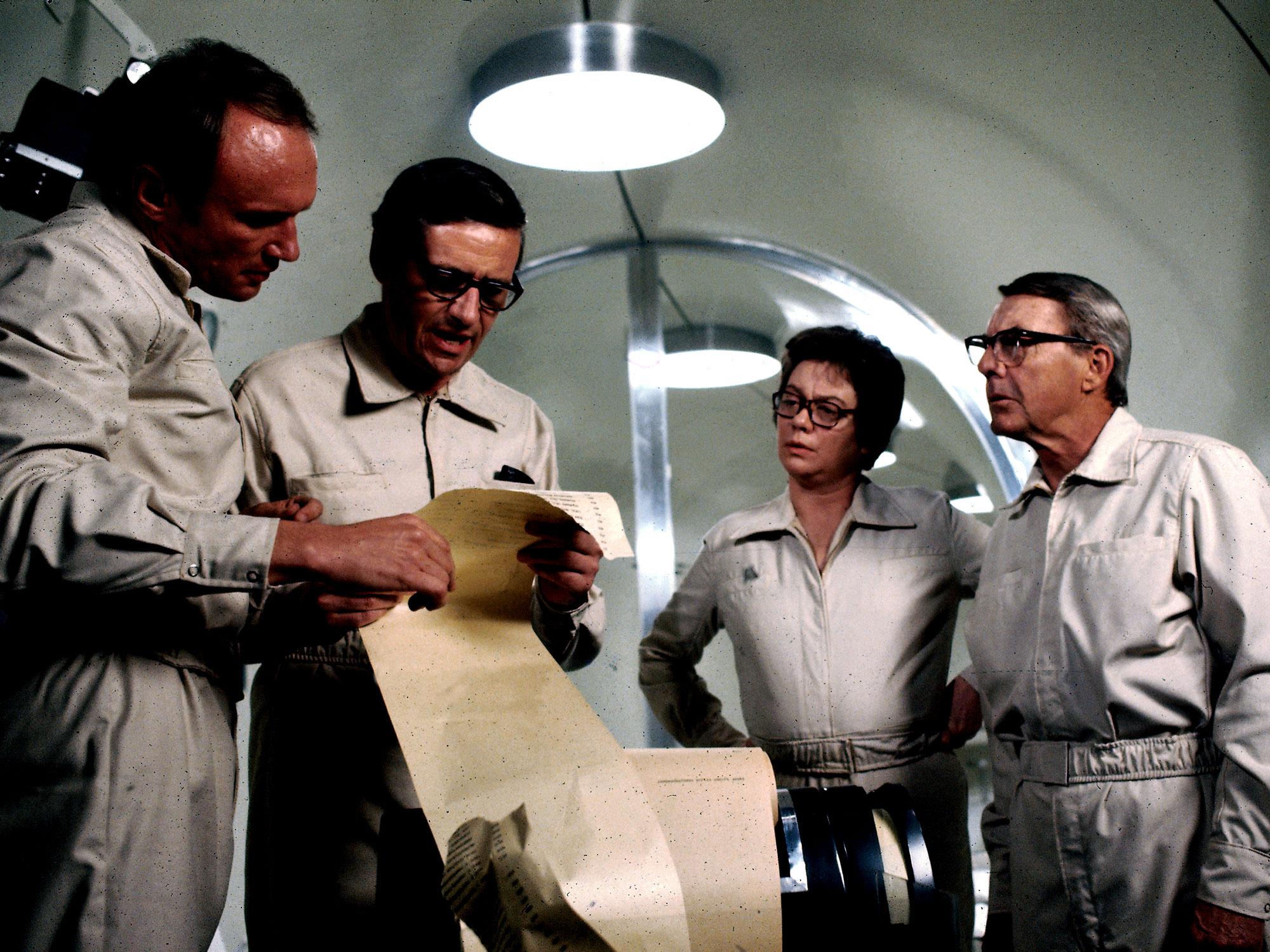
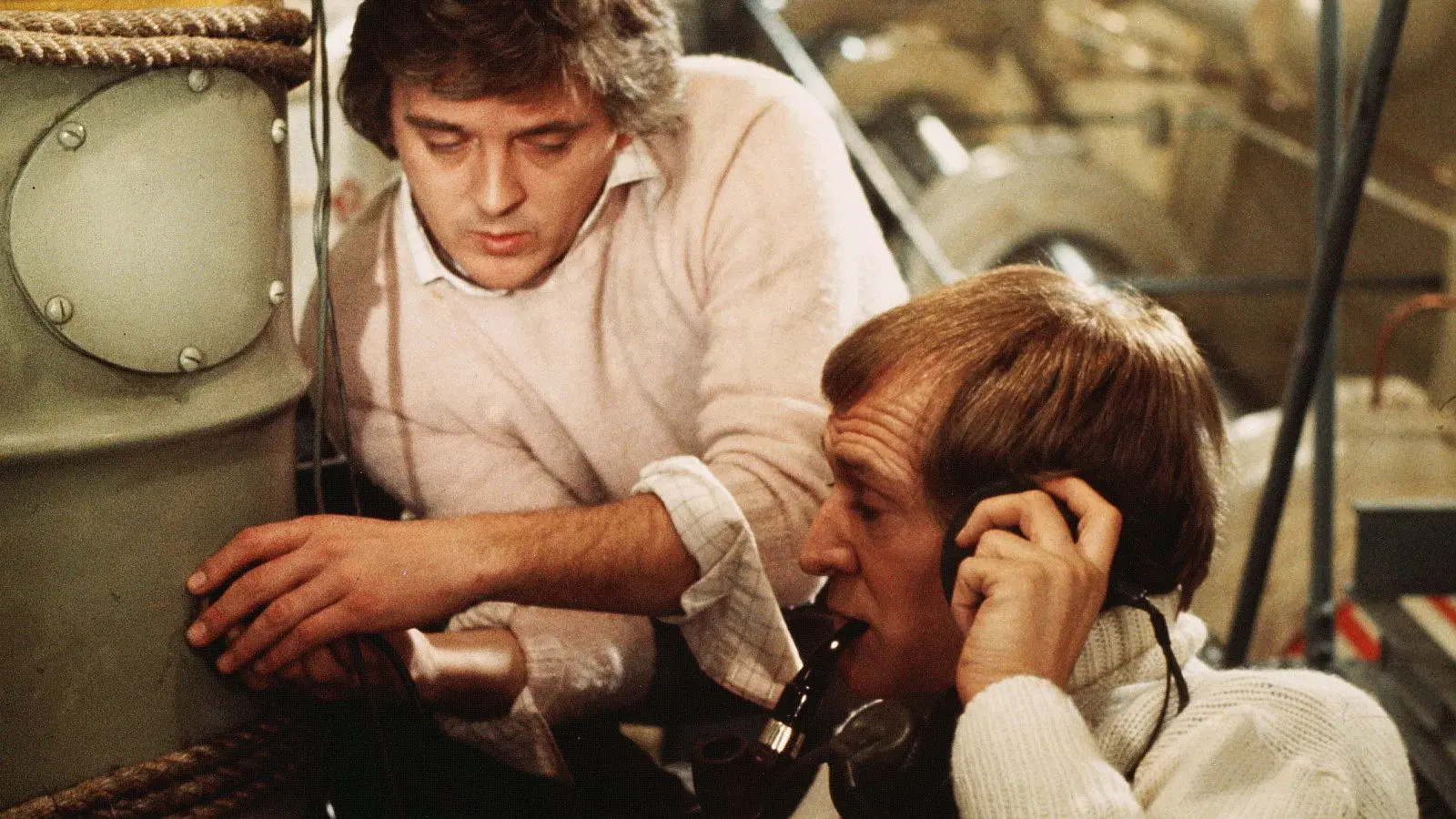
Highbrow Lowbrow returns with a suspense-themed special. Dan has the highbrow pick in this episode with the thinking man’s science fiction thriller The Andromeda Strain, based on a novel by Michael Crichton. My lowbrow pick is Juggernaut, a bomb disposal thriller that gets lost at sea.
You can listen here. Enjoy!
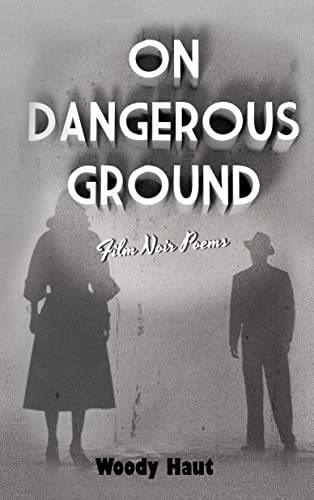
On Dangerous Ground: Film Noir Poems by Woody Haut – Review
Before I begin my review of Woody Haut’s excellent On Dangerous Ground: Film Noir Poems, I should confess to experiencing a twinge of jealousy when I read it. I’ve always loved film noir, and several years ago I tried to write a book about it. After doing months of research, I reluctantly concluded that the task was impossible. Almost everything that could be said about film noir has been covered in numerous books on the genre, and I couldn’t find an original angle. In despair, I started to write about James Ellroy’s life story. If I could just write a few pages about Ellroy it might inspire me to write about film noir, I thought. A few feverish months later and I had a contract with Bloomsbury to write James Ellroy’s biography. You have to listen to these signs the universe is sending you as a writer.
But upon reading Haut’s On Dangerous Ground, I couldn’t help feeling a tad mournful for my aborted book on film noir and what could have been…
Haut has a simple and ingenious approach. He has taken fifty classic film noirs and written a poem for each one. Some of the titles are canonical (The Maltese Falcon and Chinatown) and others are a little more obscure (Pushover and Try and Get Me). Haut’s poetry mirrors the hardboiled style of noir, whilst also embodying the fatalism, the dark romanticism and frustrated machismo as that elusive score or femme fatale is always just a little bit out of reach of our protagonist. He brilliantly distils the plots and winks at the reader when this is impossible. Perhaps that’s the enduring appeal of noir. It doesn’t matter that The Big Sleep is narratively incoherent or that Gilda isn’t even a very good movie. It’s the style, setting, ambience, sexual desire, even the ethos, or lack of one, that keeps drawing us back.
I read On Dangerous Ground in one glorious sitting. I advise you to do the same. But first pour yourself a scotch on the rocks, light a Chesterfield, and think of that lover from your past who was worth going to hell for.
Highbrow Lowbrow: College Movies Edition
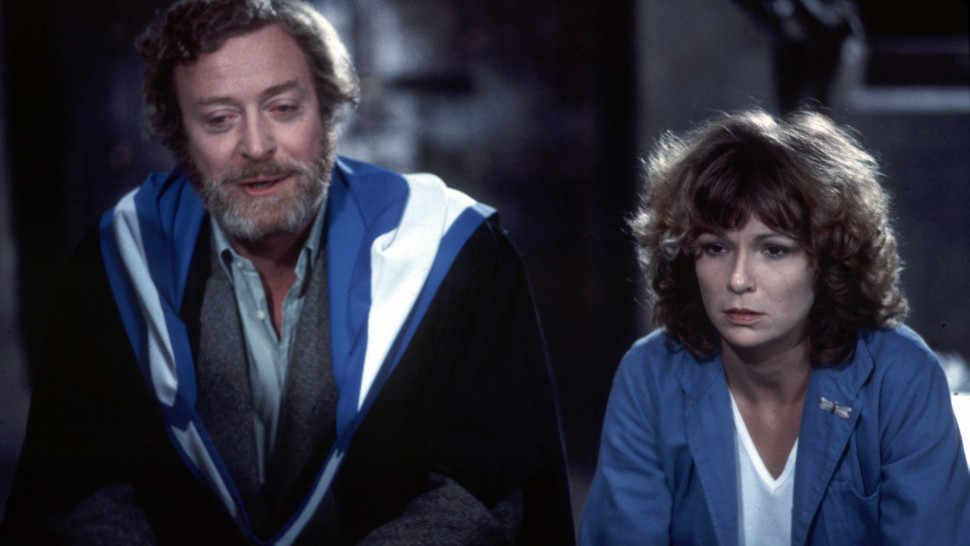
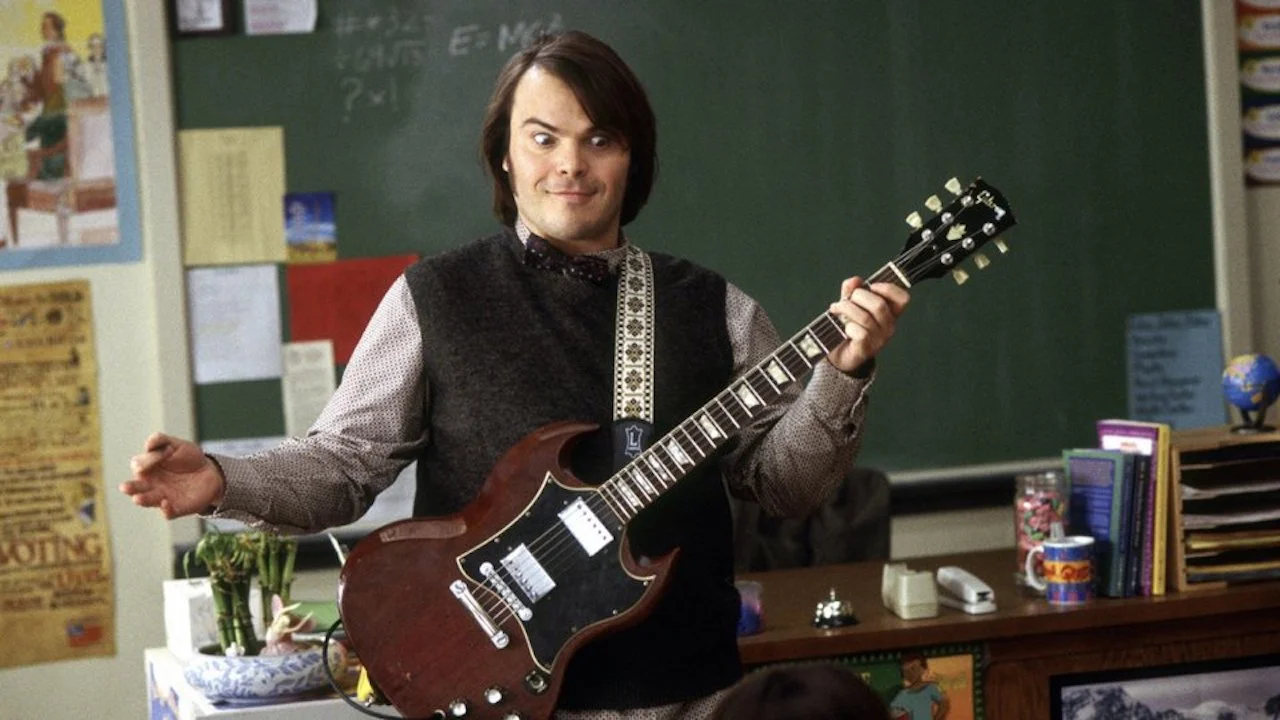
The latest episode of Highbrow Lowbrow is available to listen to now. This episode is a special college-themed edition, and we are joined by our good friend and University of Liverpool colleague Chris Simon. My highbrow pick is Educating Rita, Chris’s middlebrow pick is School of Rock, and Dan’s lowbrow pick is Scream.
The overall theme is movies with an education setting that can help viewers with their wellbeing, particularly if they are students who need time to decompress from their studies.
You can listen to the episode here.
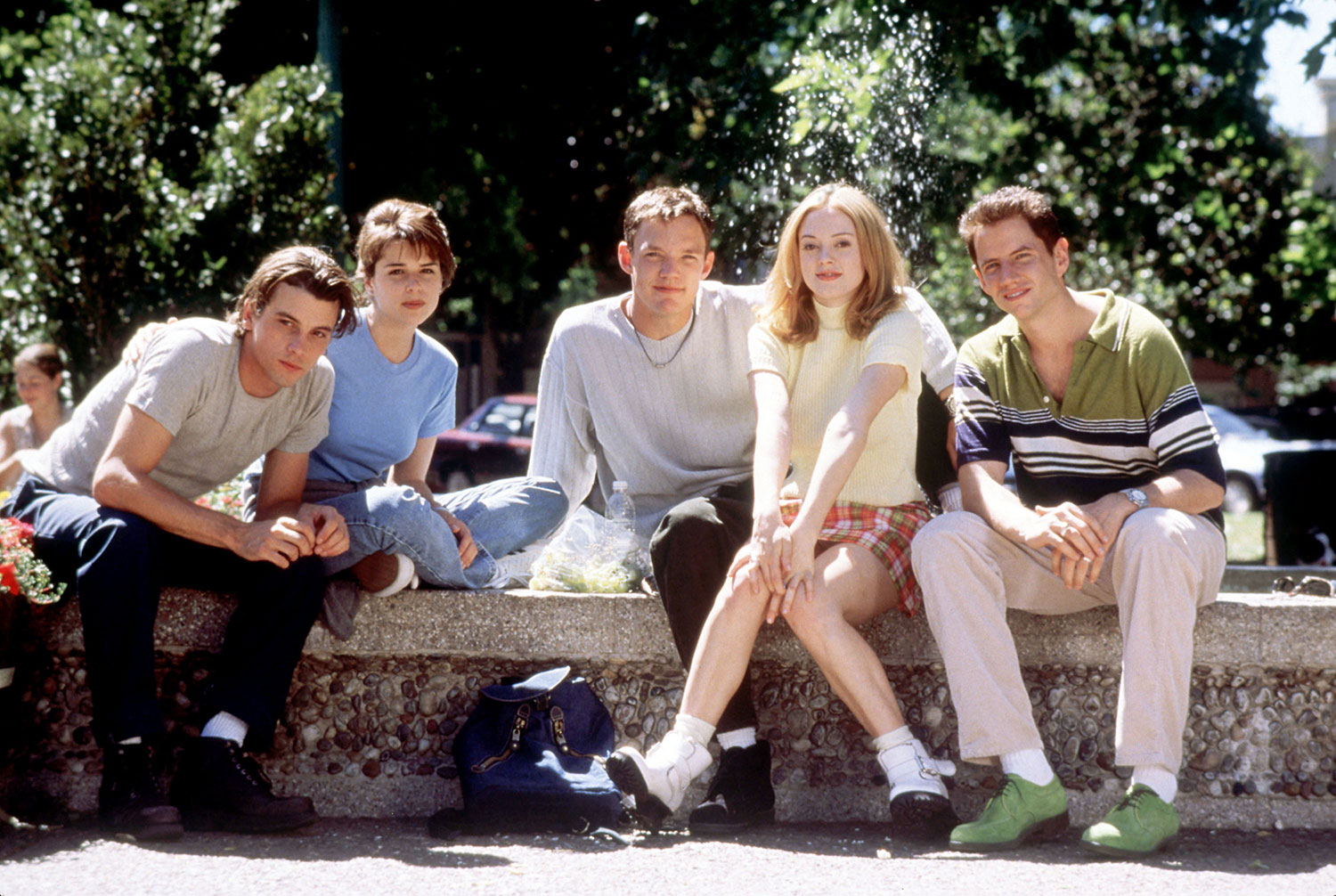
The Big Hurt by Erika Schickel – Review
In August 2021, a book was released about James Ellroy and many readers of this website will have already read it. No, I’m not talking about Love Me Fierce in Danger: The Life of James Ellroy. That was published eighteen months later by Bloomsbury, and you should definitely buy and read a copy of it by the way. The book I am referring to is Erika Schickel’s The Big Hurt: A Memoir which concerns, among other matters, her turbulent love affair with James Ellroy.
As this website is predominantly about James Ellroy, some readers may be surprised that I didn’t review the book at the time of publication. Well actually I did, as Ellroy’s biographer I had the nerve-wracking task of telling him about everything that was in the book. But now that some time has passed, I feel I can review the book in a more traditional sense. The book upset some Ellroy fans and understandably so. It’s probably every person’s worst nightmare to have an ex-partner write a book about them. However, having read the book numerous times and very carefully, my assessment of it might surprise you. Not only do I think this is a fine memoir, but it’s possible that many Ellroy readers will enjoy it as well.
Firstly, Erika’s relationship with Ellroy comprises a memorable but relatively small portion of the text. It’s used mostly to bookend the main narrative, which concerns Erika’s upbringing, her relationship with her parents (film critic Richard Schickel and novelist Julia Whedon), and her attendance at the prestigious Buxton School which came to an abrupt end after school officials discovered she was having an affair with a teacher. These sections of the book are very pleasurable to read. Erika unfolds them at a leisurely pace. There are many delightful period details (she becomes a fan of Top of the Pops while living in England), and plenty of moments that feel ripped from the pages of a DH Lawrence novel. For instance, Erika’s married teacher initiates their affair by taking her out to some meadows and telling her, ‘I am in torment’. The overall tone is one of melancholy, however. The strain of living up to the expectations of famous parents, who go through their own messy divorce, and the hypocrisy of life at an elite school all makes for compelling reading. Erika’s portrayal of Buxton is not flattering. Students are practically encouraged to have sex with each other, and the school turns a blind eye to them having affairs with teachers. Why, then, was Erika made an example of for her transgressions?
There are probably some readers who want to skip these sections to get to the scandalous details of Erika’s affair with Ellroy. They won’t be disappointed, but despite some candid moments this is more of a love story than a scandal rag expose. Erika never once blames Ellroy for the woes that befall her. She is blunt about his flaws but she is also generous about his many qualities. Erika and Ellroy meet at the LA Times Festival of Books and he tells her he’s writing a memoir titled The Big Hurt (which was subsequently retitled The Hilliker Curse, a book far more damaging to Ellroy’s reputation than this one). Over the next couple of years Erika loses her husband, her friends and her relationship with her daughters comes under strain, all because of the overwhelming sexual attraction between her and the Demon Dog. This perhaps, is the greatest strength and also biggest flaw of the book. It starts off sensual and erotic, but by the end you feel worn down by the constant sex and the emotional price tag attached. That, perhaps is the biggest hurt of all.
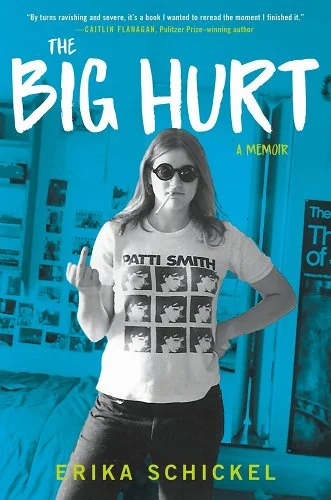
There are many showbiz stories about actors who could have played James Bond onscreen. With Daniel Craig stepping down from the role, the rumour mill has started again. One ‘he could have been Bond’ story that has always intrigued me more than the rest is that of Finlay Light. Light’s name has popped up now and again in Bond histories and chat forums. He was an Australian model who was in contention to play the role after Roger Moore stepped down in the 1980s, but not much more was publicly known about the story, including how close he came to the part. I wrote a piece a few years ago, investigating the Finlay Light rumours and appealing for more information.
Sure enough, a very close friend of Finlay’s reached out and said he would be prepared to talk to me. I had a wonderful conversation with Finlay. He’s funny, charming and intelligent, but with just the right dash of Australian abrasiveness to make for a potent Bondian mix. The story of how he was cast as James Bond, before ultimately losing the role is told by Finlay below. I came away from the interview surprised by how close he came to the part–actually, the part was officially his for awhile– and convinced he would have been a great James Bond.
Interviewer: Do you want to start by telling me about your career in the modelling industry or the acting industry, which came first?
Light: The modelling industry first. I was probably the top model in Australia, I’m not saying that to be egotistical. After Roger Moore, the Broccoli family had decided, for whatever reason, they had become (the films) mundane and they were unhappy. I thought Roger Moore, particularly when he was in The Saint, I use to think he was amazing, but the scripts became sort of comical and he didn’t fit the bill. So, there was a worldwide search for a replacement. Barbara Broccoli, who is now the producer of the Bond films, she came to Australia. It wasn’t so much a screentest, it was more like sitting in a video room and talking to the camera. Her asking questions and me responding, but not any form of performance. Anyway, she took that video back to Los Angeles and John Glen, who was then the director, he flew out to Australia, saw me, and interviewed me and we spent a couple of hours together. The Broccoli family and him decided to bring me to Los Angeles for a few months and sign a contract which was the size of a Tolstoy novel. I was doing stunt training, voice coaching and dot dot dot dot dot dot dot. Anyway, they were absolutely firm that they wanted me to be in the film. It was announced on, what is that stupid show in America, LA Tonight or something (The Tonight Show). So, I actually had the role and now I had helicopters landing in my back padding and photographers up trees. But the funniest thing is that United Artists, who are the distributors of the Bond films, had just been purchased by some multi multi-billionaire real estate magnate (Philip Anschutz) who owned the LA Lakers and the ice hockey team in Los Angeles and… I did a screentest with a full soundstage, I think it was 500,000 US for the cost of it, and they loved it, the Broccoli family loved it. I was fighting and making love and all that bullshit. But this fella who bought United Artists said ‘Look, this guy can act, he can fight but I don’t want to go with an unknown.’ This company being the distributor of the Bond films, they (the Broccolis’) had to just say ‘alright’ and that’s when Pierce Brosnan got the role.
Interviewer: And then he lost the role himself, the first time around, to Timothy Dalton.
Light: Yes, exactly. Just the politics involved, I realised afterwards the effect. It was traumatic, not that I was being avaricious in wanting it. When I realised the structure of the business world within the film industry… well, fuck. Everyone has to start somewhere. Sean Connery was a bloody coal miner for God’s sake. Barbara Broccoli, she lay across my bed and said ‘the thing that you’ve got is exactly the same enigmatic charisma as Sean Connery. We’ve never seen that with anyone else we’ve tried to cast in the role.’ She was being candid, and of course it was very flattering but, at the end of the day, it went down to a business decision.
Interviewer: What were your feelings during the whole event? You said that it was traumatic looking back. Were you excited? Did you think I’m going to be a huge movie star?
Light: Strangely enough, being in the public eye most of my life, I’m a shy person. I was absolutely excited because if you are working with a director and you’ve got a reasonable script, you can do anything. If you’ve got a good director, it frees you and you can just become the character that you’re actually pursuing. I thought John Glen was a really terrific guy, and empathetic and good at what he did.
Interviewer: So, you started as a model first. But looking at IMDB, which I know isn’t always that reliable, you had a role in a show called Case for the Defence.
Light: That was rubbish TV. It was supposed to be a TV drama, but it was more of a soap opera. Yeah, I had done theatre. I worked at the Sydney Opera House doing A Streetcar Named Desire with Hugh Keays-Byrne and Jacki Weaver. But the director used to say to me, ‘You’ve got so much talent. Why are you so awkward about it?’ and I went ‘I’m just not good with attention’. That was confirmed utterly when it was announced I had the role of Bond, and suddenly there were TV crews knocking at my door. I was living in the country in a house that I built myself, and I felt ‘Oh my God, if this is what it’s going to be like’. A mate of mine, Jackson Browne the singer, he’s one of the very few people I know who’s had incredible stardom, but he handles it with incredible grace when people are coming up to him and talking to him. I find it stultifying.
Interviewer: Did you feel like it was affecting your family? Were you married at the time?
Light: Yes I was married, and while I was in Los Angeles, I ended up having an affair with a girl who worked in a bar. Then I realised, later down the track, that I was being followed everywhere by photographers and private detectives to see what I was doing. I thought, wow, I was so naïve really. I saw these people ran a franchise that was so big they needed to know if you’ll behave yourself.
Interviewer: I believe similar things happened to George Lazenby.
Light: George Lazenby, God love him, but he was sleeping with every woman in the cast. I thought he was pretty good in the part. The incumbent (Daniel Craig) was the most reflective of Sean Connery there has ever been. On top of that, he’s a very fine actor. I’d seen him in other films before he got the Bond role. He’s the most reflective of Sean Connery, an updated version.
Interviewer: In the eighties, I don’t know if you were aware of this when you were being courted and signed, but a few other Australian and New Zealander actors were also in the mix, like Sam Neill and Mel Gibson. I don’t know if they really wanted an Australian at that time.
Light: I don’t think it was that so much. There was another guy I was in Los Angeles with, Andrew Clarke, an Australian actor, and he basically said, ‘I don’t want it’. The original fee was about $250,000. My agent said, there’s a whole lot of other things you’ll be paid for. You’ll travel all around the world, and if the film is a success, you can demand what you want. I wish I still had the contract. In various house moves it got lost somewhere, but it really was the size of a Tolstoy novel. But anyway look, it is what it is, and there’s no point crying about it. Basically, I’m quite a shy person, and I don’t think I could have dealt with the notoriety and the fame.
Interviewer: Was it that that made you leave the business?
Light: I was still going to Sydney and doing TV commercials and stuff for my agent, but basically, I thought ‘I’ll go now’. Even when I was modelling, I’d be going on a bloody bus and people would recognise me, and I was walking through a department store, going up the escalator and people would come up to me. You either crave it or you don’t, and I’ve never craved fame, but it’s followed me around a lot in my life.
Interviewer: You’re a professional builder now, or you have been for most of your life?
Light: Yeah, I’ve stopped building now, but I still make furniture and that gives me great joy.
Interviewer: Did you ever hear from anyone in the Bond world again?
Light: I mentioned Barbara Broccoli before. I could tell that she wanted me to make love to her, and I didn’t think it would be wise. You’re shitting in your own nest if you do that sort of thing. Look mate, it’s a long time ago and I’m fine with it. It’s so funny, I use to play cricket for a very celebrated hotel in Byron Bay that was owned by John Cornell, the guy who produced the Crocodile Dundee films. He was a friend of mine. I used to play cricket for the team of that hotel, and he got a T-shirt specifically made up for me that made me laugh hysterically, saying 006 and a half on the back of my shirt! I thought that was unique.


 The Venetian Vase