Ellroy Reads – The Other Girl by Theodora Keogh
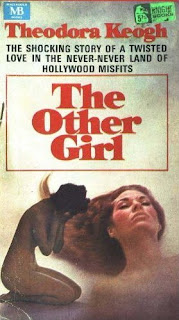
I have a very special episode of Ellroy Reads for you today. The Other Girl by Theodora Keogh was the first novel about the Black Dahlia case. A copy of the book was also the first gift I ever gave to James Ellroy. Ellroy had never heard of the novel when I mentioned it to him, so it felt good to plug this gap in his Black Dahlia knowledge.
Enjoy the episode and do remember to subscribe, share, like and comment. It helps to support the show and I love interacting with my audience.
Ellroy Reads – John le Carré: The Biography by Adam Sisman
For the latest episode of Ellroy Reads, I look at Adam Sisman’s excellent biography of John le Carré. I also discuss two books which were published in the fallout to the bio – Suleika Dawson’s The Secret Heart: John Le Carré: An Intimate Memoir and Sisman’s follow-up The Secret Life of John le Carré.
Finally, I reveal how all of these books connect to my Ellroy biography Love Me Fierce in Danger: The Life of James Ellroy.
Ellroy Reads – The Black Echo by Michael Connelly
For the latest episode of Ellroy Reads, I look at the birth of a publishing sensation by examining the success behind Michael Connelly’s Harry Bosch series. The Bosch series, and Connelly’s career, share many parallels with the life and work of James Ellroy.
It’s a cracking episode, dear viewer. Subscribe for more episodes delivered directly to your inbox.
The 2017 London Bridge Attack – A Testimony
In the post-9/11 world, it is possible that everyone will experience terrorism at some point in their lives. Perhaps they will witness, or know someone who witnessed a terrorist attack, or if they are more fortunate they will simply read about the attacks in the news, with depressing regularity, and be asked by their employer to complete the Prevent training. Some years ago, I witnessed the aftermath of a terrorist attack. It is something I have only shared with a few friends and family. This is the first time I have put what happened that night into writing.
On June 3, 2017, my wife Di and I were in London walking back from the Theatre Royal Drury Lane after watching an excellent performance of 42nd Street. It was a knockout production and we were feeling invigorated, both from the glorious energy of the show and the fact that we were flying out to Barbados the next morning at 6 am to celebrate our tenth wedding anniversary. Then something strange happened. We were walking past a pub where a lone drinker was sitting in the beer garden scrolling through his phone. He told us to be careful going down the street where we were headed as ‘there’s been an attack’. He seemed perfectly sober, and we took heed of his warning although we had no choice but to continue on the path we were on as it led directly back to the hotel, and we were flying out in about six hours or so. It wasn’t long before we were walking towards a crowd of people in tears, covered in blood. They were heading in the opposite direction to us, and the further we travelled the more frantic their warnings became that we shouldn’t go forward as there had been mass stabbings and a vehicle-ramming attack with a van. It was obviously serious, but Di and I were now so close to our hotel that we felt we had no alternative but to keep going until we got there, even though we could be walking straight into a massacre. By the time we made it to the hotel entrance our blood was pumping as chaos reigned on the streets.
“Steve. The key, the key” Di screamed.
The hotel lobby had an electronic lock and I fumbled desperately in my wallet for the key card while thinking any second a madman with a knife was going to attack me. We made it inside safely. The atmosphere in the hotel bar was electric. The hotel took in people off the streets who couldn’t get home as the police had sealed off the roads. Guests of every race and religion were talking excitedly among themselves about what happened while BBC News 24 played out the facts onscreen.
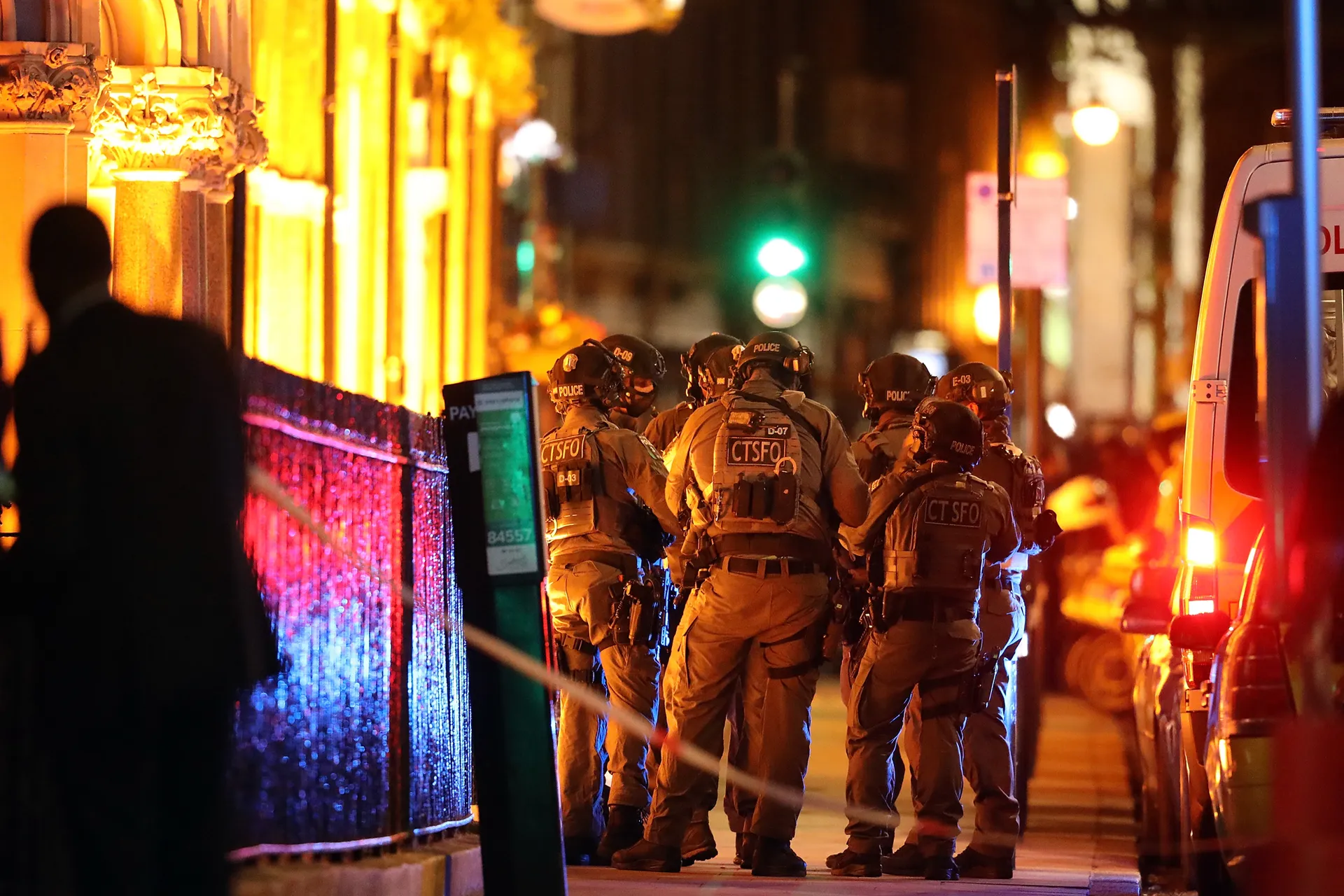
The London Bridge attacks was one of five major terrorist attacks in the UK in 2017. Khuram Shazad Butt, Rachid Redouane and Youssef Zaghba ploughed a van into pedestrians on London Bridge at around 10:00 pm, killing two people. The three perpetrators abandoned the vehicle and then ran down Borough Market, armed with knives and wearing fake explosive vests. They started stabbing people outside the Boro Bistro pub. Ignacio Echeverría, a Spanish lawyer who had been practising his hobby of skateboarding in the vicinity, hit one of the terrorists with his skateboard, buying time for other members of the public to escape to safety. Echeverría and four other people were stabbed to death. There were many have-a-go-heroes that night who thwarted the attackers by throwing bottles and chairs at them, even though, for all they knew, the explosive vests the terrorists were wearing might have been genuine and could have detonated at any second. Most of the people who Di and I saw on the street and who warned us back had been fleeing from the attack on Borough Market. The attack came to an end when Butt, Redouane and Zaghba were shot dead by armed police.
The following morning Di and I were in a sober mood as we left the hotel to catch our flight to Barbados. We had a good holiday, and life returned to normal upon our return. But on June 3rd, 2017, our life changed due to the chaos we had witnessed. We had experienced a terrorist attack up close and it is not something we will ever forget. It was a fairly stark and brutal reminder of how your life can change in an instant in the post-9/11 world.
Ellroy Reads – 100 American Crime Writers
For the latest episode of Ellroy Reads, I discuss one of the first books I ever worked on – 100 American Crime Writers. Editing this anthology was a challenging and rewarding experience which ultimately led to an excellent book.
I also begin the episode by revealing one of James Ellroy’s foolproof publicity strategies which I have always tried to emulate, as should every aspiring author.
Enjoy the episode! Don’t forget to like, subscribe and share the video. Thanks.
Ellroy Reads – The Laughing Policeman
For the latest episode of Ellroy Reads, I discuss Maj Sjöwall and Per Wahlöö’s classic novel The Laughing Policeman. The fourth novel in the Martin Beck series, The Laughing Policeman is one of the seminal works in Scandi-Noir. I discuss its impact and share some humorous observations, as always, about James Ellroy.
I hope you enjoy the episode. If you do, please remember to like the video, subscribe to the show and share on social media. Thanks for all your support.
The Day the School Bus Caught Fire
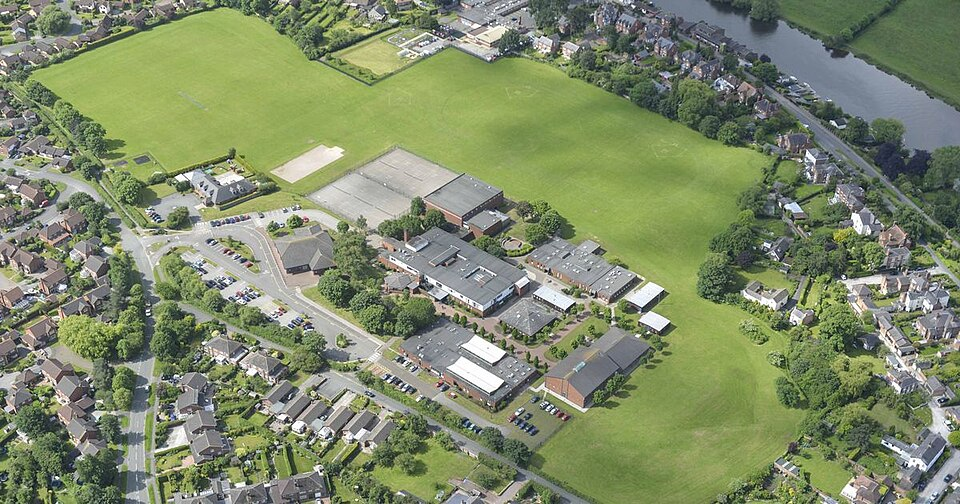
I grew up in Blacon. It’s a deprived part of Chester which I have described in a previous post. My elder siblings attended Blacon High School. Dissatisfied with the school’s performance, my parents signed me up to attend The Bishops’ Blue Coat Church of England High School in Great Boughton.
A downside to attending Bishop’s High was a long bus journey from Blacon to Great Boughton and back again every day. I had few friends at first. I usually sat near the front of the bus but I wanted to be with the cool gang who sat at the back smoking, completely uncaring of the rules at the time which stated you could only smoke upstairs on buses. These cool smokers consisted of Jed Habersham, who was missing half a finger and reminded me of the villain in Hitchcock’s version of The Thirty-Nine Steps, Siddy Bartlett and David Babcock. They sat. They smoked. They swapped tales and told jokes to the prettiest girls who got a pass to sit at the back with them.
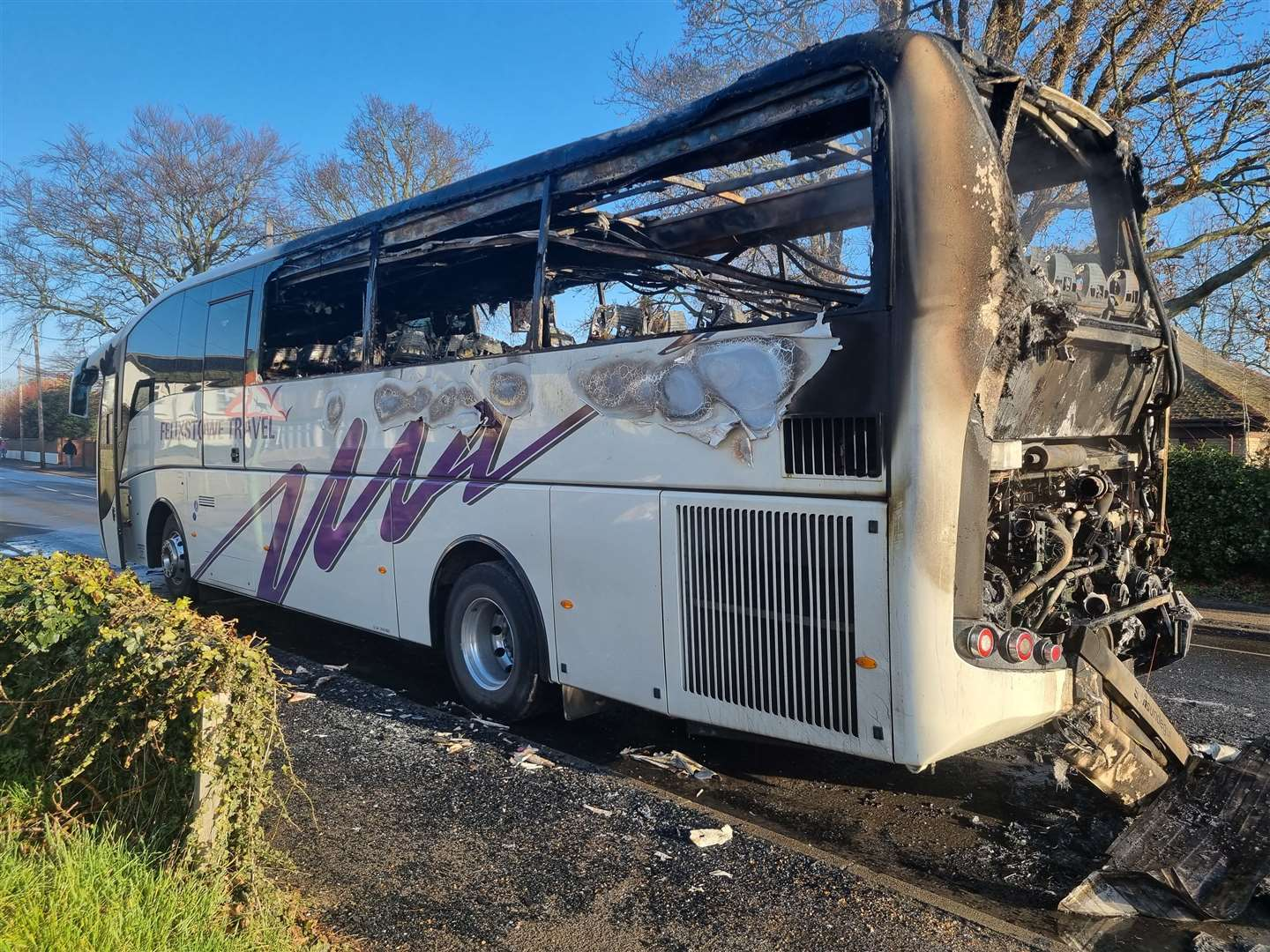
One day, on the journey back from school, Babcock had stolen some paint cans which he had dragged onto the bus in a dirty white sheet. I was sat near the front of the bus. I looked back to see Babcock playing around with a lighter near the stolen items. I looked away for a second and that’s when I heard this powerful whoosh and looked back to the rear of the bus to find it ablaze. The entire area the cool gang called their own had turned into a bonfire. The driver pulled the bus onto the kerb in seconds and I don’t remember running for the exit so much as being carried with the crowd. Everybody got off the bus as quickly as possible, and then bizarrely, Siddy Bartlett ran back on, dashed around the flames to retrieve his bag, ran round the flames again and exited the bus. It was a feat of daring that only increased my estimation of him. The driver put out the fire with an extinguisher and drove off, not bothering to check on the welfare of the students who fled the bus in a panic. The only passenger remaining on the bus was the driver’s son who attended the school, and would stand at the front near the driver’s cabin. No police officer or fireman would have advised the bus driver to keep the vehicle on the road in those circumstances. The rear of the bus was still billowing smoke, and God only knows if the engine or petrol tank were in a secure condition. The rest of us made the long walk home, tingling with excitement by the sudden act of violence which had broken the monotony of a long school day. By some miracle, no one had been seriously hurt.
The following morning every child who had been on that bus was taken to the assembly hall and told to write out a statement about what they had witnessed. We were separated and sat in silence so we couldn’t influence each other’s statements. I wrote exactly what I saw – David Babcock had been playing with a lighter near the paint cans and moments later they were on fire. I delivered the statement to the headmaster who seemed unimpressed.
“So you didn’t actually see him light the cans?” he asked.
I had looked away seconds before Babcock brought the lighter to the cans, so I had to admit, following the headmaster’s train of logic, that I hadn’t.
Some of the statements were pure fiction. My friend Neil wrote that Jed Habersham set the cans on fire. Habersham was on a family holiday in Greece at the time of the fire. I never let Neil live that down. But it wasn’t long before Neil and I had graduated to the cool, back of the bus group. Neil got there first and I followed. The fire, it seems, had not lessened our ambition to join the gang.
I was with Neil and Siddy on the day we discovered a dead body in Blacon.
Ellroy Reads – Guru Special
This week’s episode of Ellroy Reads is slightly different than usual as I am looking at Guru writing that has inspired James Ellroy. Sinister quacks and spiritual grifters have often been portrayed as villains in crime fiction, and I identify a few examples in Ellroy’s novels. However, I also discuss a few episodes from Ellroy’s private life where he fell under the spell of such people. Some of the book’s I mention are The No-Spin Zone by Bill O’Reilly and Prayer by Timothy Keller.
It’s a cracking episode made just for you, dear reader. Do remember to hit those subscribe, like and share buttons to spread the word.
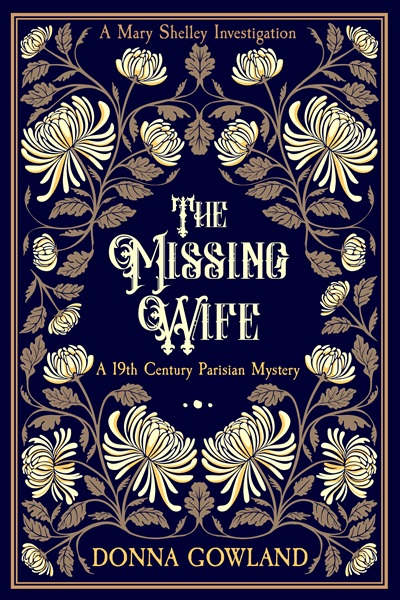
The Missing Wife is a new historical novel by Donna Gowland published by Sapere Books. The year is 1814 and 16-year-old Mary Godwin feels trapped in her prominent but stifling family. So when the Romantic poet Percy Shelley comes blazing into her life, threatening to commit suicide unless Mary runs away with him, she jumps at the chance of love and adventure. However, the love begins to sour when Mary and Percy find themselves in Paris, still a hotbed of revolutionary intrigue, low on cash and with ambiguous feelings for each other.
The Missing Wife works on two levels. Firstly, it is a brilliant depiction of young and naive love. This romantic portrayal leads the reader into the second storyline – the mystery of the missing wife, an investigation Mary and Percy pick up in Paris for some extra cash, when their passion for each other is already dimming. Donna Gowland weaves both of these storylines together brilliantly. You get a tangible sense of the literary life, complicated by young love, and the investigation goes from being a sidenote to a gripping mystery which places our young couple in mortal peril. But make no mistake, Mary is the dominant one in this pair, and as this is the first novel in a new series of ‘Mary Shelley Investigations’ then I cannot wait for her to return.
Donna Gowland agreed to answer some questions about The Missing Wife for the Venetian Vase.
Interviewer: Why did you choose Mary Godwin as your literary detective?
Donna Gowland: I have always been fascinated by the story of Mary Wollstonecraft Godwin Shelley (that’s a lot of surnames!) and felt that Frankenstein has overshadowed her life story. When you look at her story, it’s quite the tale – the early death of her mother Mary Wollstonecraft, her uneasy relationship with her stepmother and stepsisters, school in Dundee, meeting and romancing Percy Shelley and finally eloping with him to Paris when she was just sixteen years old. That is quite the starting point for a story.
Mary’s resolve, resilience and spirit has all too often been overlooked, or she has been seen as an adjunct of Percy Shelley, but she is a fascinating, multi-faceted character with great intelligence and pluck; I thought these characteristics would make her an excellent detective!
What I like about her as a detective is that through the course of the series she learns. She is not the complete article at the start of the story, the character goes on the journey with the readers; Mary is much wiser, maturer and sure of her skills by book six!
Interviewer: How would you describe your research process? Did you get to follow in Mary and Percy Shelley’s footsteps?
Donna Gowland: You would think I would have followed them to Paris, but I didn’t – I followed them to Geneva! (The location for book four), maybe I will go to Paris this year.
I knew something of Mary’s life story and the background to her meeting and falling in love with Percy Shelley, but what I love about writing historical fiction is the ability to use existing information as a framework and to populate the unspoken spaces with the key points of the narrative. That’s what I always aim to do.
I started out by building a timeline of 1814 from when they met to when they eloped and when they came back to London and built the fictional world around it. I read everything I could by and about Mary Shelley, her fiction, her letters and journals (and those of Percy Shelley and Claire Clairmont) and tried to picture the key points along the way and used that to research some of the details that make you feel like you are on the trip with them – Mary refusing to swim naked in a lake is a true story, so is their purchase of a donkey (though I don’t think it was called Napoleon!). For me, it is important to fuse the historical and the fictional to create an immersive, engaging experience for the reader – I have lost count of the readers who have told me the donkey is their favourite character!
The next step was building the characters and the nuances of the murder-mystery plot, ensuring there was cohesion in the plot and characters and a satisfying resolution. I really enjoy the research process – as much as (if not more than) the writing process.
Interviewer: Was there anything about the characters that surprised you as were writing the book?
Donna Gowland: The ebbs and flows of the relationships between the characters surprised me, how naturally it had the sense of characters trying to ‘fit together’ when they were thrown into a completely alien environment. Jane (now known as Claire Clairmont) and Mary’s relationship dynamic shifted substantially once Mary being romantically attached to Percy Shelley and it was interesting to write the way they all navigated the relationships.
Percy Shelly disappointed me a little bit too. I’ve always seen him as something of a romantic hero, but the more research I did into him as a character the more his human foibles were exposed, and they translated onto the page as someone with a bit of a disconnect between the ‘myth’ and ‘reality’ of the man. The depth of feeling between him and Mary was undeniable though, it’s a shame their love story had such a tragic end after so many trials, tribulations and turns.
Interviewer: Could you name some of the authors who have inspired your writing?
Donna Gowland: Agatha Christie is the first one who springs to mind, the absolute queen of the genre: Patricia Highsmith, Arthur Conan Doyle, James Ellroy – so many! I’ve got quite a vast and eclectic taste, so I take inspiration from anywhere and everywhere. There are lots of authors whose writing makes me put down the book and wish that I had written that! Jenn Ashworth’s short story ‘The Women’s Union of Relief’ is one of the best short stories I have ever read in my life, it is right up there with Shirley Jackson’s ‘The Lottery.’ Jane Burn (poet) and Amanda Huggins (particularly her amazing short stories about Japan) weave words like nobody else. I really enjoyed Laura Martin’s ‘Jane Austen Investigations’ and Alexandra Benedict’s ‘Murder on The Christmas Express.’
I really enjoy well-carved writing; where every word does something, every word counts! My first English teacher told me my writing was verbose, I crave clean, crisp sentences.
Interviewer: Could you give a little hint as to Mary’s next adventure.
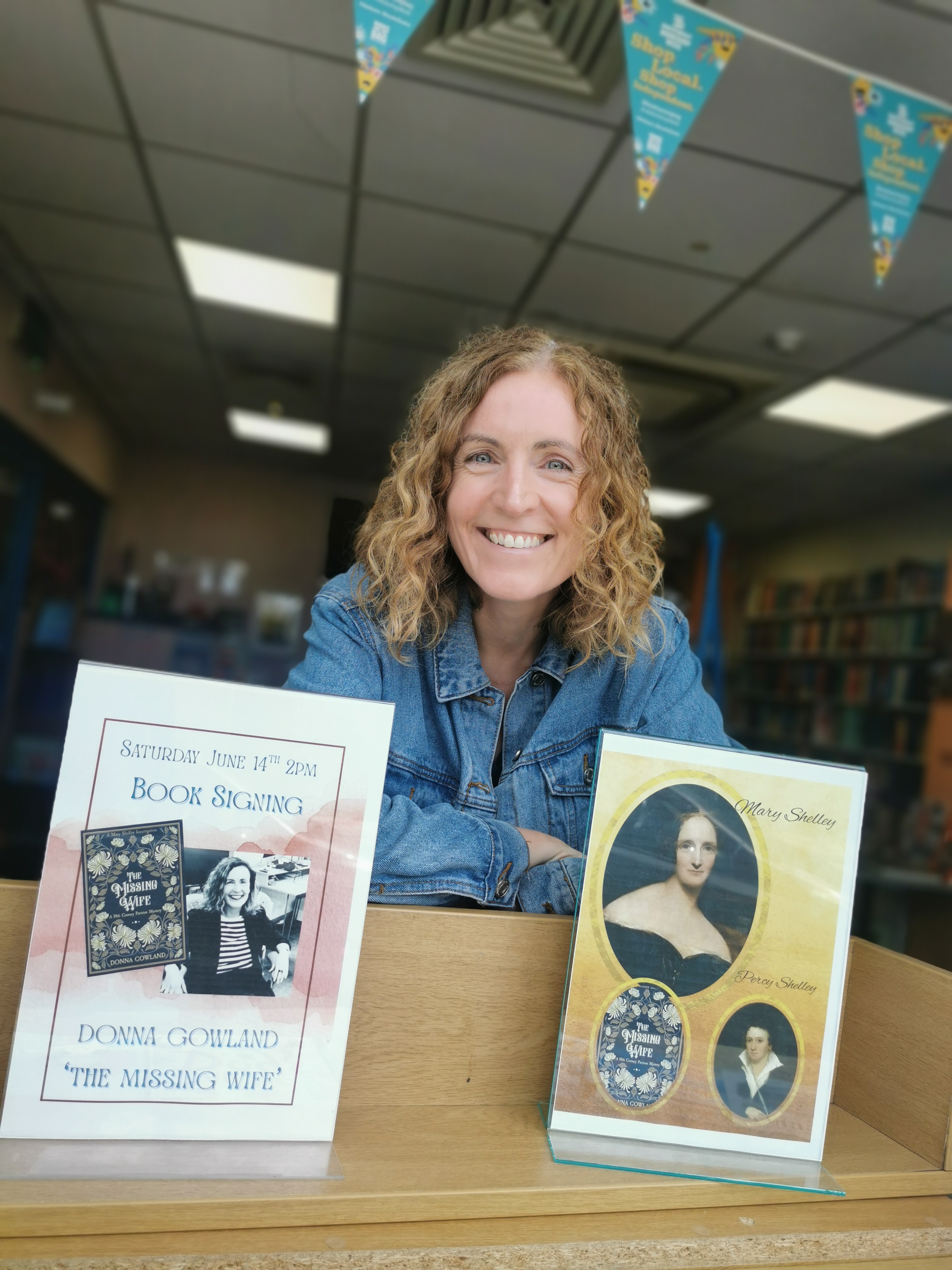
Donna Gowland: In ‘The Lost Girls’ (to be released on August 15th, 2025) Mary, Percy and Claire have returned to London triumphant but penniless and the months of penury are taking their toll on relationships. Claire witnesses a murder, but when they go back to the scene of the crime the body has disappeared! Mary’s friend and former housekeeper calls upon her to investigate a run-away servant which leads them on to an adventure involving the criminal underworld of London, science, and galvanism!
Ellroy Reads – Black and Blue by Ian Rankin
I have a very special episode of Ellroy Reads for you today. I take a look at Ian Rankin’s breakout novel Black and Blue, and describe how it was inspired by James Ellroy’s appearance as the Guest of Honour at Bouchercon in Nottingham, 1995. I also talk about how James Ellroy gave Rankin his label as the ‘King of Tartan Noir’.


 The Venetian Vase