Highbrow Lowbrow – Christopher Walken Special
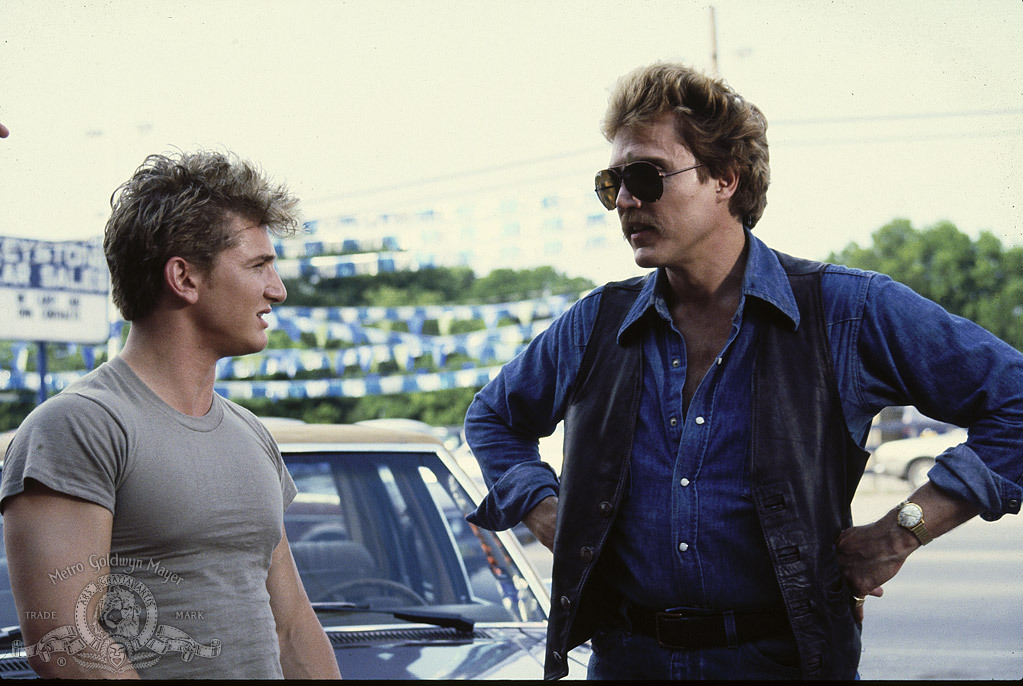
The latest episode of Highbrow Lowbrow is a Christopher Walken special. My co-host Dan has he highbrow pick this time with the classic crime drama At Close Range, based on the Johnston gang’s reign of terror in Pennsylvania.
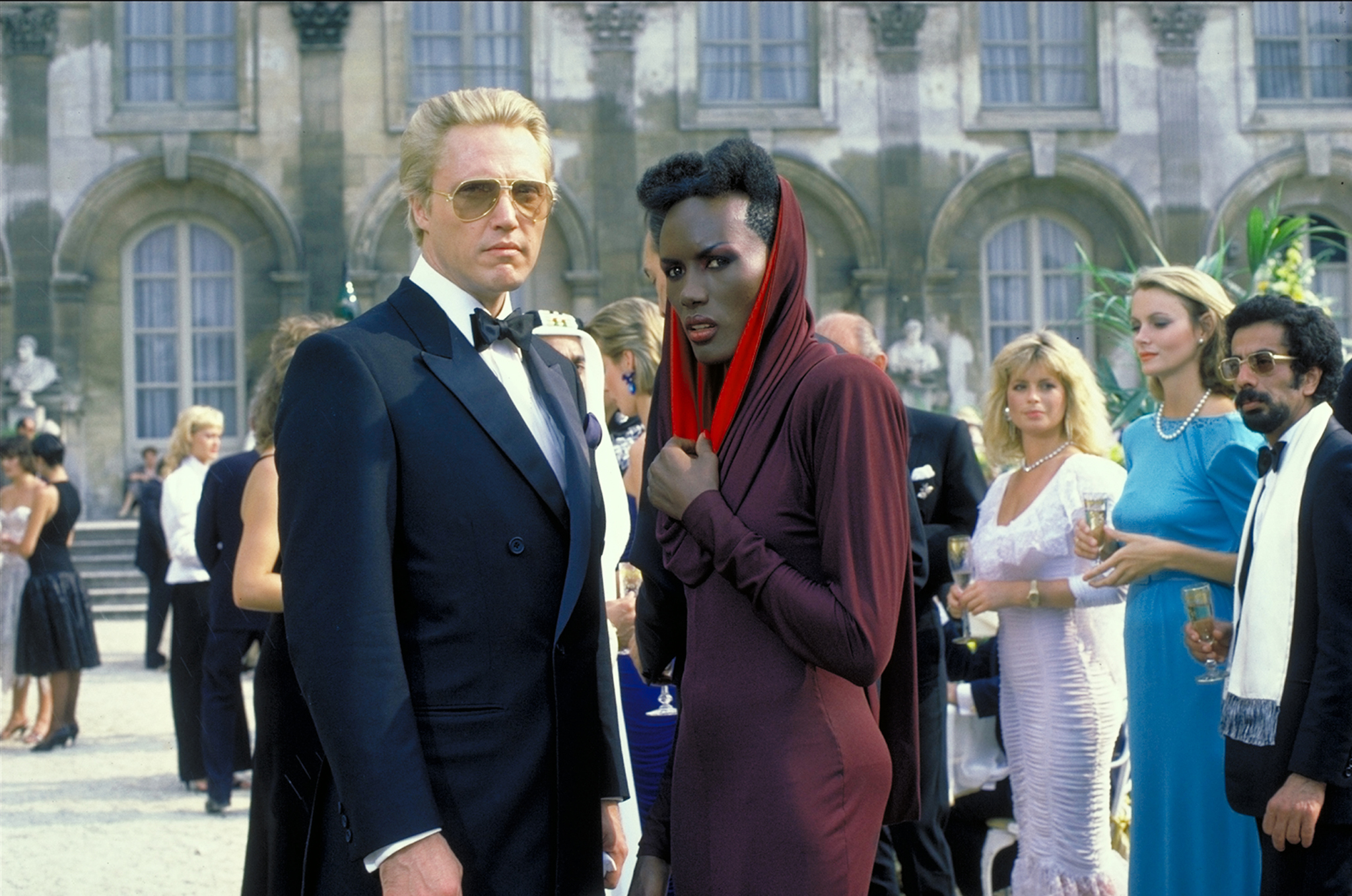
My lowbrow pick is the James Bond film A View to a Kill. Once critically derided, Roger Moore’s swansong as Bond, featuring an unforgettable performance by Walken as the villainous Max Zorin, has become a fan favourite.
You can listen to the episode, and all past episodes here.
In the latest episode of ELLROY READS, I look at one of the most literary influences on James Ellroy’s life and career – The Adventures of Augie March by Saul Bellow.
I discuss how Bellow’s classic novel made the young, and as yet unpublished, Ellroy want to become a great literary figure, rather than just a crime writer.
I hope you enjoy the episode and please like, comment, subscribe, share etc.
Zero Ri$k by Simon Hayes – Review
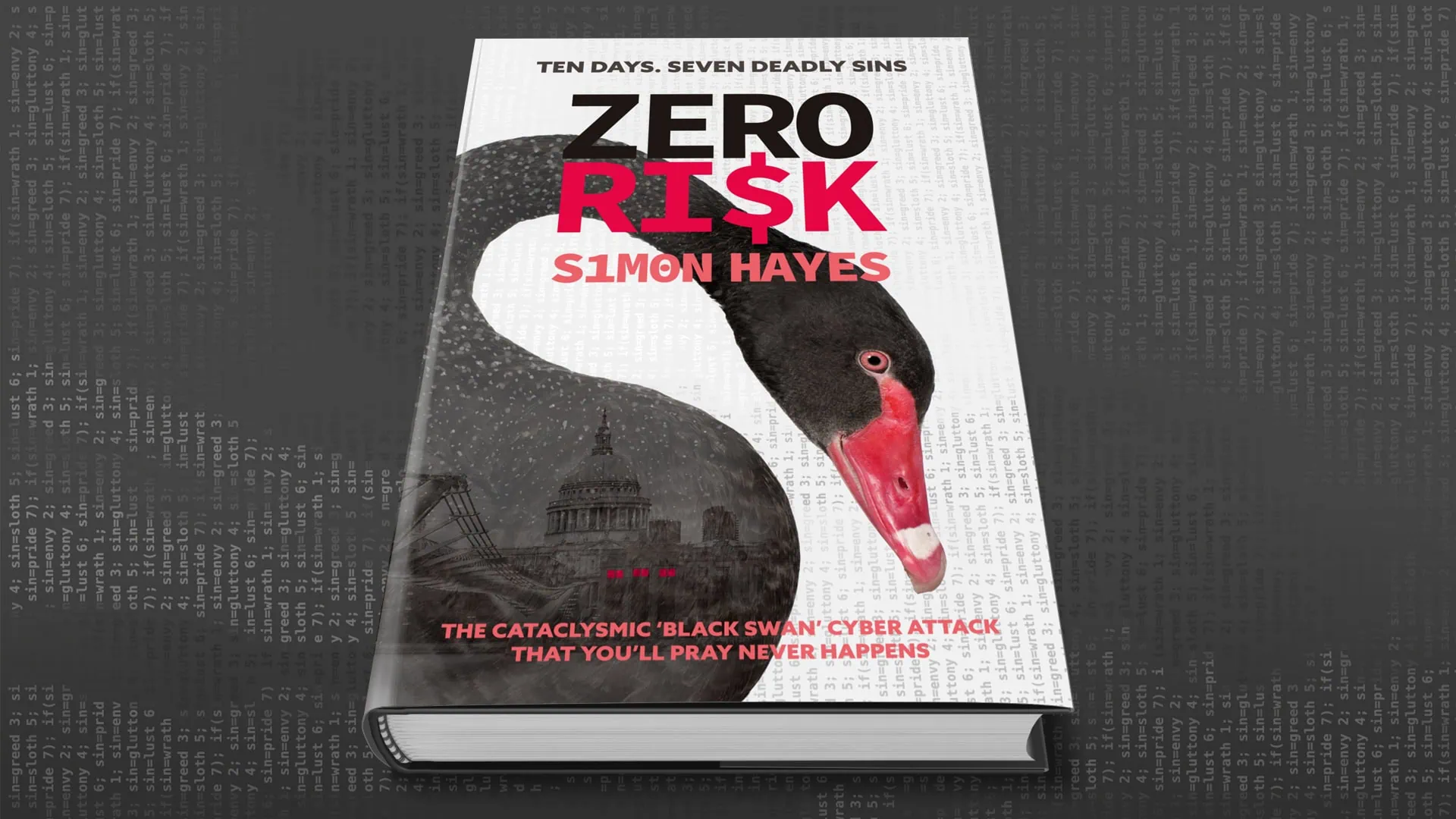
Zero Ri$k arrived in the post with a bunch of books I was asked to review, and my first instinct was to decline. It’s a financial thriller and appeared to be self-published, in a roundabout way through a company owned by the author, and this usually disqualifies a book from being put on my already over-burdened to be read pile.
However, something changed my mind. The reader reviews have been excellent, Hayes has a background in the murky world of high finance and clearly knows his stuff, and there’s a book launch at a swanky venue in the City of London next week. In short, there was enough buzz to make me read it and I’m glad I did.
The story begins on the day after the Brexit referendum in 2016. A group of financiers are still reeling from the double-shock of Britain voting to leave the European Union and the Prime Minister David Cameron (you may be forgiven for forgetting the name, there have been five PMs since him) resigning in the wake of the result. However, the real threat to the global economy comes not from politics, these City traders opine, but from the newly-emerging and increasingly common cyber-attacks. As an academic I can attest to this, cyber-attacks have become a frequent menace to UK universities, as they have to all walks of life in the digital world. The story then jumps forward to the near-future – Christmas, 2024. A global financial meltdown begins when some unknown person or organisation begins adding a zero to the balance of every bank account. Suddenly the rich aren’t rich and the poor ain’t poor, as all the value in stocks, shares and property disappears in the blink of an eye.
Simon Hayes makes good use of this ingenious premise as Zero Ri$k is a gripping financial thriller which is well worth investing your time in.
Pentimento Mori by Valeria Corciolani – Review
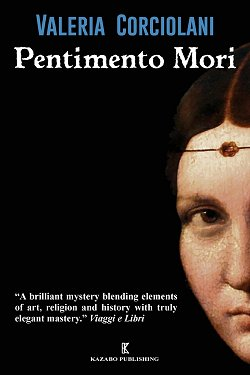
Valeria Corciolani is an illustrator, teacher and one of the most prominent mystery writers in Italy today. Despite the fact that her novels are popular, well-reviewed and have been adapted into films in her native country only her latest novel, Pentimento Mori, has been translated and published in English.
In addition to this startling first, Pentimento Mori is also the first in a new series of mystery novels to feature renowned art historian Dr Edna Silvera. Silvera inadvertantly finds herself playing detective when she discovers a potentially priceless medieval painting in a junk shop whose proprietor has been recently murdered. Becoming a thorn in the side of a public prosecutor and a target of some very dangerous people, Silvera must solve an art mystery to truly understand the price of murder.
I’m delighted that Kazabo publishing have finally translated Valeria Corciolani’s assured, playful and absorbing writing into English. She brings her intricate knowledge and first-class scholarship to produce an art mystery which is as delightfully engaging as it is deliciously fiendish, and I hope that many more Dr Edna Silvera mysteries will be published in the future.
Highbrow Lowbrow: Hammer Horror Special
After a short break, during which time I have been filming the ELLROY READS series on YouTube, Dan Slattery and I have brought back our HIGHBROW LOWBROW podcast. If you’re unfamiliar with the podcast, I choose a ‘highbrow’ film and discuss its merits, and then Dan picks a ‘lowbrow’ film broadly on the same topic and argues it’s just as good. Yes, we know these are subjective terms but that’s all part of the fun!
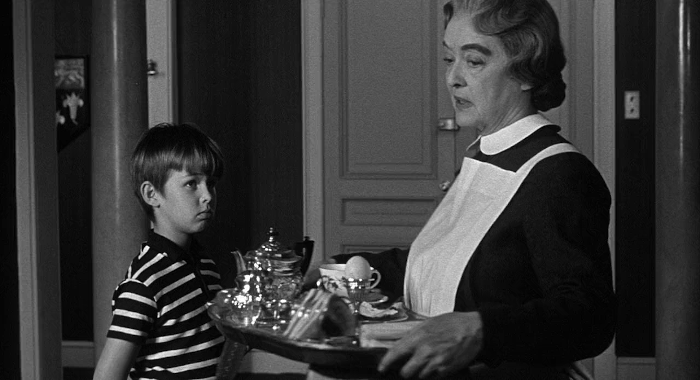
If you are already familiar with the podcast, then I hope you enjoy it’s return. Today’s episode is a Hammer Horror Special. My pick is the Bette Davis classic The Nanny, and Dan’s argues that The Woman in Black: Angel of Death is an underrated sequel.
You can find all listening options for the series here.

ELLROY READS King’s Ransom
In the latest episode of ELLROY READS I look at one of the all-time great crime novel series – the 87th Precinct by Ed McBain. I discuss some of the many identities of McBain, focusing specifically on his novel King’s Ransom and its superlative film adaptation High and Low by Akira Kurosawa. Finally, I discuss the considerable impact McBain had on James Ellroy’s work.
Hope you enjoy watching and please comment, subscribe, share, like etc.
ELLROY READS – The Postman Always Rings Twice
In the latest episode of ELLROY READS, I look at The Postman Always Rings Twice by James M. Cain. James Ellroy has named The Postman Always Rings Twice as the great Depression-era novel that was the genesis of the Hardboiled school of writing and film noir. The influence of the novel is huge.
Hope you enjoy watching and please comment, subscribe, share, like etc.
ELLROY READS – To Die in Beverly Hills
In the latest episode of ELLROY READS, I look at To Die in Beverly Hills by Gerald Petievich. Petievich’s novels, particularly the quartet of novels featuring Treasury agent Charles Carr, are greatly admired by James Ellroy, and I talk about the connections between Ellroy and Petievich and their friendship.
Hope you enjoy watching and please comment, subscribe, share, like etc.
ELLROY READS – Elia Kazan: A Life
In the latest episode of ELLROY READS, I look at one of the all-time great Hollywood memoirs – Elia Kazan: A Life.
Ellroy has read Elia Kazan’s autobiography several times, which, given its 800+ pages, gives you some indication as to how he has looked to the controversial and brilliant Kazan for inspiration.
Hope you enjoy the video and please subscribe, share, hit the like button and share your thoughts with me on the World Wide Web, or by carrier pigeon!
Bill Stoner and the Cotton Club Case
If I could name one True Crime story that deserves more attention it would be the murder of Roy Radin – the Cotton Club case. I say that because the odds are that you probably haven’t heard of it, although kudos to those of you who have. It’s relative anonymity is unusual as it contains more grisly twists and turns than the OJ Simpson trial and, quite frankly, it should be equally ingrained in the public consciousness.
It’s a classic American story of Hollywood comebacks turning to scandal, dreams of movie stardom evaporating as drug deals go sour, and finally, murder. Perhaps most notably, the case was solved by the man who would later help James Ellroy reinvestigate his mother’s murder. That man was Los Angeles Sheriff’s Department Detective Sergeant Bill Stoner.
The Impresario – Roy Radin
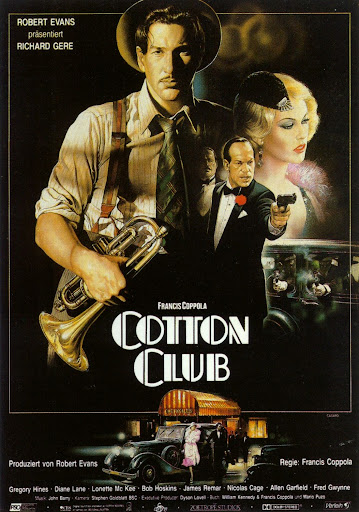
Roy Radin was a showbiz promoter who wanted to break into the movies. Robert Evans was a former big-shot producer (Love Story, The Godfather, Chinatown) whose career was on the slide. Karen ‘Lanie’ Jacobs was a cocaine dealer who introduced Evans to Radin, and thus set in motion the events that led to the production of the film The Cotton Club.
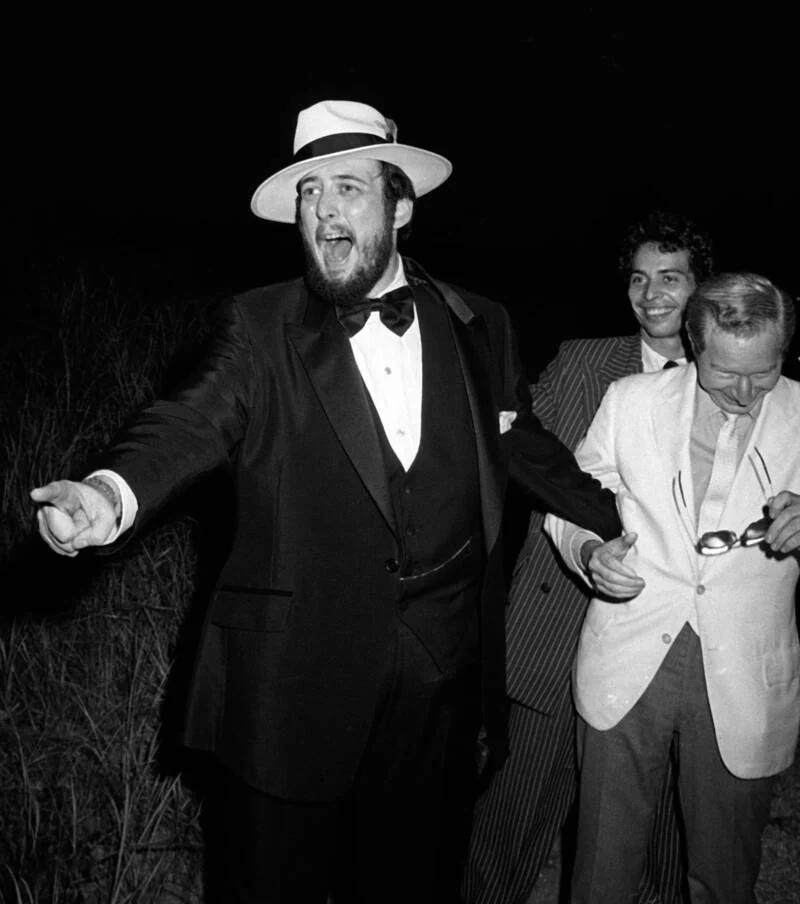
By his early thirties, Roy Radin had made millions by putting on vaudeville benefit gigs featuring Golden-Oldie acts. Despite the shows being poorly attended, Radin made large profits through creative financing. Charities never received their promised funds as Radin embezzled the profits, and ticket-buyers were ripped off in shabby venues with poor acoustics. Radin’s first brush with the law came when the actress Melonie Haller (Angie in Welcome Back, Kotter) accused Radin’s friends of beating and raping her at a party at his Long Island home – ‘Ocean Castle’. Haller had been invited to the party by the photographer Ron Sisman. She had gone with the intention of showing Radin her portfolio (she was a former Playboy model), and earlier in the evening had engaged in sex games in Radin’s bedroom dressed ‘in skimpy leather outfits and Nazi caps’. The sexual activity was filmed. Haller and her partner ‘began whipping each other. Both were wearing dog collars and chains’. Radin was not present when the alleged assault and rape took place. He was at a Southampton hospital after one of his guests attempted suicide by swallowing a bottle of sleeping pills. One of the attendees was convicted of assaulting Haller. Radin received a fine for a gun charge after police found the weapon while searching his home. Surmising that the scandal had almost blown his career, Radin decided to move to California and try his hand at movie production. Six months after the sordid events at Ocean Castle, the photographer Ron Sisman, who had introduced Haller to Radin, was shot dead in his Chelsea apartment in a murder which had all the hallmarks of a contract hit. The murder of Sisman would go unsolved. In Radin’s orbit, people acquired a lot of enemies. Today, Ocean Castle is listed for $75,000,000.
The Drug Dealer – Lanie Jacobs
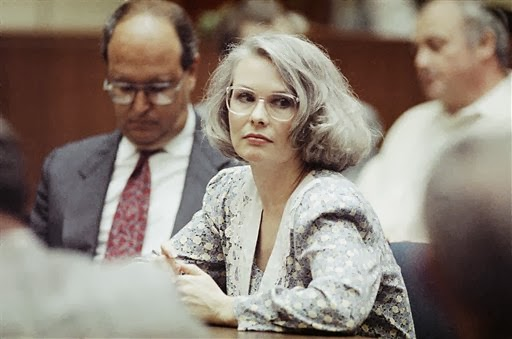
Lanie Jacobs got into narcotics trafficking by working as a criminal lawyer’s secretary in the Florida Panhandle. She had affairs with her employer’s dope-dealing clients, and learned the business from them. She was making big money in no time and blowing it on plastic surgery operations. By her mid-thirties, she had been married six times. She had one son, named Dax after her favourite character in a Harold Robbins novel. One of Jacob’s coke-snorting clients was Roy Radin. Jacobs took her dope business out west. She began a relationship with the film producer Robert Evans, and told him that she had money to burn in Hollywood. Evans wanted to make a film about the 1930s Harlem nightspot The Cotton Club. It would be a gangster epic with a Jazz-infused soundtrack to die for. Period films with star actors and acclaimed directors (Francis Ford Coppola) require big budgets. Jacobs told Evans that Radin could raise the financing. Using a banker friend as an intermediary, Radin persuaded the Governor of Puerto Rico, Carlos Romero Barcelo, to provide the bulk of the funds through government bonds. The deal was taking shape, but Jacobs smelled a rat when Evans and Radin set up a production company without her. Jacobs suspected that Radin wanted to cut her out of the profits. Radin tried to pay her off with a finders fee. Jacobs had made millions dealing dope. She wouldn’t be bought off with chump change. She demanded 5% of the film. Radin refused. Jacobs anger builds into rage when one of her own drug couriers, Tally Rogers, steals $250,000 and twelve kilos of coke from her. Rogers had become friendly with Radin shortly before the rip-off. Jacobs was convinced that Radin was in on the theft.
Radin had dealt with the Underworld before. When the comedian Joey Bishop threatened to pull out of one of Radin’s shows, only minutes before curtain call, Radin had Bishop’s manager beaten up as a warning. Bishop was ex-Rat Pack and had connections with the Philadelphia Mafia. The aftermath of the beating was resolved at a Mob sitdown in Manhattan, with Radin represented by New York gangsters and Bishop arriving with Philly hoodlums acting as his bodyguards. Radin had friends in ‘the Life’. He was confident that he could handle Jacobs. He badly miscalculated.
Roy Radin stepped out of his apartment in Beverly Hills on May 13, 1983, and disappeared. He was due to meet Jacobs for lunch to discuss their business dispute. One of the last people to see Radin alive was his friend, the actor Demond Wilson (Lamont Sanford in Sanford and Son), who watched as Radin got into a limousine to be driven off to his lunch date. Radin had asked Wilson to tail the limo as he was worried Jacobs was planning something. At first the LAPD didn’t take Radin’s disappearance seriously. They considered him an erratic but wealthy cokehead who would emerge from one of his boltholes eventually. Radin’s body was discovered five months later in a dry creek in Gorman, shot to death. A stick of dynamite had been lodged in his mouth to hinder identification. Lanie Jacobs married her seventh husband, Larry Greenberger, in September 1984. A fellow drug dealer, Greenberger was second in command to Carlos Lehder in the Medellin Cartel.
The Detective – Bill Stoner
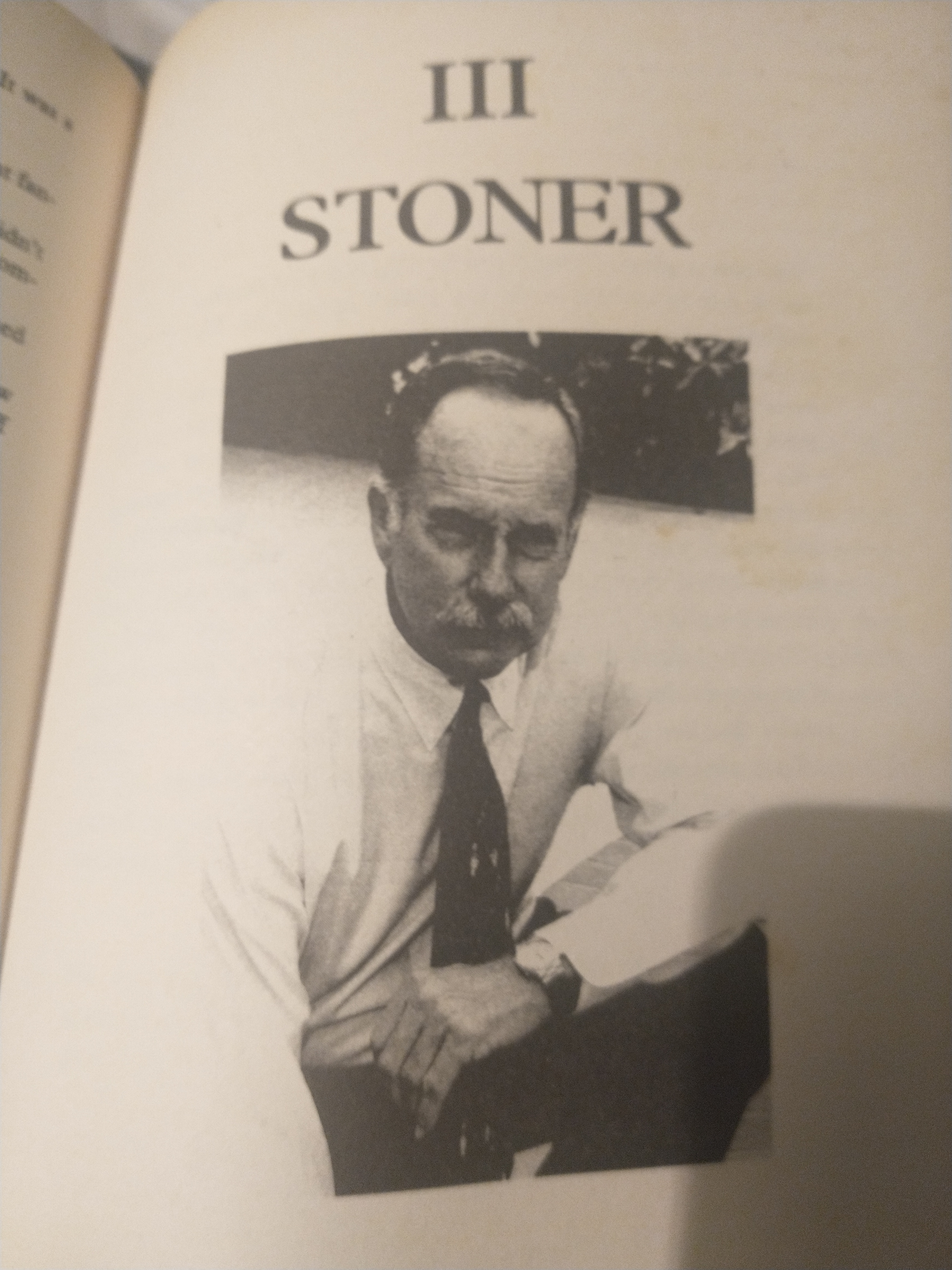
Bill Stoner only took on the Cotton Club case in 1987, by which time it was four years old. Stoner didn’t want the assignment as cold cases were considered work for retiring detectives. They get more and more difficult to solve with the passing of time, as Stoner was to discover several years later when he was investigating Jean Ellroy’s murder. Stoner knew the key to cracking the case would be peeling back the layers that separated Jacobs from the murder. Stoner talked to Jacobs’ drug dealing associates. Most of them were happy to snitch her off as ‘vain, shallow, greedy, ruthless and conniving’. Then came a breakthrough. Two of Jacobs associates, William Mentzer and Alex Marti, drove limousines part-time. This could potentially connect Jacobs to the murder as Radin got into a limo on the day he disappeared. Mentzer styled himself as a private investigator, but was actually a hitman who Jacobs called on to do her dirty work. Mentzer was the prime suspect in the murder of June Mincher, an obese prostitute, occasional actress and (like Jacobs) plastic surgery enthusiast who was allegedly killed for harassing a bodybuilder, Gregory Cavalli, who had rejected her. Cavalli reputedly hired Mentzer for the Mincher hit, but beat the charges at trial. Jacobs wanted Mentzer to kill Tally Rogers but he was unable to locate him. They suspected he was hiding out in Saint Thomas. Rogers ended up in Angola State Prison for child molestation.
Stoner talked to Mentzer’s aggrieved ex-wife Deedee. Deedee led him to Bill Rider, an ex-cop and the brother-in-law (and head of security) of porn tycoon Larry Flynt. Rider admitted to lending the gun to Mentzer that had been used to kill June Mincher, claiming that he didn’t know that Mentzer wanted the gun for a hit. Double Jeopardy meant that Cavalli couldn’t be retried for Mincher’s murder, but Rider agreed to cooperate and ensnare Mentzer on whatever charges they could bring against him. Rider set up a meeting with Mentzer in which Mentzer, always happy to brag, confessed to murdering Roy Radin on the orders of Lanie Jacobs. The meeting was bugged. The net was closing in on Jacobs. On September 23, 1988, Larry Greenberger, Lanie Jacob’s husband no.7, was shot in the head at his Okeechobee home. The scene had been clumsily staged to look like a suicide, but the Medical Examiner ruled the death as a homicide. Greenberger had been facing indictment in the ‘Sons of Lehder’ case. Lanie Jacobs was present when Greenberger died and was the prime suspect. Authorities feared she would flee the country with her late husband’s fortune. She was asked to appear at an Orlando police station to be questioned about her husband’s death on the guarantee that she wouldn’t be charged with Greenberger’s murder. Once she arrived, police charged her with the murder of Roy Radin.
Everything about the Cotton Club murder was complicated. The trial dragged on for fourteen months. Jacobs, Mentzer and two other defendants were found guilty of Radin’s murder and sentenced to life in prison without parole in 1991.
Ill Wind – The Legacy of the Cotton Club Case
The Cotton Club was released in 1984. In his summation of the Radin case in My Dark Places, James Ellroy described the finished film as a ‘shitty flick’. I wouldn’t be quite so damning, but The Cotton Club is certainly flawed. Perhaps it’s biggest problem, and this might be another cruel irony of the case, is that the ghost of Radin hovers over it throughout. I don’t mean that as a compliment. There’s a certain huckster persona to the way the film tells the story. Major events happen with little narrative impact, characters go unheard emotionally or literally as the soundtrack is inaudible. One imagines Radin would have loved it, blissfully unaware of how shallow it all is. The only time it comes to life is in the scenes when Dixie (Richard Gere) is trying to save his doomed brother Vincent (Nicolas Cage) from getting sucked into the Underworld.
There is one final mystery to be addressed – why isn’t the Cotton Club Murder more well-known? There hasn’t been a True-Crime documentary, so ubiquitous these days, on the case. There is only one full-length book on the subject, Bad Company: Drugs, Hollywood and the Cotton Club Murder by Steve Wick, which was published before Jacobs, Mentzer et. al were convicted. Perhaps the answer lies not in the Hollywood setting, for which public fascination endures, but in the cast of characters. As Ellroy put it, ‘The killers were clowns. The victim was a sleazy piece of shit. The supporting players were parasitic slime.’ True Crime cases which have resonated with the public, the Black Dahlia or the Tate-LaBianca murders for example, have featured victims who people can recognise as family, friends or even themselves. It’s hard to feel that way about Roy Radin.
There is one hero to emerge from the affair – Bill Stoner. The work of Stoner and his colleagues closed one of the most gruesome cases in Hollywood history.
Love Me Fierce in Danger: The Life of James Ellroy won the Edgar-Award for Best Biographical/Critical Book and is published by Bloomsbury.
Below is the song ‘Ill Wind’, sung by the beautiful Lonette McKee in The Cotton Club:


 The Venetian Vase