Highbrow Lowbrow: My Dinner with Andre & Before Sunrise
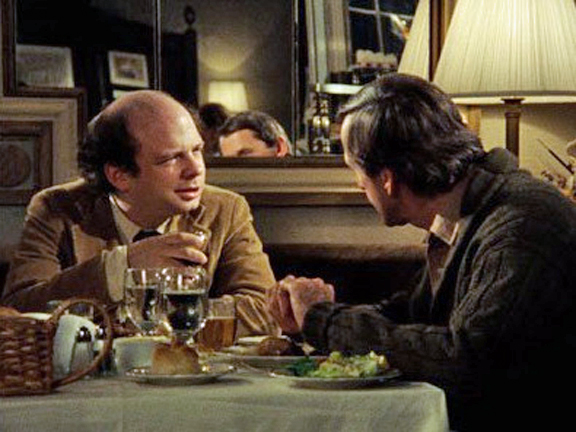
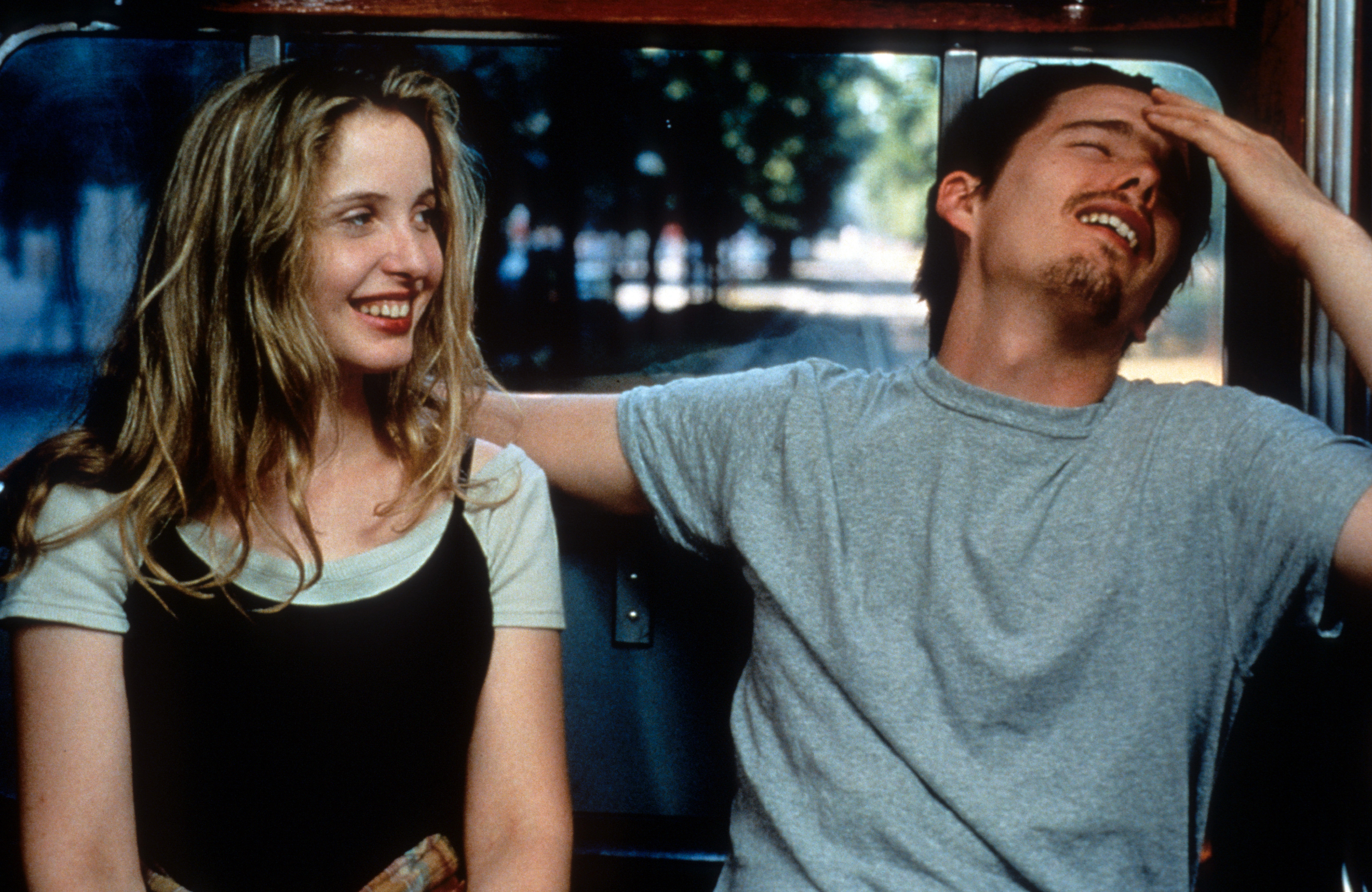
In the latest episode of Highbrow Lowbrow, my podcast co-host Dan Slattery and I discuss two of the great films about talking – My Dinner with Andre and Before Sunrise. Of course, they’re about much more than that. They are two classic films about life, love, pain, loss and everything in between. The conversations the characters enjoy is a conduit to these themes.
We hope you enjoy our conversation about the films.
Highbrow Lowbrow: Black Book vs Starship Troopers
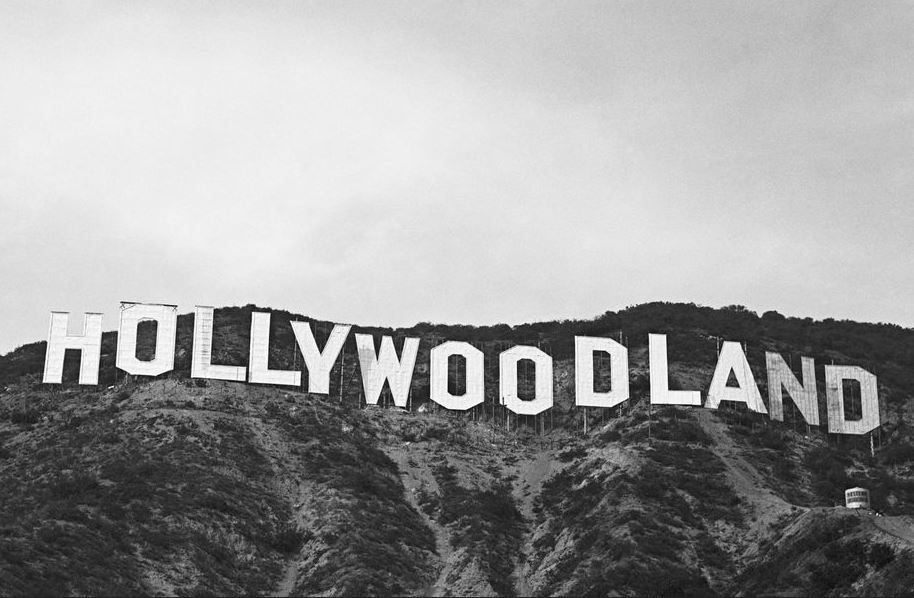
The latest episode of Highbrow Lowbrow is a Paul Verhoeven special. My podcast co-host Dan Slattery and I look at two very different films from the acclaimed Dutch director’s career.
My pick is Black Book, an epic wartime drama set in Nazi-Occupied the Netherlands. Dan opts for Starship Troopers, a bombastic sci-fi action film which Verhoeven made during his long sting in Hollywood.
You can listen here, and let me know your thoughts our choices.

A James Ellroy Playlist: Hollywood Signs
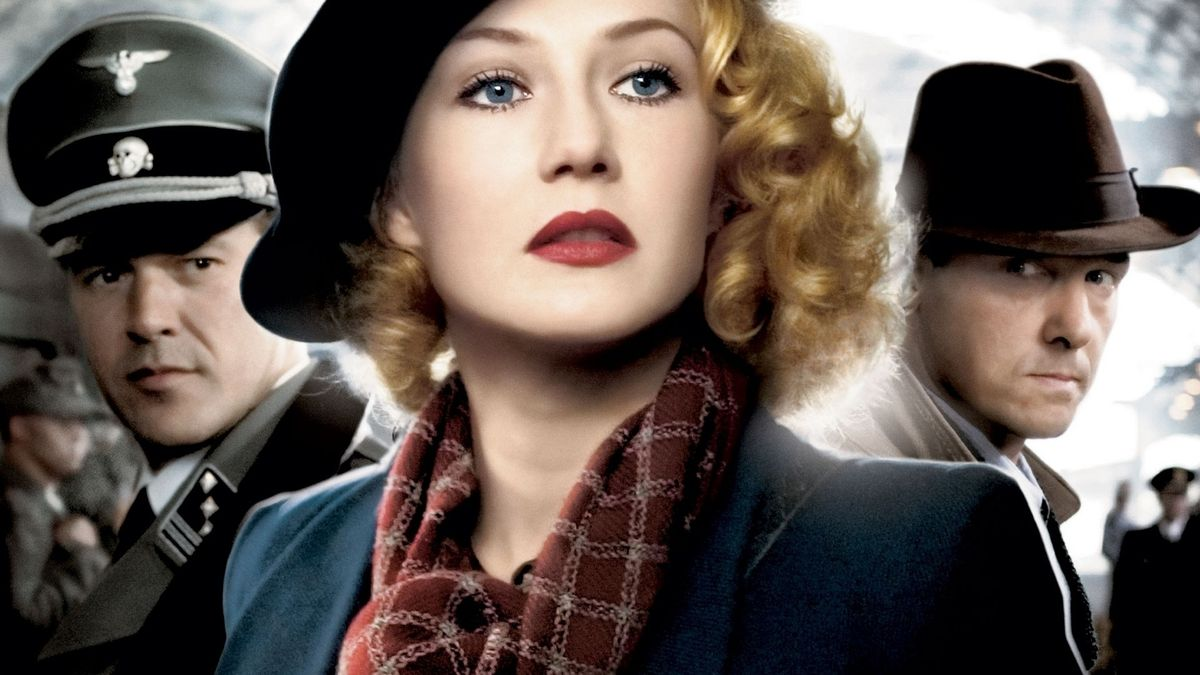
In The Black Dahlia, Bucky Bleichert discovers the site where Elizabeth Short was murdered at the same time as the last four letters of the Hollywoodland sign are being removed nearby in the Hollywood Hills. While Bucky is solving the most famous homicide in Los Angeles history two songs are referenced in the text. These songs might strike the reader as two of the corniest tunes to come out of the Hollywood publicity machine, but that would be similar to confusing ‘Born in the USA’ with jingoism and ‘Afternoon Delight’ with chastity.
For behind these two upbeat tunes, there is a warning about the dark side of fame.
Hooray for Hollywood
Bleichert is piecing together the connections between the Dahlia murder and Emmett Sprague’s slum bungalows which were used as sets in Mack Sennett films. He visits the Admiral Theater and watches a film in which ‘the Keystone Kops (are) transplanted to Biblical Days’. He recognises the set from a Stag film he’d viewed in which Elizabeth Short had been abused, ‘The exterior shots looked like the Hollywood Hills’. Bucky needs to visit the murder site immediately as it is due to be demolished in conjunction with the Hollywoodland sign. He makes his way past huge crowds, all in thrall to the sign-changing ceremony unfolding before them. Before he enters the house of horrors where the Dahlia was tortured to death, ‘the letter “A” crashed to the dirt’ and the Hollywood High School band starts playing ‘Hooray for Hollywood’.
‘Hooray for Hollywood’ has generally been regarded as a light, breezy tune ever since it first appeared in the 1937 film Hollywood Hotel. It later became a staple of the Academy Award ceremonies. However, the original lyrics are, in places, disturbing. Hollywood is the place where ‘any shopgirl can be a top girl, if she pleases the tired businessman’. This line was changed when Doris Day recorded the song in 1958. It seems particularly inappropriate in light of the MeToo movement, and the ongoing debate as to whether Elizabeth Short was an aspiring starlet.
Here’s the original version from Hollywood Hotel.
There’s No Business Like Showbusiness
Once he departs the shack where Elizabeth Short was murdered, the alteration to the Hollywood sign is complete and the band starts playing ‘There’s No Business Like Showbusiness’. This is another song in which the upbeat tone masks some dark lyrics, ‘There’s no people like show people, they smile when they are low’. The opposite of show people would be the everyman ‘butcher, the baker, the grocer, the clerk’ who are all ‘secretly unhappy’ and would ‘gladly bid their dreary jobs goodbye for anything theatrical’.
Of course, the band is playing the tune without the lyrics, so the large crowds who have gathered to watch the changing of the sign are unaware of how Hollywood is mocking them. Only Bleichert is aware of the hypocrisy. The glitz and glamour of the ceremony and the fact that the set which doubled as the murder site of Elizabeth Short was used for a film set in ‘Biblical Days’ is designed to contrast sharply with the grisly reality Bleichert has uncovered.
‘There’s No Business Like Showbusiness’ was written by Irving Berlin for the musical Annie Get Your Gun. Members of Buffalo Bill’s Wild West Show sing it to Annie Oakley to persuade her to join their production. Once she is lured into this world, even gun-toting Annie Oakley discovers that showbusiness can be as ruthless as anything she experiences in the Wild West.
Love Me Fierce in Danger: The Life of James Ellroy is available to pre-order from Bloomsbury. You can also pre-order a copy from all good booksellers.
Highbrow Lowbrow: Locke vs Buried
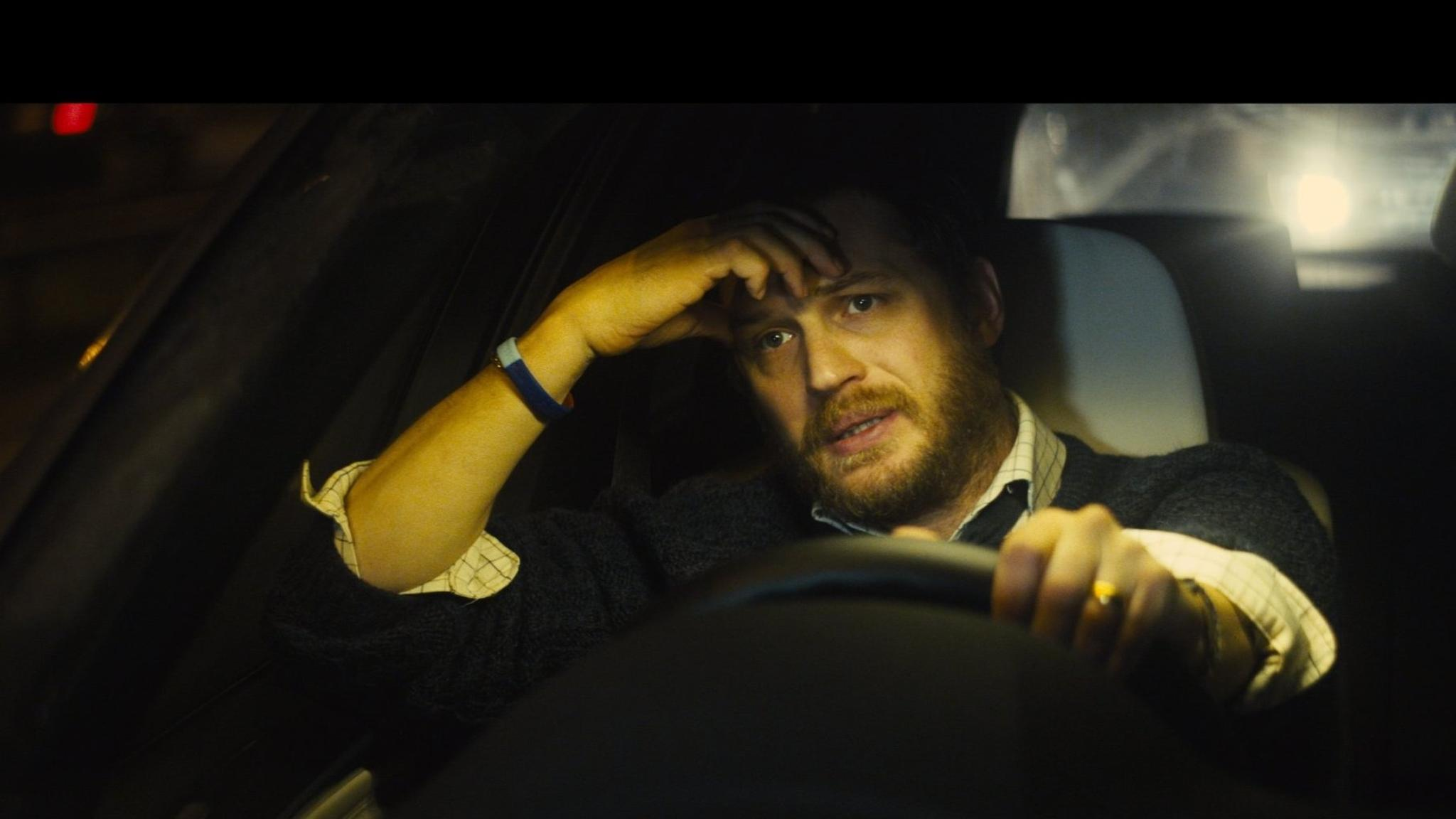
The latest episode of Highbrow Lowbrow is now live. In this episode the theme is claustrophobic films held together by one powerhouse performance. My pick is Locke, in which Tom Hardy embarks on a car journey to London to visit a woman who he had a one-night stand and is about to give birth to his baby. Along the way, he has a series of increasingly tense phone calls with his wife, boss and colleague.
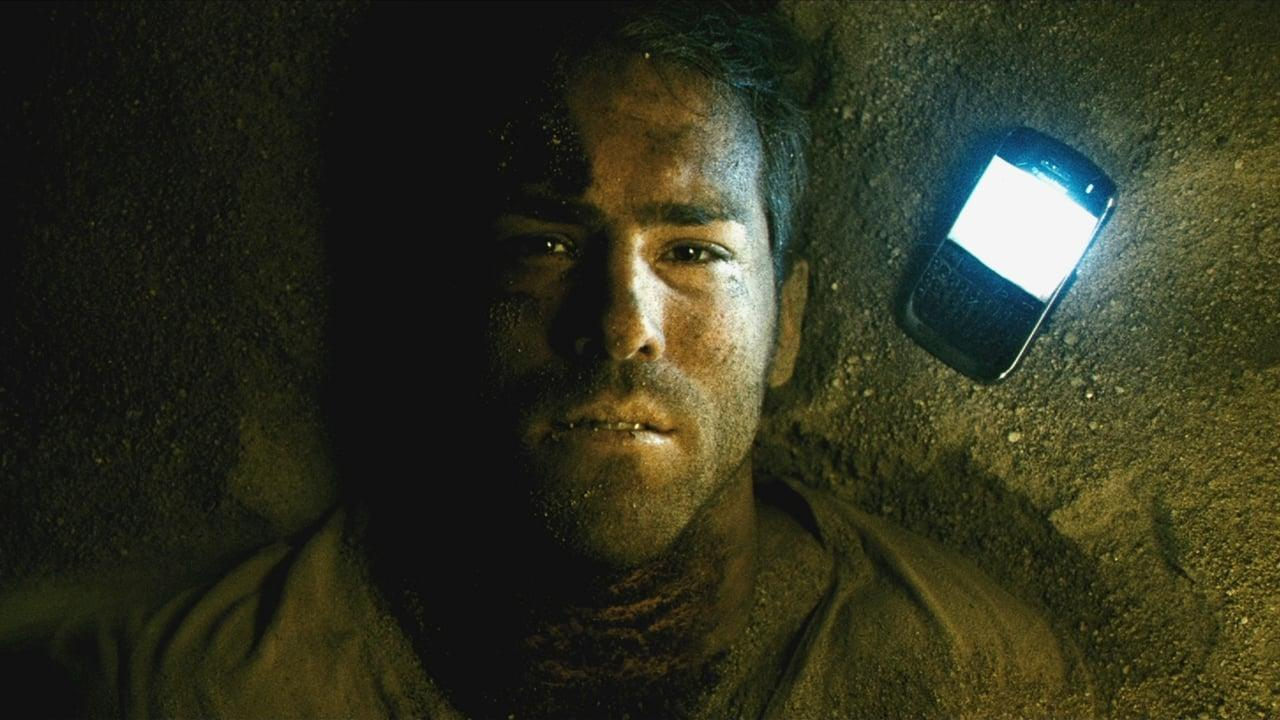
Dan’s pick is Buried. Ryan Reynolds wakes up to find himself in a coffin, buried underground in Iraq. How did he get there and will he be able to get out? It all depends on the magic of movies.
You can listen here. Enjoy!
A James Ellroy Playlist: Stan Kenton – Rhythm in Art
Stan Kenton was one of the most innovative and popular jazz artists of the twentieth century. Given the importance of jazz to James Ellroy’s LA Quartet novels, it’s perhaps not surprising that Kenton – both the man and his music – pops up regularly in Ellroy’s fiction. And while Ellroy always keeps Kenton’s appearances brief, the band leader’s presence is often symbolically important.
Artistry in Rhythm
In The Black Dahlia, Bucky Bleichert and Kay Lake dance to ‘Perfidia’ performed by the Stan Kenton Orchestra at Balboa Island on New Year’s Eve 1946. The choice of song is telling. Kay is the partner of Lee Blanchard, Bucky’s best friend in the LAPD. Perfidy is in the air as Blanchard looks on in quiet jealousy while Kay and Bucky begin to fall in love. Perfidia is also the title of the first novel in the Second LA Quartet, in which Kay Lake’s diary entries state, rather implausibly, that she was in love with Bucky at a much earlier point, before she even spoke to him.
Ironically, Kenton has already witnessed Bucky perform. At the ‘Mr Fire versus Mr Ice’ LAPD boxing match in which Bucky fought Blanchard and lost.
I saw Stan Kenton huddled with Misty June Christy, Mickey Cohen, Mayor Bowron, Ray Milland and a shitload of high-brass in civvies. Kenton waved at me; I yelled ‘Artistry in Rhythm!’ at him. He laughed, and I bared my buck choppers at the crowd, who roared their approval.
‘Artistry in Rhythm’ was the title track of Kenton’s most celebrated album. It’s a dry title for a terrific piece of music, but it sums up plainly and directly what Kenton achieved through jazz. And also what Bucky achieves in boxing. The way he works the crowd is pure performance, adlibbing at the sight of Kenton and flashing the bucked teeth that gave him his name. Indeed, his presence in the ring is a form of double performance as he plans on throwing the fight, having heavily bet against himself to clear his debts. Halfway through the fight though his competitive instincts kick in, and he fights to win. Blanchard knocks him out, but Bleichert’s reputation for toughness in the ring is secured. The complex interaction and power struggles between Bucky, Blanchard and Kay is a reminder that there’s artistry in the rhythm of Ellroy’s plotting.
This video below of the Stan Kenton Orchestra performing ‘Artistry in Rhythm’ was recorded in London in 1972. Kenton is frail (he died five years later), the footage is worn, but this is still a powerhouse performance.
Machito
Despite his regular appearances in Ellroy’s fiction, Stan Kenton appears to be partially shielded from Ellroy’s love of salacious gossip. Was his appearance ringside ‘huddled’ next to June Christy suggestive? Kenton was handsome, thrice-married and a ladies’ man. He collaborated with June Christy on a number of performances. In American Tabloid, it is briefly mentioned that while under FBI surveillance, Marilyn Monroe is seen having a sexual assignation with Kenton.
Perhaps the most disturbing aspect of Kenton’s life wouldn’t have been known by Ellroy when he first started writing about him. Leslie Kenton, daughter of Stan, revealed in her 2010 memoir Love Affair that her father raped her when she was eleven years old. Incestuous contact between them continued for several more years. Leslie didn’t confront her father about it until 1972 in London when Kenton was recording for the BBC. Kenton ‘physically crumpled’ in response.
Leslie Kenton led an extraordinary life. She lived in London, Paris and New Zealand. Aside from her successful writing and business career she had four children by four different men but ‘one of the ironies of my life is that the men I loved most were not the fathers of my children’. She died in 2016. Several members of Stan Kenton’s family were colourful characters. Stan’s son Lance was an ‘Imperial Marine’ in the violent Synanon cult. He served time in prison for putting a rattlesnake in the mailbox of an anti-Synanon lawyer.
In Ellroy’s novella ‘Pervdog’ published in Widespread Panic, Fred Otash is committing a burglary and has a Kenton tune in his head. Otash describes ‘Machito’ as ‘Mad music to B & E by’. The track below is one of the earliest, and most frantic, recordings of ‘Machito’. Perfect music for when you’re working against the clock and, like Otash, need to get in and get out.
Let Kenton’s music inspire you, as it has inspired Ellroy.
Love Me Fierce in Danger: The Life of James Ellroy is available to pre-order from Bloomsbury. You can also pre-order a copy from all good booksellers.
Highbrow Lowbrow: Halloween Special
The latest episode of Highbrow Lowbrow is a Halloween special focusing on psychological horror. My pick is The Man Who Haunted Himself, a doppelganger thriller starring Roger Moore in his most acclaimed (double) role as Harold Pelham. My podcast co-host Dan Slattery goes tunneling into The Hole, a claustrophobic chiller which helped to launch the careers of Thora Birch, Keira Knightley and Laurence Fox.
We hope you enjoy listening. Don’t have nightmares and leave us some feedback… if you dare!


Highbrow Lowbrow: Suddenly, Last Summer and Boom!
The latest episode of Highbrow Lowbrow is now live. My podcast co-host Dan Slattery and I look at two Tennessee Williams / Elizabeth Taylor collaborations. Dan has the highbrow choice this week with the powerful drama Suddenly, Last Summer. My pick is Boom!, a camp classic and unmissable entry in the Taylor and Burton love story onscreen. You can listen here.


Elizabeth Taylor in two cliffhanger roles: Suddenly, Last Summer and Boom!
Highbrow Lowbrow: After Hours vs Crank
In the latest episode of Highbrow Lowbrow we go down the rabbit hole and look at two movies where the leading characters are plunged into a surreal nightmarish world where the conventional rules of society no longer apply.
I talk about my favourite Martin Scorsese film After Hours, in which Griffin Dunne’s potentially romantic assignation descends into a Hellish night trapped in SoHo. My podcast co-host Dan Slattery discusses Crank, in which Jason Statham has to maintain his testosterone after being poisoned by a Beijing cocktail.
You can listen here, and let us know what you think of our choices.

Mr Campion’s Mosaic by Mike Ripley – Review
The year is 1972. Albert Campion is the guest speaker at a meeting of the Evadne Childe Society. The meeting is derailed by the news that someone has tried to kill the lead actor in a TV film adaptation of Childe’s novel – The Moving Mosaic. Campion is perplexed: Usually people want to kill actors after they give their performance. He agrees to investigate and soon finds himself plunged into a sordid world of bed-hopping and spouse-swapping thespians. It gives new meaning to the word “luvvie”. While visiting the film set in Dorset, Campion finds the mystery is complicated by the presence of some local ghosthunters, ‘The Prophetics’, who are trying to commune with the victim of a shootout between American soldiers during WWII. The Kingswalter Massacre was hushed up for fear of damaging relations between the Allied Powers. The final complicating factor is the existence of an impressive mosaic, the myriad design of which could be a metaphor for the elaborate plot-lines Ripley interweaves in this novel.
Mr Campion’s Mosaic is historical fiction at its best, as it invites us into a world which, while only fifty years ago, now feels as though it has vanished forever. It was a time when WWII veterans were numerous and the events of that conflict still resonated, not just in political but in personal ways. Actors were hellraisers, in and out of the bedroom. And there was debate among TV producers whether audiences had the patience to watch a feature-length detective drama! As they were soon to discover, no one ever went broke underestimating television audiences love of a good mystery. I found myself racing towards the conclusion to see how Ripley would tie it all together, and particularly towards the afterword Ripley includes to his Campion novels, which explains some of the references littered throughout the text. The Kingswalter Massacre, for instance, is based on the Kingsclere Massacre.
If you are unfamiliar with Mike Ripley’s Campion novels, then take my advice and treat yourself to a copy of Mr Campion’s Mosaic.
A marvellous book.
Skin Flick by Woody Haut – Review
A group of young friends are enjoying a carefree night in Pasadena in the early 1960s when suddenly their pleasant evening is interrupted by a large police presence on the streets. While ushering the teens away, an overly talkative police officer reveals that a woman has been murdered and the suspect is loose in the area. This fires the teens’ adolescent imaginations. Sure enough, they soon discover a man cowering behind a trash can down an alleyway. Assuming him to be the murderer, they savagely assault the man and crush his head with a rock, leaving him for dead.
This horrific event will define the lives of everyone involved, from the active participants to those that looked on unable or unwilling to stop it. As two decades pass, the friends drift apart, taking different paths in life: one becomes a cop, another a preacher and the main protagonist Billy, a modestly successful freelance journalist.
One day, Billy is contacted by Cassie, an old girlfriend. She wants him to use his investigative skills to help locate her teenage daughter who has suddenly vanished. Billy is hesitant at first, but he agrees to help for old times’ sake. After all, he’s had periodic romantic entanglements with Cassie and suspects he may actually be the father of the girl. As with the best noir tales, what begins as a somewhat reluctant assignment spirals into an all-consuming obsession. Billy is forced to confront the friends he was with the night a man was beaten to death twenty years earlier. He interviews Cassie’s ex-husband, a deadbeat poet who tacitly admits that he abused the missing girl. He interviews his friend who became a fire and brimstone (and sexually confused) preacher. He tries to recruit the support of his old pal who has become a terse, cynical cop. His passion for Cassie is reignited, even though she has become a ruthless businesswoman cashing in on the 80s property boom and embodies everything Billy detests about Reaganomics. Before he can judge his friends though, Billy is about to descend into his own personal hell. A nightmare from which it is far from certain that he will ever emerge.
I am sent copies of many newly published books… more than I’ll ever have chance to read, let alone review. But when a copy of Skin Flick arrived, and I saw it was the latest novel by Woody Haut, I knew it was going to be a book I would devour. I read it in two sittings. Would have finished it in one, were it not for the inconvenient fact that I had to go to work. Woody is a bona fide noir expert who has written several seminal works on the genre. His previous novels Cry For a Nickel, Die For a Dime and Days of Smoke were both superb. I’ve known Woody for several years as he was the guest speaker at the James Ellroy: Visions of Noir conference I organised at the University of Liverpool. In fact, there are strong parallels between Skin Flick and elements of Ellroy’s work. The fatal assault on the man hiding behind a trashcan reminded me of Ellroy’s Blood on the Moon, in which a horrifically violent event between adolescent youths reverberates through the decades, with equally violent results, for all of the main characters. But the stronger influence here is probably David Goodis, in that Haut doesn’t need a detective protagonist to unravel this tale of intrigue. Prepare to be sucked into Billy’s first-person narration as he recounts, in a form of noir poetry, the emotionally desolate landscape of eighties America and the fatalistic lives of the characters trapped in it.
Skin Flick is a modern noir classic.



 The Venetian Vase