The Jean Ellroy Files: Alva Herd and Easton Spaulding
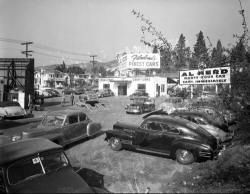
Alva ‘Al’ Herd was one of the most prominent Los Angeles based businessmen of the twentieth century. He was born in Glenwood Springs, Colorado in 1906 and was named after Alva Adams, three times Governor of Colorado and the father of Alva B. Adams, who became Senator for Colorado. Herd moved to Oakland first and then Los Angeles in 1921. By the early 1930s he was operating a successful car dealership in Sunset Boulevard and La Brea Avenue. Herd conducted car auctions in four states and became one of the biggest car dealers in Southern California. But by the 1940s he was broke. I spoke to Herd’s son Alan ‘Scotty’ Herd, who explained that the business ultimately failed as Herd’s customers kept passing him bad cheques. In 1947, Herd switched to real estate and made his second fortune. He never needed to change professions again.
The Jean Ellroy Connection
Al Herd’s closest friend was Easton Ewing Spaulding. The name might sound familiar to readers of this website, and anyone who has read my biography Love Me Fierce in Danger: The Life of James Ellroy, as Spaulding was the first husband of Jean Ellroy, the mother of James Ellroy. Spaulding was Scotty Herd’s godfather, who in turn named his son, Easton Alan Herd, after him. Scotty gave me a vivid account of Herd and Spaulding’s friendship and business partnership. Herd was the businessman and Spaulding was more of an investor. Spaulding came from money, his family fortune was in real estate, and he invested in Herd’s business as he needed a sense of identity. As a car dealer, Herd had provided ‘exotic’ cars to celebrities. In real estate, he also catered to the rich and famous. Herd became a celebrity himself. His IMDB page states he was a guest on The Mike Douglas Show. According to Scotty, there were many more media appearances. He also counted Hollywood stars, such as Cary Grant, as his friends. Herd and Spaulding moved in the glitziest of Hollywood circles. Spaulding’s fourth and final marriage, after his brief marriage to Jean Ellroy was annulled or dissolved, was to Emily Hensel. Emily’s sister Betty was dating Cary Grant at the time of Emily and Spaulding’s wedding.
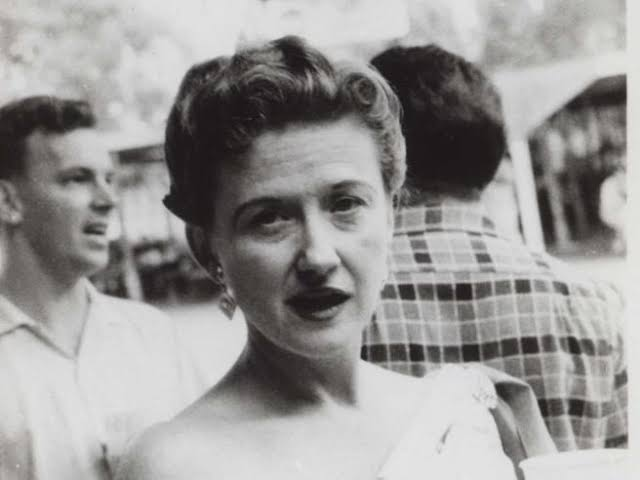
Easton Herd wrote to me, ‘As for my Grandfather (Al Herd), he was a a pretty good salesman, dated a few starlets and married several times. So he would have been the type to meet girls and introduce them to his friends like Easton.’ This is intriguing as Jean Ellroy was a starlet, unlike ‘the Black Dahlia’ Elizabeth Short who has often been labelled a starlet but there isn’t any evidence that she had acting roles or ambitions. Jean was living in Chicago, pursuing her nursing career, when in December 1938, she won a beauty contest and flew to LA and took a screentest. Nothing came of it and she switched back to nursing. Jean didn’t have any real interest in acting. However, she married Easton Spaulding in November 1940. It’s possible that she met Spaulding through Al Herd during her brief dalliance in Hollywood.
Herd’s career wasn’t without controversy. His obituary states he ‘earned national publicity as one of the first to use creative financing packages when inflation pushed up housing prices in the 1970s’. This will hardly endear his memory to many Americans still reeling from the sub-prime mortgage crisis. Spaulding’s granddaughter Catherine Judd sent me a series of letters written by her mother Anne Kennedy. Anne had some contact with Herd through her father, although her description of him is not flattering. She describes him as her father’s ‘psychopath friend’, ‘really a shady character’ and ‘infamous’.
Jean Ellroy was murdered in El Monte in June 1958. She was on a date with a man who, due to his olive complexion, became known as ‘the Swarthy Man’. He raped and murdered Jean and has never been identified. Jean’s son James Ellroy became one of the greatest crime writers of his generation. Now don’t misunderstand me. I’m not suggesting that Al Herd could have been ‘the Swarthy Man’. He was too old and too pale. He did have a similar slim build and widow’s peak style hairline to ‘the Swarthy Man’. However, in these true crime style investigations you can’t just take the facts that suit your narrative and discard the others. Al Herd died, aged 91, in 1997.
I do believe, however, that the more we can find out about Jean Ellroy and her mysterious, secretive life the closer we will come to understanding and perhaps solving her murder. She moved in celebrity circles, but turned her back on Hollywood to pursue her passion for nursing in the small city of El Monte. She had only lived in El Monte for a matter of months before she was murdered.
We can’t allow her to be forgotten.
If you enjoyed this article, why not treat yourself or someone you care for to a copy of Love Me Fierce in Danger: The Life of James Ellroy (Bloomsbury: 2023).
Postscript: Below is a promotional video of Al Herd showing two young women around his properties. There’s no sound and the clumsy editing suggests the footage may never have been finished for any form of promotional release, but that only makes it more weirdly mesmerising. I found the footage on the website of filmmaker Raymond De Felitta, whose father author Frank De Felitta makes a cameo appearance in Love Me Fierce in Danger. De Felitta has this to say about the footage, ‘Strangely, even in black and white LA then looks like LA now–scrubby, mephitic, debilitating. And that’s in the good neighbourhood…’
A James Ellroy Playlist: Beginnings
James Ellroy’s debut novel Brown’s Requiem was more than just the start of his literary career. It was the beginning of Ellroy’s musical obsessions, particularly towards classical music, pouring out into his writing. In the following post I am going to look at two of the most notable musical references in Ellroy’s first novel.
Fate Knocks at the Door
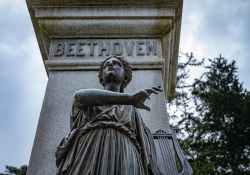
Brown’s Requiem is ostensibly a novel about a private detective, the Fritz Brown of the title. But it achieves so much more than the conventions of the genre usually allow. It is also a meditation on classical music. Ellroy’s favourite composer is Ludwig van Beethoven. Surprisingly, the Beethoven references in the novel are somewhat threadbare compared to that of other composers. It is almost as though Ellroy is afraid to critically analyse the master. Brown keeps a portrait of Beethoven on his wall and aspires to be the same form of Romantic, brooding hero, but when he mentions the composer in his first-person narration the effect is comical, ‘I was never a child. I came out of my mother’s womb full-grown, clutching a biography of Beethoven and an empty glass. My first words were “Where’s the booze?”’
The influence of Beethoven is so strong on Brown that he claims, admittedly humorously, that it started at birth. Ellroy himself discovered Beethoven’s music during his childhood. Ellroy was attending John Burroughs Junior High School when his music teacher, Alan Hines, played the four note opening motif of Beethoven’s Symphony No.5, which Beethoven described as ‘Fate knocks at the door’. It certainly was for Ellroy, it ignited a passion and reverence for Beethoven which has persisted to this day. The Fate motif is one of the most famous pieces of music in history. Almost everyone has heard it, and it’s influence is limitless, being easy to parody and inspiring rock and roll and disco covers.
Concerto for Orchestra
Ellroy’s original title for the novel was ‘Concerto for Orchestra’. His publisher Avon insisted he change it on the grounds that it would be difficult to market as a crime novel. The final section of the novel was eventually titled ‘Concerto for Orchestra’ in accordance with Ellroy’s wishes. Ellroy took the title from Béla Bartók’s Concerto for Orchestra. Considered one of Bartók’s most popular and accessible works, Ellroy later confessed to me that he now considers it to be ‘dry and academic’. The performance below by the Frankfurt Radio Symphony is both dramatic and suspenseful, and would be a good soundtrack to Fritz Brown unravelling the mystery narrative of Brown’s Requiem as he travels through Los Angeles and Tijuana.
Love Me Fierce in Danger: The Life of James Ellroy is published by Bloomsbury.
Highbrow Lowbrow: Halloween Special
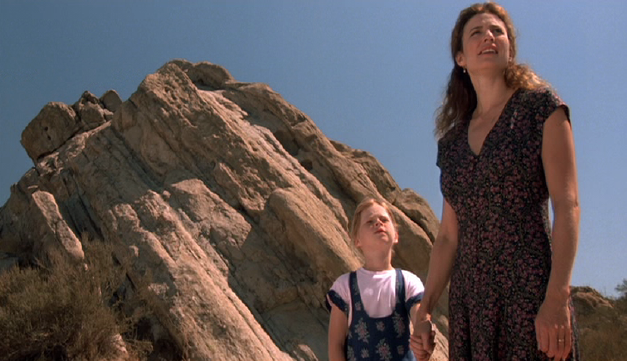
Hot on the heels of our William Friedkin tribute episode, Highbrow Lowbrow is back with a Halloween Special! My pick is Michael Tolkin’s The Rapture, in which Mimi Rogers plays a woman who turns her back on her promiscuous lifestyle to join a religious cult which believes the end of the world is nigh. Be careful what you wish for!
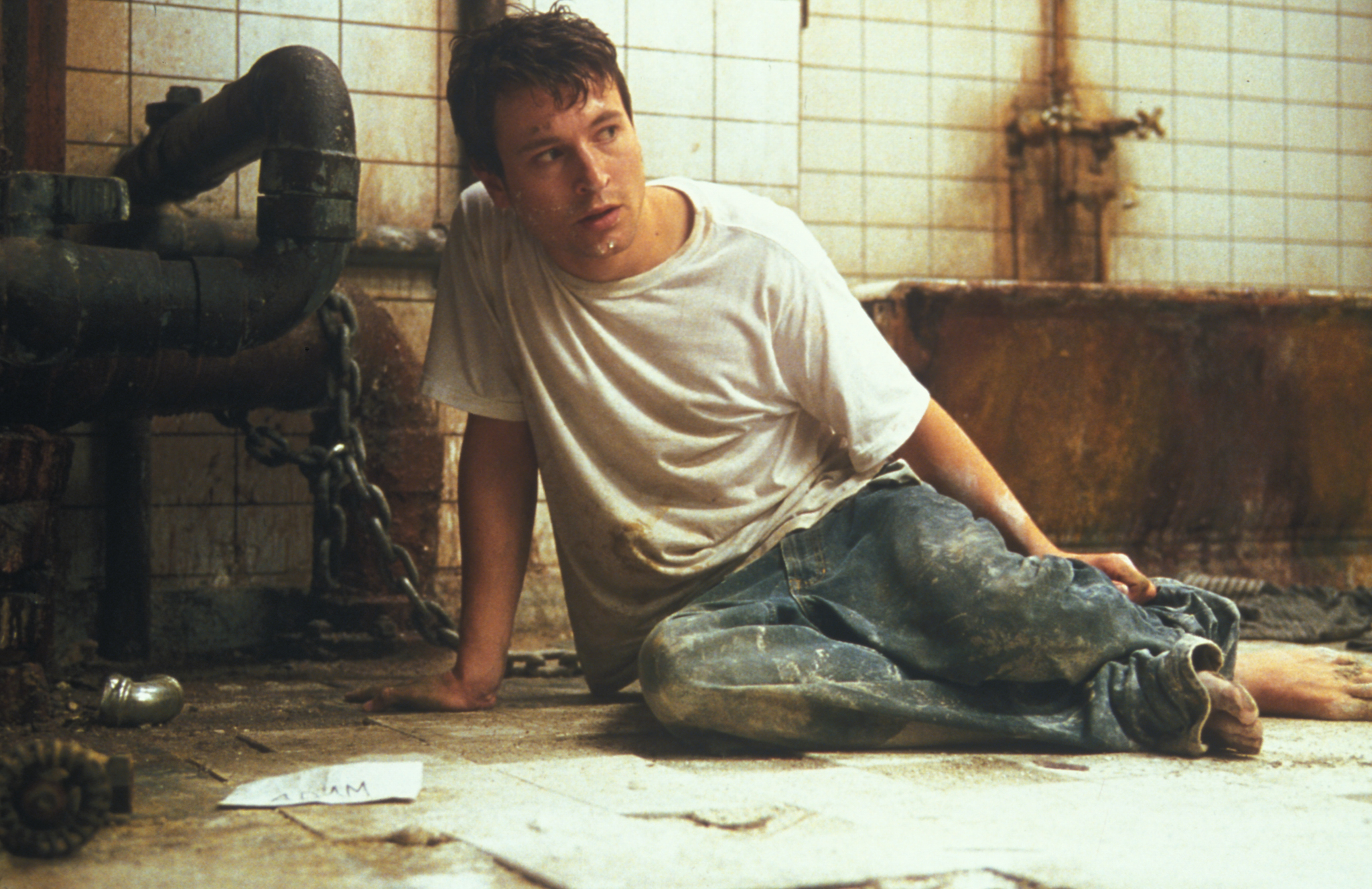
Dan’s choice is the horror classic Saw. Forget the sequels, Dan argues. The original Saw was horror at its bare bones best. You can listen to the full episode here.
Highbrow Lowbrow – William Friedkin Special
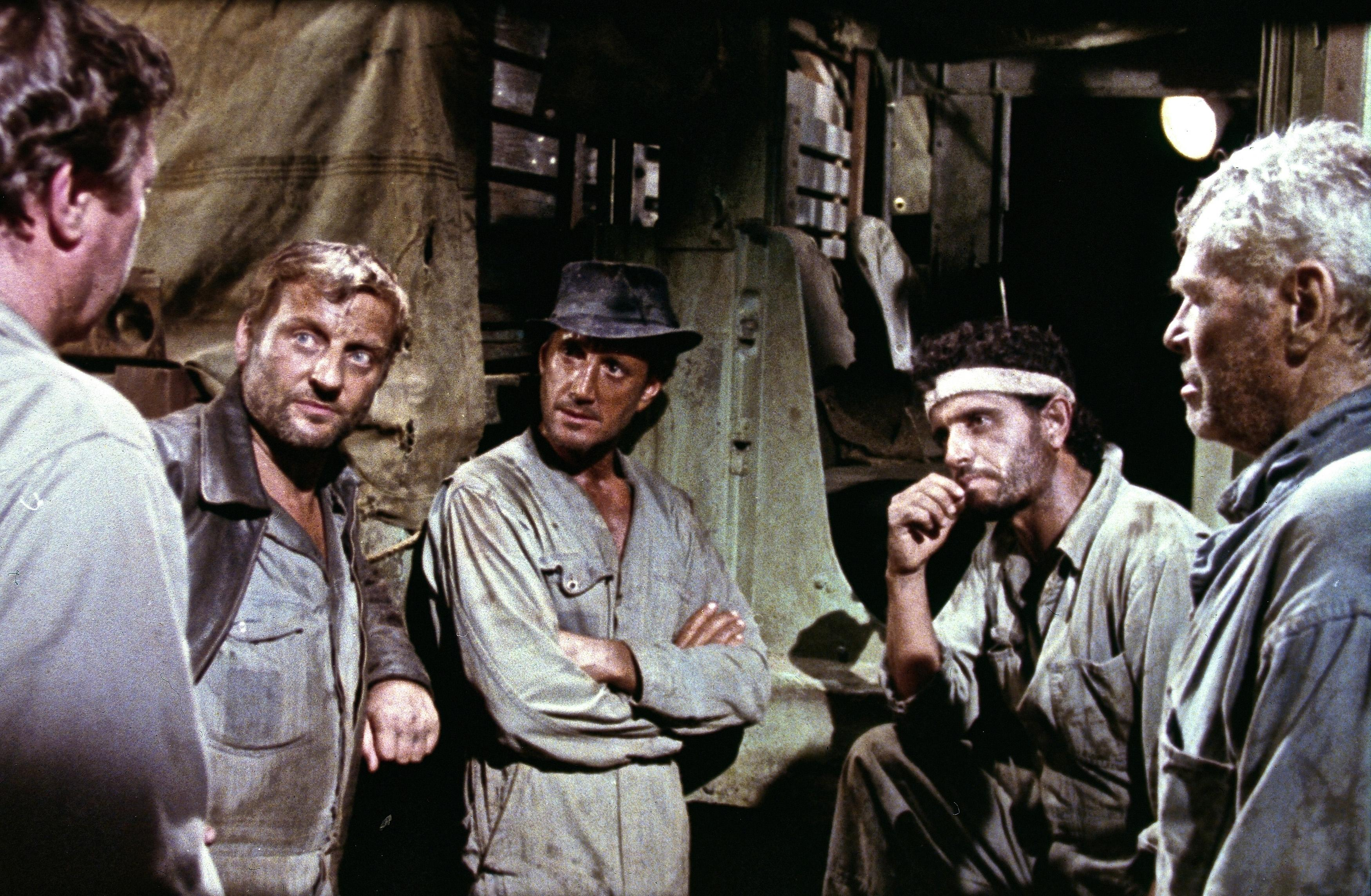
Highbrow Lowbrow is back with a tribute episode to the legendary Hollywood director William Friedkin who died in August of this year. My highbrow pick is Sorcerer. A critical and commercial failure when it was released, Friedkin’s film charting the journey of four desperate transporting unstable dynamite across the Amazon jungle has been critically reassessed in recent years, and is now regarded as a classic of suspense.
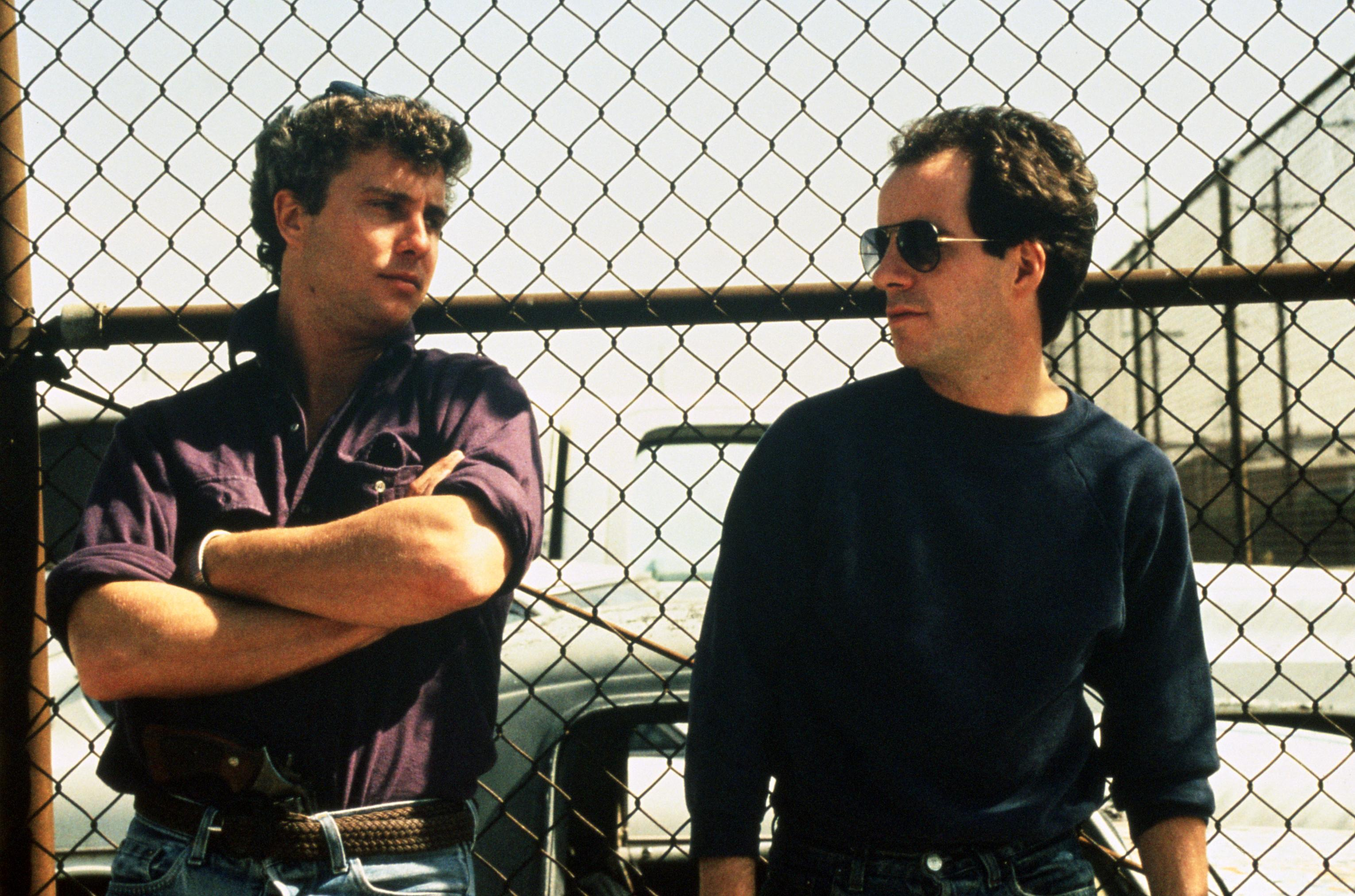
My podcast co-host Dan Slattery choice of film is To Live and Die in LA. A tale of counterfeiting and the secret service, double and triplecrosses, Dan argues that To Live and Die in LA is a modern noir classic, and more than just The French Connection for the west coast.
You can listen to the full episode here.
Everybody Knows by Jordan Harper – Review
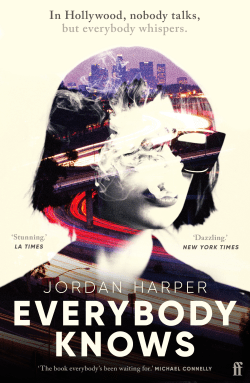
Everybody Knows is the brilliant new novel by Jordan Harper. It takes its title from an expression the characters use to discuss Hollywood secrets, up to and including sexual abuse by A-listers: ‘Nobody talks. But everybody whispers’. In Tinseltown, your career, reputation, and chance to pursue a creative life are dependant on protecting the beast – Harper’s name for the studio system and the abusers its shields. Our lead characters are two insiders who know this world intricately. Mae Pruitt is a ‘black bag’ publicist at a crisis PR firm. Some publicists job is to make you look good. Mae’s job is to make sure you don’t look bad. Early in the novel, a heavily-staged Instagram post involving one of Mae’s clients and her lap dog Mochi helps to narrowly avoid a scandal. It’s disturbing and darkly hilarious because its ring true. Mae’s world comes crashing down when her boss is gunned down outside a Beverly Hills Hotel. Suddenly the game has changed, and things can’t just be fixed anymore. Mae starts to investigate with the help of her ex-boyfriend Chris, only to find that both of their lives are in danger as they draw closer to the secrets which might finally slay the beast.
I interviewed Jordan Harper when I was researching Love Me Fierce in Danger: The Life of James Ellroy. Harper is a huge Ellroy fan, to the extent that he even named his dog Ellroy. He scripted a television pilot adaptation of Ellroy’s novel LA Confidential. He sent me a copy and I can attest to it being a brilliant piece of television. Harper had plans to adapt Ellroy’s sprawling novel into a series format, but despite a multi-million dollar budget, high-calibre cast and first-rate production values the TV pilot was never broadcast. Harper was showrunner on the pilot, involved in almost every aspect of the creative process. One can only imagine his disappointment that viewers were never given the opportunity to cast their own judgement on the show. Part of that frustration boils over into Everybody Knows, which is more than just a page-turning noir tale. It is destined to become one of the great Hollywood satires on a par with The Day of the Locust and What Makes Sammy Run?
The Enchanters: Ellroy’s captive audience
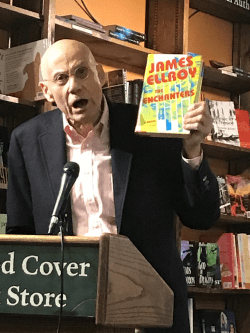
For the following piece we welcome back to the blog James Ellroy aficionado and all-round good guy Jason Carter:
“I put a spell on you!!!”
James Ellroy left his Denver audience in no doubt as to who runs an Ellroy presentation. “You’re nobody’s audience but MINE!”
Just minutes before, an employee of Tattered Cover’s Colfax location warned the audience in her introduction of Ellroy that the Demon Dog would likely utilise some colourful language that would easily offend.
The warning was well timed, as Ellroy then launched into an extra-lengthy rendition of his signature “Peepers, prowlers, pederasts, pedants” introduction, followed by the Reverend Ellroy’s promise of unlimited bedroom action sans adultery, negative ramifications and STDs for anyone brave enough to purchase literally thousands of copies of his new novel The Enchanters.
And while this salaciously solicitous greeting is often a standard feature of Ellroy’s introductions, tonight it carried even greater gravity as the Tattered Cover—an iconic independent Colorado bookstore with a decades-long history and locations throughout the state—had just announced its bankruptcy filing and also the soul-crushing closure of three of its locations…
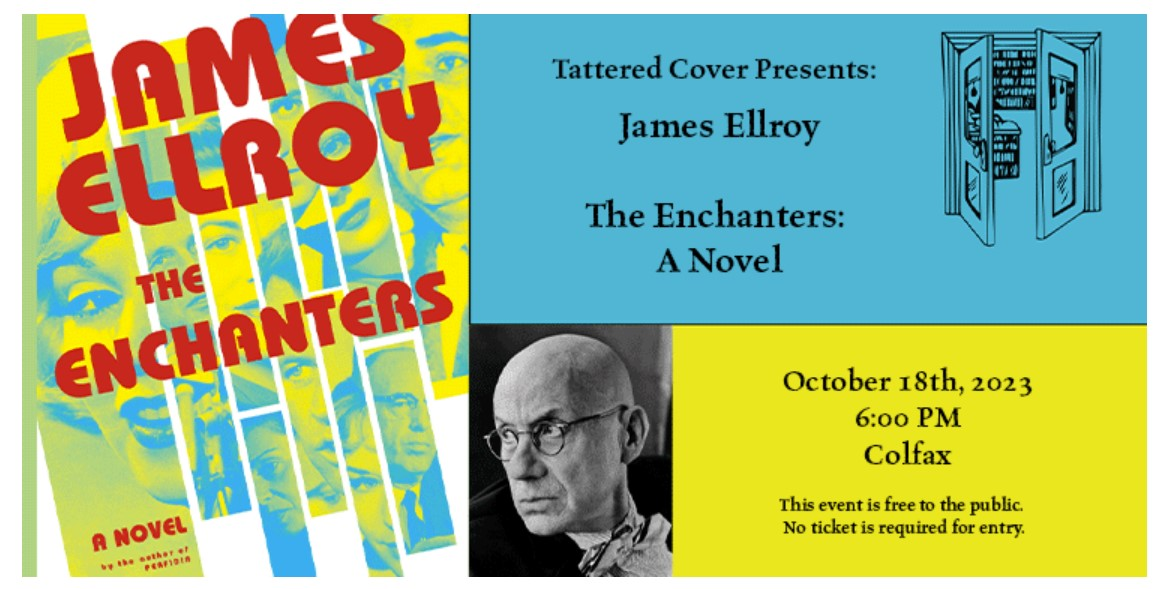
Ellroy has always championed brick and mortar bookstores and printed physical books verses their electronic counterparts, and Tattered Cover’s recent bankruptcy actions heightened the urgency exponentially: “Buy multiple copies of this book, or a serial killer I have waiting in the parking lot will slaughter all of you!” Ellroy commanded. “And don’t buy this book on the internet… it doesn’t count as much towards the New York Times best seller list.” This evening, October 18th, 2023 also came just four days shy of the 14th anniversary of when I met Ellroy for the very first time at this very bookstore on October 22, 2009… I saw the Demon Dog for a second time here on June 21, 2019 during his tour for This Storm, and that evening was memorable because Ellroy—our premier practitioner of profound profanity—chose deliberately to not use any foul language, even going as far as refusing to read any passages from This Storm due to the novel’s ubiquitous vulgarity.
“The Enchanters is my best book ever!” Ellroy followed this confident pronouncement with a far more nuanced rumination: “Ninety-six years ago, Dashiel Hammett’s first novel Red Harvest was published… Now in 2023 comes its corollary… Hammett and I represent the alpha and omega of the American hard boiled novel.”
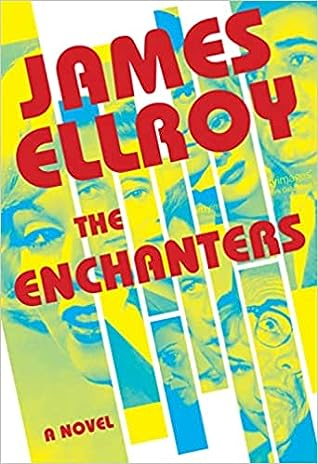
Ellroy did also manage to insert his now famous commentary on the dividing line between Hammett and Raymond Chandler—“Chandler wrote the man he wanted to be, and Hammett wrote the man he feared he was”—while also declaring that “Hammett is infinitely greater than the candy-ass Raymond Chandler…”
Dog then read from The Enchanters exhilarating opening chapter, and then opened the floor for questions—though with strict limitations: “No questions about politics, no questions about my life, no questions about movies I might have written… I’ll cut you off at the knees!!” Only questions about The Enchanters were acceptable.
Ellroy soon contradicted this absolution however, when a patron asked him whether he would ever narrate any of his novels, as it was a perfect opportunity to promote Audible’s upcoming unabridged verbatim rendering of American Tabloid, which features Ellroy reading the narrative and the dialogue performed by a full cast, all in an epic runtime of nearly 22 hours.
The Demon Dog did also acknowledge why he chose to expand the once-second L.A. Quartet to the now L.A. Quintet—comprised chronologically of Perfidia, This Storm, The Enchanters, and two future Fred Otash novels set during the final months of 1962. “It’s a micro-history of L.A. in 1962 when I was 14…”
The number 14 is quite significant to me also… I was that same age when James Ellroy first crashed into my life thanks to a now-classic Unsolved Mysteries episode in March, 1996. While The Enchanters is heavily concerned with the death of Marilyn Monroe, Ellroy cautioned his Denver audience not to think of the book as a tribute to Ms. Monroe: “The Enchanters is classic P.I., and while it gives you the protracted life and death of Marilyn Monroe, I never liked her… I dislike her as a human being and as an actress… She never did a thing for me as a woman.”
The Enchanters is published by Penguin Random House.
Love Me Fierce in Danger: The Life of James Ellroy is published by Bloomsbury.
Bahamian Rhapsody in Apocalypse Confidential
I am delighted to announce that my short story ‘Bahamian Rhapsody’ has been published by the brilliant online magazine Apocalypse Confidential. Apocalypse Confidential also published my previous story, ‘The Beach Blonde’.
You’ll find an extract of the story below. You can read the whole thing here:
The first time I saw Lenny Styles he was in the dock being arraigned on charges of assault and causing serious injury by dangerous driving. As a teenager I had dreamed one day I would see him in a packed football stadium belting out his hits “Don’t Forget My Love“ and “I Don’t Want You No More Baby”. He was a dashing figure then, having hit the big time in his mid-thirties. As he once told an interviewer, “I was old enough to appreciate the struggle it took to get here, but young enough to enjoy the fruits of a Rock N’ Roll lifestyle.”
Ten years later his band came crashing down amid rumors of bust-ups, threatened lawsuits and bad management. Whatever the reason, the one thing that was undeniable about Styles’ fall from grace was his declining popularity and sales. I should know; I was a diehard fan loyal enough to buy his critically panned experimental prog rock album Underground Suspicion, purely for completion’s sake of course.
The shambolic figure in the packed courtroom this morning didn’t look like the old Lenny Styles. My former idol now sported greasy unkempt hair, but not in a cool rock star way, and a bulging stomach seemed to be testing the buttons on his crumpled tan jacket. It had been a long decline for Styles. Despite claiming his bandmates had robbed him of millions in royalties he had bought a seafront mansion only twenty miles from Nassau, where I grew up listening to his albums. He moved in with his third wife, twenty years his junior, and settled down for what he hoped would be a blissful life enjoying the very best the Caribbean has to offer.
You know what they say about the best laid plans.
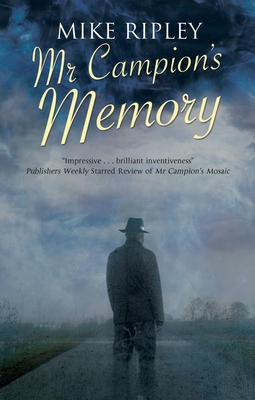
Mr Campion’s Memory – Review
In early 1970s London, everyone in high society covets a gong. Construction magnate Sir Lachlan McIntyre wants to add a peerage to his knighthood, but his chance to don ermine is threatened by scandal and, much worse, murder. A journalist Sir Lachlan has engaged in fisticuffs with has been found shot to death.
Enter Albert Campion, an aristocrat himself who has foregone the traditional pursuits of the landed gentry in favour of a career in detection. Campion’s nephew Christopher is an aspiring public relations guru who wants his uncle’s help to clear Sir Lachlan’s name, but by doing Campion finds himself implicated. Campion’s name was found among a list of dodgy names in the late journalist’s notebook.
Mike Ripley’s first Campion novel was published in 2014. Mr Campion’s Memory is his eleventh in the series. Each novel is a perfect cocktail of mystery and fizzy wit which builds on the legacy created by Margery Allingham. Recently, Mike brought to a close his excellent online column on crime fiction ‘Getting Away With Murder’ after 200 issues. I never missed a word Mike wrote in that column which is why I made the dedication for Love Me Fierce in Danger: The Life of James Ellroy ‘To Mike Ripley – For Getting Away With It’. I thought writing ‘For Getting Away with Murder’ might have been a tad tasteless given the unsolved murder of Jean Ellroy.
The humour and expertise Mike brought to his 200 columns of ‘Getting Away With Murder’ is delightfully in evidence in the excellent Mr Campion’s Memory.
The Enchanters – Second Reading
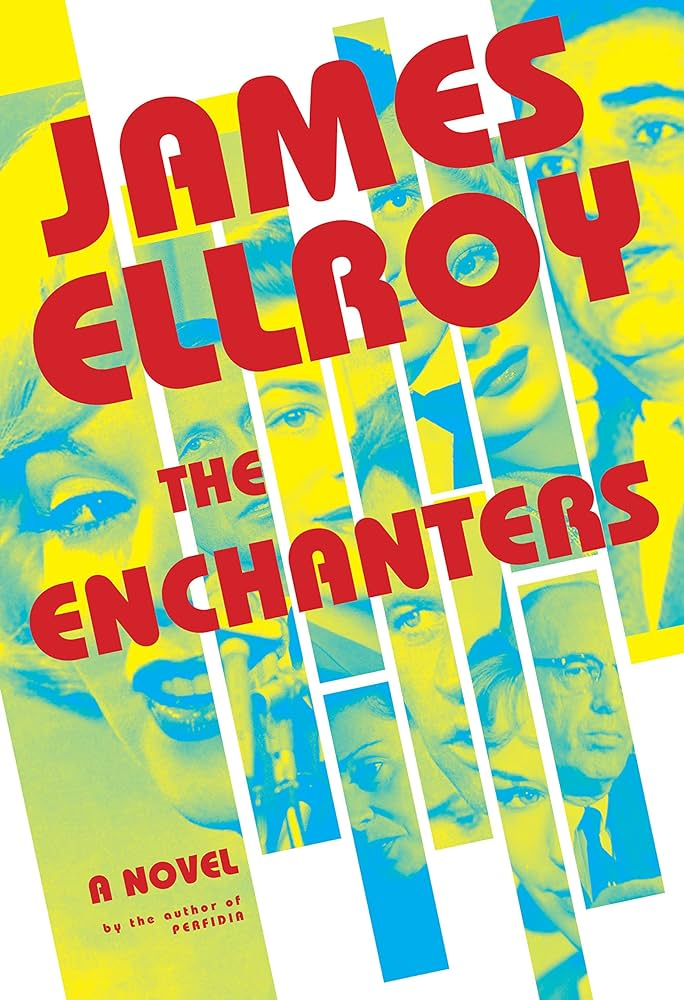
I’m currently rereading James Ellroy’s The Enchanters and enjoying it more the second time round, although naturally a few things that grated on the first reading now seem even more glaring. Rather than do a standard review, I thought I would jot down some thoughts.
The Setting
Los Angeles, 1962. Ellroy was fourteen years old at the time of the novel’s setting. ‘Geography is destiny’ Ellroy is fond of saying. To which we might add that history is memory. Ellroy has always been at his best when he can draw on his own experiences – his penchant for voyeurism, his cast-iron memory -and bring them into an historical fiction narrative. The Enchanters is strongest when he does this. Ellroy is not a natural researcher. He hires researchers to do the legwork for him while the inspiration springs from his memory. The WWII setting of Perfidia and This Storm robbed him of his modus operandi as he was completely dependent on researchers to portray the LA of before his birth.
The Characters
Now that Ellroy has abandoned the LA Quartet in favour of a Quintet (it’s a numbers game), how consistent is his portrayal of character? There are some characters, such as Dudley Smith and Elizabeth Short who have gone through too many jarring variations, but others feels they are coming into their prime. LAPD Chief William H. Parker is a far more interesting presence. He’s ambitious and cunning, unlike the pathetic, emotionally volatile figure he has been in recent novels. It helps that we don’t see too much of him. Despite deconstructing historical figures, Ellroy also left them enough mystique to stay interesting – the glimpses we see of J. Edgar Hoover in the FBI transcripts of American Tabloid to use one example. Fred Otash is also vastly more complex. Ellroy told me he never liked Otash personally… and in Widespread Panic it showed. Here, Ellroy has put his personal feelings aside, and he really explores Otash’s soul. I was less convinced that we needed Otash’s romance with the actress Lois Nettleton.
Marilyn Monroe
The FT review of The Enchanters makes the interesting point that Marilyn Monroe’s legacy has been hotly contested in recent years, and argues that Ellroy wants to ‘put that legacy right back where it used to be – in the zone of kink, innuendo, sex, gossip and scandal’. Well perhaps, but there’s something refreshing about Ellroy’s portrayal of a woman who understands her vices even though she can’t control them. His Monroe isn’t exactly an iconic icon of iconicity but she is endearingly human, and I loved her more for that.
Love Me Fierce in Danger: The Life of James Ellroy is published by Bloomsbury.
A James Ellroy Playlist: Images of Enchantment
Now that James Ellroy’s The Enchanters has been published and many readers of this site will already be ploughing through it, if you haven’t finished it already, I thought it would be a good time to assess the musical influences on the novel as part of my ongoing series on Ellroy and music.
Image of a Girl
After Marilyn Monroe’s death Freddy Otash’s first-person narration notes that ‘local disk jockeys played ‘Image of a Girl’ twenty thousand times a day’. Later at a beach party he notices some ‘Teen queens preened in Marilyn drag’ while transistor radios play ‘Image of a Girl’. The song by The Safaris reached No.6 in the US pop chart in 1960, two years prior to Monroe’s passing. In The Enchanters ‘Image of a Girl’ is used as a haunting tribute to Monroe, one of the most beautiful women in the world, and perhaps Ellroy first heard the song in the Summer of 1962, although I cannot find any evidence that it was getting constant airtime, as Ellroy suggests, shortly after Monroe’s death.
The song jumped out at me as, when I was writing Ellroy’s biography Love Me Fierce in Danger: The Life of James Ellroy, Ellroy specifically mentioned this song to me when he was talking about one of his former lovers, ‘her song was ‘Image of a Girl”. I subsequently interviewed the lady in question who told me she hadn’t heard of the song, so I played it for her:
How Are Things in Glocca Morra?
Just as Ellroy links ‘Image of a Girl’ to Monroe, he also links a specific song to Monroe’s occasional lover President Kennedy. Otash meets the actress Lois Nettleton at the The Chapman Park Hotel. Dick Haymes is singing ‘How Are Things in Glocca Morra’. Otash notes that Nettleton ‘loved the song’. John F Kennedy had more mixed feelings about the song. As this article in The Huffington Post reveals:
JFK was young congressman in 1948 listening to the Finian’s Rainbow Broadway cast album in his Washington apartment when he learned that his beloved sister “Kick” (Kathleen Kennedy) had been killed in a plane crash in France. The song “How are Things in Glocca Morra?” played as he broke down in tears.
Ellroy has chosen two songs for The Enchanters which, in specific contexts, can be associated with premature death and tragedy – the sad love song for Monroe and the ode to a fictional Irish village for JFK.
Below you can listen to Ella Logan sing ‘How Are Things in Glocca Morra’. This is from the original Broadway production that JFK was listening to when he heard the news of Kathleen’s death.
Love Me Fierce in Danger: The Life of James Ellroy is published by Bloomsbury.


