Flickering Capers – Donald Westlake on Film
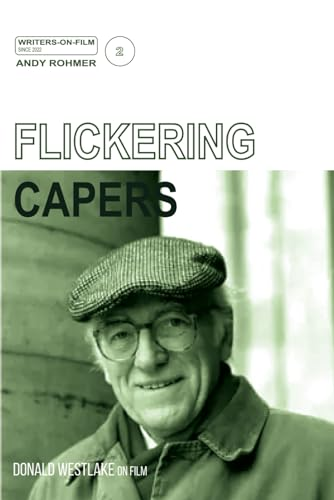
Donald Westlake was one of the most prolific and profound writers of crime fiction in the twentieth century, and a new book by Andy Rohmer provides a comprehensive, highly readable and very entertaining overview of Westlake’s literary and cinematic career. With Flickering Capers – Donald Westlake on Film, author Andy Rohmer looks at every Westlake novel that was adapted into film, comparing the book to its cinematic adaptation. Many of these films will be familiar to both casual and hardcore cineastes. I’m guessing most readers will have seen the delightful Robert Redford caper The Hot Rock, or at least one of the films in Westlake’s iconic Parker series. But how many of you knew that there were also French, German, Italian, Indian and Iranian film adaptations of Westlake’s work? Rohmer takes a scalpel to them one by one, surgically removing the good, the bad and the ugly in each film. Westlake had a lucrative side-hustle as a screenwriter. Rohmer looks at every film based on a Westlake screenplay.
I don’t always agree with Rohmer’s conclusions. He was a bit harsh on The Outfit, I thought. But I was always enthralled by his lucid, witty and insightful analysis. Of the over-the-top plot of Bank Shot, Rohmer opines that ‘Westlake probably pierced his tongue with his tongue writing this novel’. It helps with the cogent analysis that Andy Rohmer is the pen name of Eduardo Ramos, an esteemed Portuguese diplomat well-used to defusing tense international incidents. In terms of film criticism, Rohmer/Ramos takes his cue from the Cahiers du Cinéma school. Flickering Capers is the second volume in Rohmer’s Writers-On-Film series. I enjoyed the first volume immensely, Paperback Celluloid: Elmore Leonard on Film, but Flickering Capers is even better. Rohmer has really found his groove with the series and I look forward to future volumes immensely. In the meantime, treat yourself to a copy of Flickering Capers.
Flickering Capers – Donald Westlake on Film is available to buy on Amazon.
Highbrow Lowbrow: Biopic Edition
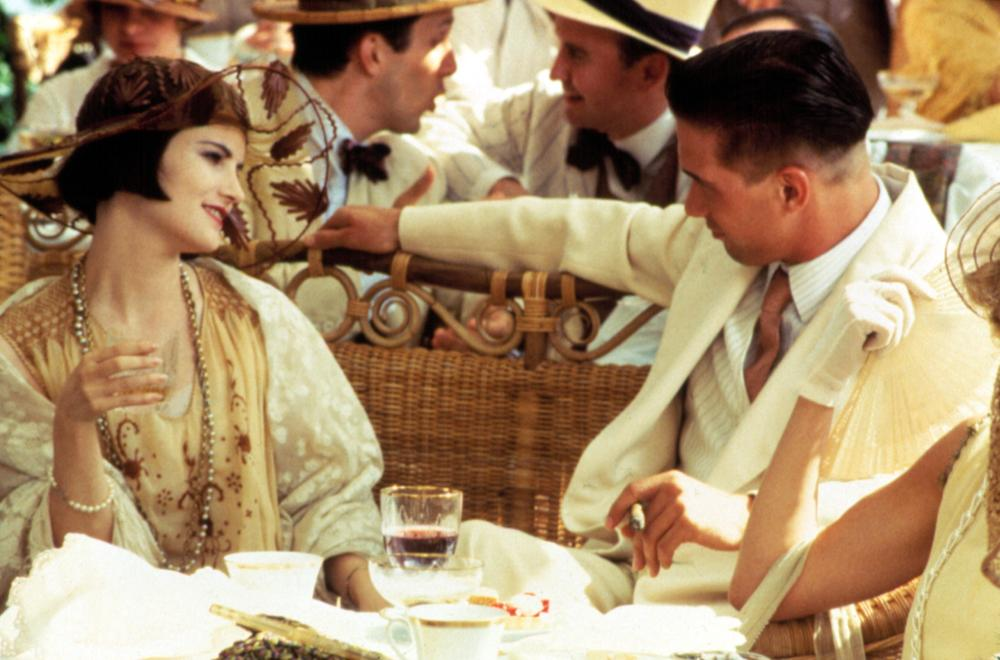
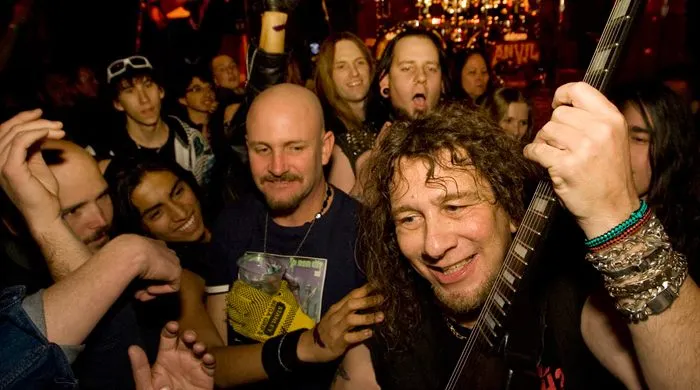
The latest episode of Highbrow Lowbrow is about the life stories of artists. My pick is Alan Rudolph’s fine biopic of Dorothy Parker and the Algonquin Round Table, Mrs Parker and the Vicious Circle. Dan’s choice is the Heavy Metal documentary Anvil! The Story of Anvil.
It’s tough being an artist! You can listen to the full episode here.
Irving Wallace’s THE FAN CLUB
I have started a new vodcast. I’ll be reviewing books, many of them recommended to me over the years by James Ellroy. I’ve picked a controversial but hard to put down novel to start with – Irving Wallace’s The Fan Club. This novel was a bestseller in its day and was a major inspiration on Ellroy. Find out why in the video below, and please like, subscribe, comment, share etc.
Venetian Vase – Best UK Crime Fiction Blogs
The Venetian Vase has featured on a new list of ‘the top 30 UK Crime Fiction Blogs’. Venetian Vase comes in at sixteen. A number of criteria are measured to come up with the top thirty. Personally, I think this blog is what it is because of the readers. It’s your dedication, encouragement and enthusiasm for the writing which keeps me going. Thank you!
I’ve pasted the top ten below. Here’s the the list of the top thirty.
The top ten blogs on the list are:
1. Crime Fiction Lover
2. Crimespree Magazine
3. The CWA website
4. Do You Write Under Your Own Name?
5. Shots
6. The Telegraph – Crime Fiction
7. Damppebbles
8. Crime Book Junkie
9. Crime Time
10. Euro Crime
Short Story – Chicago Juice, Milwaukee Run
My latest short story ‘Chicago Juice, Milwaukee Run’ has just been published in the seminal online magazine Apocalypse Confidential. My previous stories ‘The Beach Blonde’ and ‘Bahamian Rhapsody’ were also published in Apocalypse Confidential, which I heartily recommend as one of the best reads online.
Here’s the opening to the story:
The message to kill me went out at 7:30.
Mayor Faison was a guest of the I-Team on Channel7 Eyewitness News. Three decades in the job, but old Freddy Faison still looks great in front of the camera. Dig those porcelain teeth and Italian silks. Faison was fielding questions from Chuck Goudie. The balls on this guy. The Faison Mayoralty was the most corrupt in the Windy City’s history: a dubious distinction akin to being the worst anti-Semite at a Nuremberg rally. Goudie’s investigative reporters covered political corruption and organized crime. By appearing on the show, Faison was sending a message that he had nothing to fear.
Except he did fear someone. Me. His driver. Terence Baumgartner III.
“Mayor Faison, you’ve been in office for twenty-eight years,” Goudie stated. “Is there any possibility that you won’t seek reelection?”
“You know what they say Chuck, in Chicago the only term limits are how long the politicians spend in jail.”
Cue studio laughter. Yeah, smile you smug cocksucker. Too bad a sex worker and mother of three Jackie DeLaurentis can’t smile. Struck and killed by a police car. Driver exonerated. Then there was Ricky Glover: disgraced journalist turned citizen blogger. Dead by overdose from a drug problem no one knew he had. Finally, there was Harold Tafler. Accountant. Mob associate. Found floating down the Chicago river. Coroner ruled it a suicide. The water’s hard in the Midwest: Two of Tafler’s fingers were broken and his body was covered in bruises. What do these unholy trinity of cadavers have in common? They all worked for Faison and they all tried to rat on him. They had stories to tell about kickbacks, bid-rigging, sweetheart deals, you could even use Chicago’s finest for murder-for-hire, providing Faison got his cut. All work done on the premises.
Faison thought he had plugged the leak, but a rumor was circulating on the street. Tafler had kept details of every crooked deal in a ledger. He had names, numbers, the whole damn thing. Did it really exist? The tough bastard hadn’t given it up under torture. I had the ledger. I had the juice on Faison. Tafler had saved my life, at least for now. But he hadn’t done it for me. He knew he was dead when the Mayor’s men found him. Tafler refused to give up the ledger because he wanted to see Faison get sent down from beyond the grave.
You can read the full story here.
Highbrow Lowbrow: Peter Weller Special
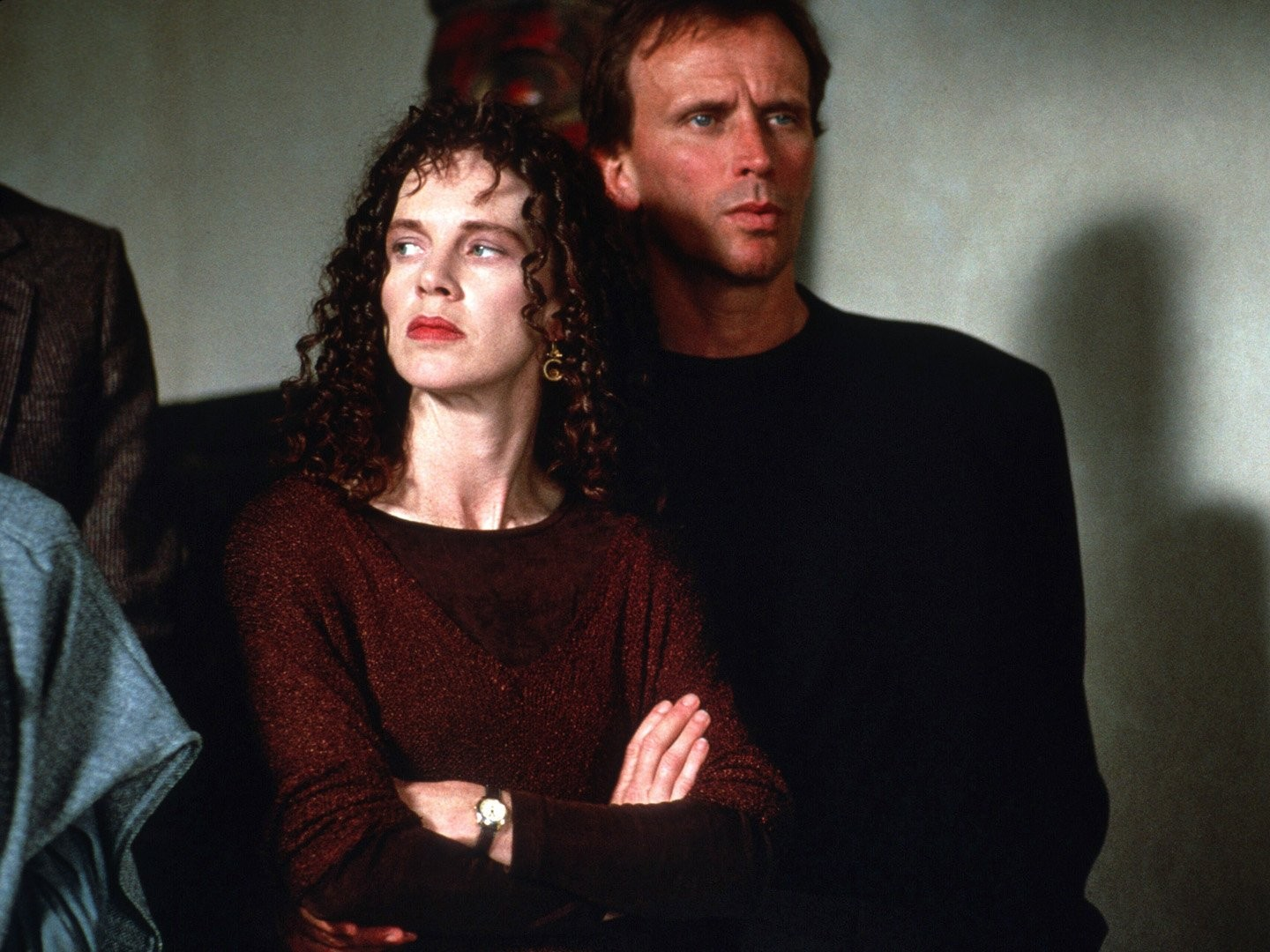
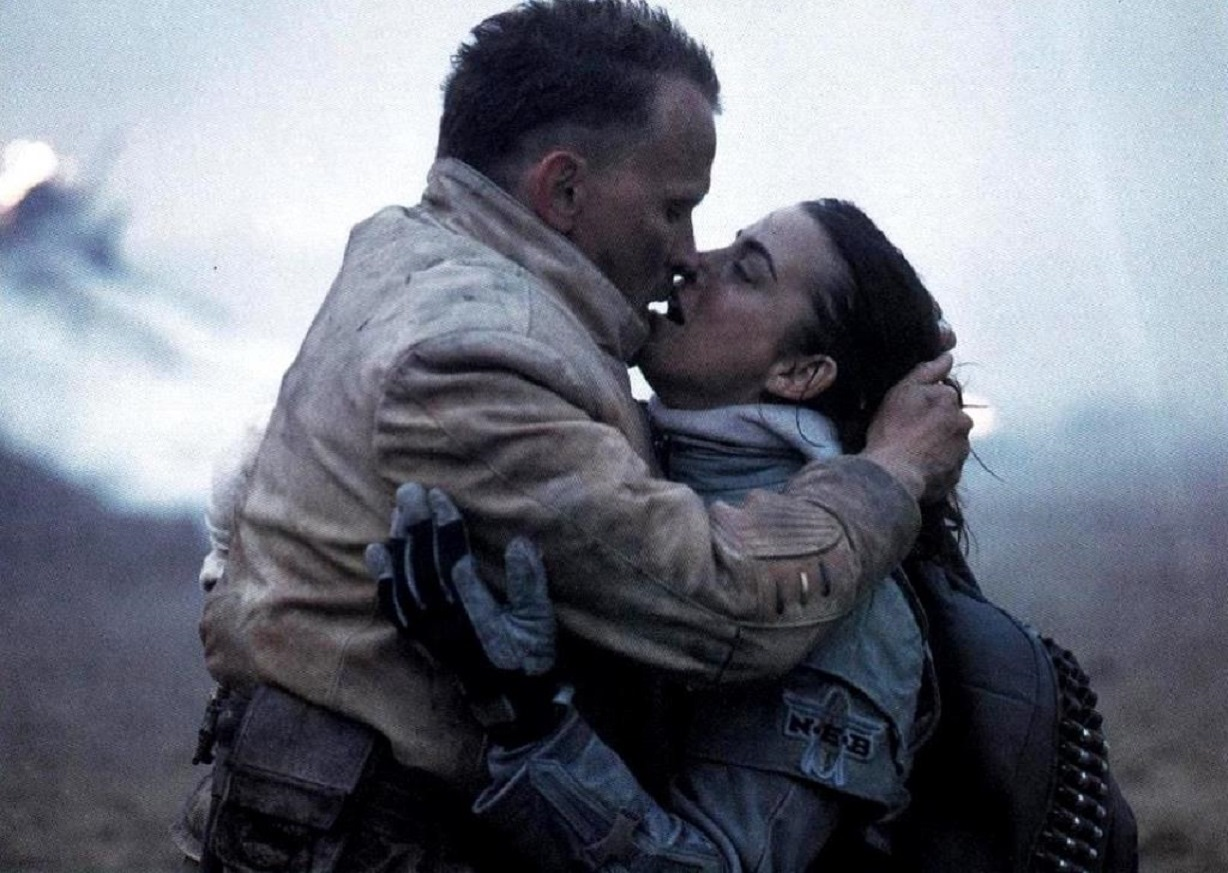
The first Highbrow Lowbrow of 2024 is a Peter Weller Special. We look at two films from the diverse career of the super-talented actor and academic Peter Weller. My pick is The New Age, a scathing 90s satire of Los Angeles’s pretentious yuppie culture. My podcast co-host Dan Slattery discusses Screamers, an underrated blend of science fiction, action and horror based on a Philip K. Dick short story.
You can listen to the full episode here. Enjoy!
Highbrow Lowbrow: Christmas Special
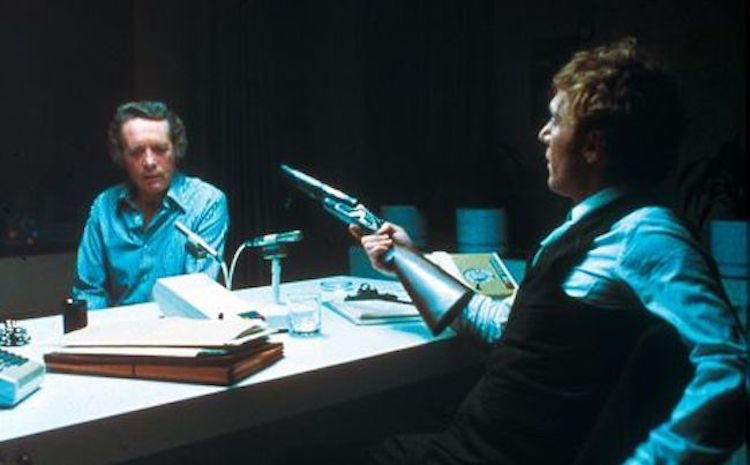
Happy Holidays to all of our readers and listeners! For Highbrow Lowbrow, my podcast co-host Dan Slattery and I have picked two memorable Christmas-themed films. My highbrow choice is Kings and Desperate Men, a hostage drama set on Christmas Eve in Montreal. Dan’s lowbrow pick is Die Hard 2, a movie just as Christmassy as its predecessor, but is it as good?
You can listen to the episode here. Enjoy!
2023: My Year in Review
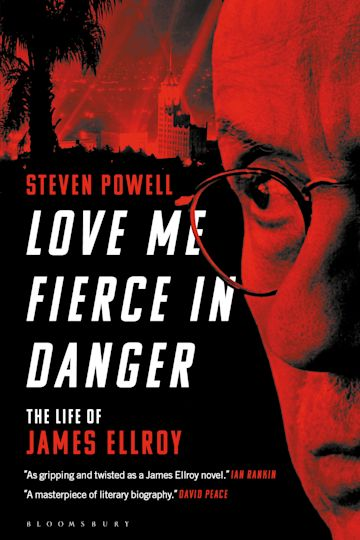
2023 was an extraordinary year that began with the publication of Love Me Fierce in Danger: The Life of James Ellroy and ended with it being named one of the 50 best books of the year (as well as one of the eight best biographies/memoirs of the year) in the Daily Telegraph.
Thank you to everyone who has purchased, read and spread the word about Love Me Fierce in Danger. There’s still time to treat someone you love to a copy of the book as a gift for the holidays. It’s a literary biography which is the perfect noir antidote to the sometimes overwhelming festive cheer.
Some of my other highlights this year were interviews I conducted with the man who would be James Bond – Finlay Light, as well as the wonderful authors, Patricia Marques, John A. Curley, James Rice, Andrew Nette and Iain Ryan.
Finally, it was a tremendous thrill to have two of my short stories, ‘The Beach Blonde’ and ‘Bahamian Rhapsody’ published in the incendiary online magazine Apocalypse Confidential.
See you next year!
Tales From The Mall: After Hours
It was a huge thrill to appear on the podcast ‘Tales from the Mall: After Hours’ with host Brendan McCauley and author Andrew Miller (look out for his forthcoming novel Namaste Mart Confidential). In this episode we discussed the life and literary career of legendary author Ross Macdonald, with special emphasis on the two film adaptations of the Lew Archer novels Harper and The Drowning Pool.
You can listen to the episode on Apple and Spotify.
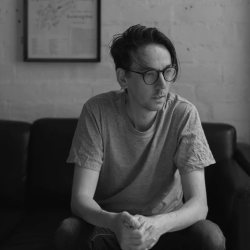
Iain Ryan: Interview with the Author of THE STRIP
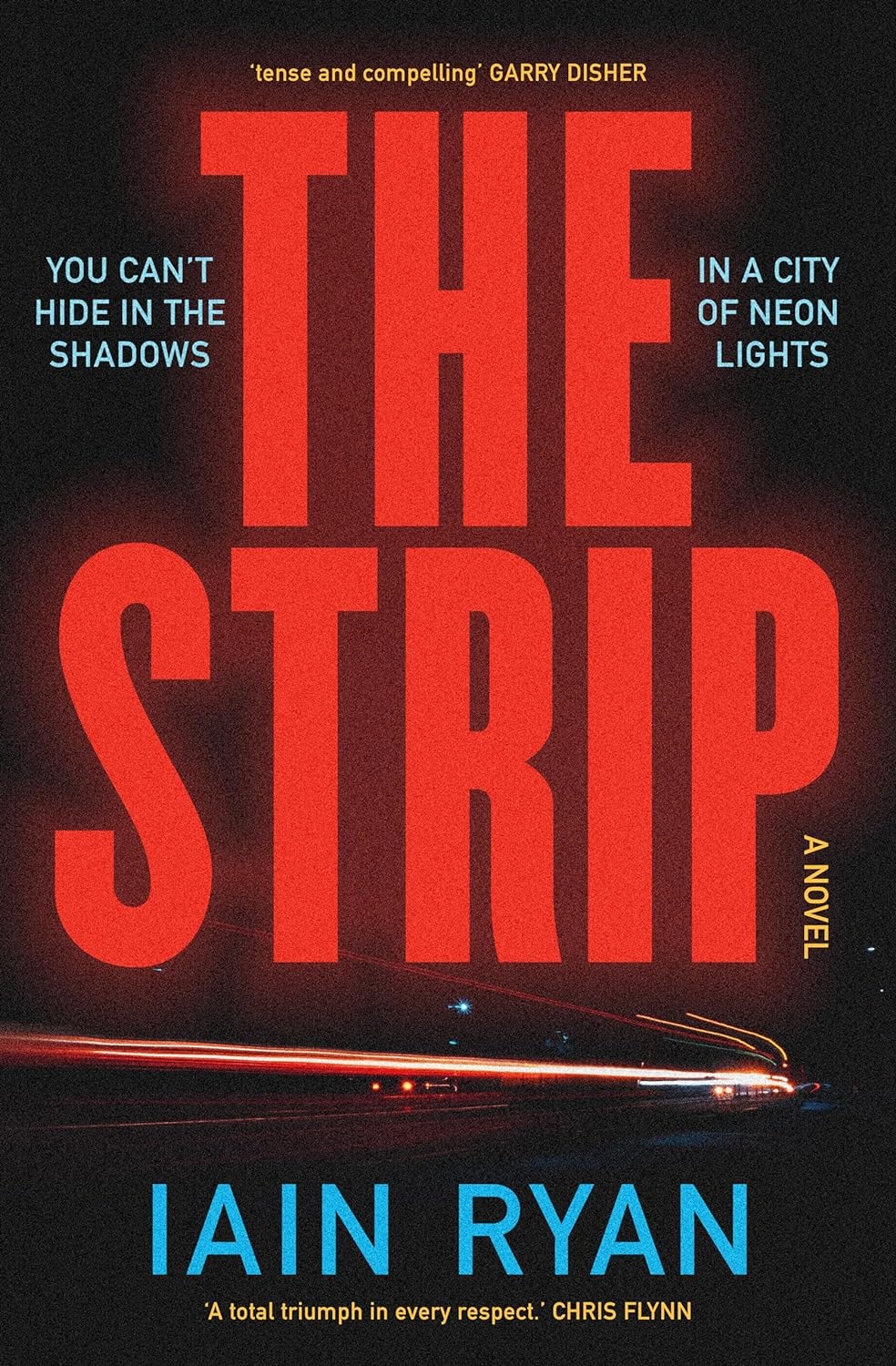
The Strip is the new novel by Iain Ryan. Set on the Gold Coast of Australia in the early 1980s, The Strip begins with Detective Constable Lana Cohen joining the notorious Strike Force Diablo. An outsider to this world of machismo, corruption and casual bigotry, Cohen must quickly establish herself in a man’s world. She is reluctantly paired with Detective Henry Loch, a copper haunted by his past failures who sees the investigation into the murder of a doctor as his shot at redemption. But one murder is quickly connected to a whole series of murders which the local police have been too corrupt or incompetent to solve, and it isn’t long before Cohen and Loch are in danger of becoming victims themselves.
The Strip is one of the best crime novels of 2023. The Gold Coast setting and eighties period are vividly evoked and add a suitably sweaty ambience to the tense narrative which carries the reader along compulsively to final page. Author Iain Ryan grew up in Brisbane and knows the people, places and ethos of The Strip intricately. I had the pleasure of talking to Iain about his new novel:
Tell me about the genesis of The Strip. What first gave you the idea to write this novel?
The 1980s Queensland Police corruption scandal is the very first news story I can remember. In Brisbane—the capital of Queensland—the corruption is a matter of public record, and it is truly wild. We’re talking about absolute collusion between organised crime elements, state government politicians, and the very highest echelons of the Queensland Police. After it came unstuck, the state premier resigned, and the police commissioner went to jail. This was a major media event in Australia. It is the first news story I can remember from my childhood and I’ve been fascinated by it ever since. The Strip is based on a quote I came across during some research about how no one knows how bad the Gold Coast corruption was during the era. The Coast is only an hour’s drive from Brisbane, but the gossip is that it was probably much, much worse. That’s all I needed to get started.
The Gold Coast comes across as Australia’s Wild West—how much of this is portrayal is rooted in reality and what sort of research did you conduct?
I read what little there is in terms of historical writing. Until Matthew Condon’s recent three-volumes of reportage, no one was entirely sure you could talk about this history in Australia without consequence. So my stuff is forever indebted to his research. But a huge amount of the period detail is inherited from archival material, mainly the newspaper. I live in Melbourne and by some miracle, the State Library of Victoria has physical copies of the Gold Coast paper from the 80s.
There is a fine tradition of Australian crime and detective fiction. Could you name some Australian writers who have been an influence.
In terms of Australian crime writers, the biggest two are Peter Doyle and Andrew Nette. I actually met Peter before I read him. We were seated next to each other at a work dinner, and as soon as he heard I liked noir, he started giving me book recommendations. One of those recommendations was Derek Raymond, and this is a testament to Peter’s boldness, he suggested I Was Dora Suarez. Straight to the heart of the matter, ha ha ha. I’ve loved Raymond ever since. When I got to Peter’s own writing, I loved it too. He’s very underrated in this country. He might be the first local writer to really bring (James) Ellroy’s 90s energy into Australian noir. Andrew Nette, on the other hand, is a close friend. He lives nearby. I rate his fiction—especially Gunshine State, also set on the Gold Coast— but he plays a big role in my writing because he’s a fellow traveller. We go to the pub together.
There are other contemporary Australian writers I like—David Whish-Wilson, Garry Disher, in particular— but for the most part, Australian crime fiction is ‘literary crime’ rather than hardboiled noir. For a country with a very dark past, we’re strangely light on the grittier, weirder stuff.
Outside of Australia, you have identified James Ellroy and David Peace as influences. What is it about their work in particular that inspires you?
These two are everything to me. My biggest influences, period. Ellroy is an endless source of fascination. He was one of the first novelists I encountered who could compress a punk rock affect into writing. I know I’m talking about a guy who has a lifelong obsession with classical music, but in 1992 when the L.A. Quartet received trade paperback reissues, they landed in my lap alongside grunge and Reservoir Dogs and it all made the same kind of sense to my 16-year-old self. It all felt really exciting. In the decades since, Ellroy has remained influential. He’s endlessly reinvented his style, providing a broad canvas for other crime novelists to follow.
One of those novelists is David Peace, who took White Jazz and ran with it. Peace’s influence on me is very, very clear: reading him convinced me to try present-tense narration. I wrote my first novel The Student with 1980 on my desk, almost serving as a style manual.
I imagine I’m temperamentally much more like Peace than Ellroy, but we’re both indebted to the master.
One of the most powerful themes of the novel is institutionalised corruption, both in the police force and the church to give two examples. How much of this is a product of the early 1980s setting, and how much still exists on the Gold Coast today.
I’m no expert on contemporary policing in Queensland, but the entire state is different now. The end of the 1980s into the 90s saw huge cultural changes in Brisbane, in particular. The city went from something resembling a police state to a regular metropolitan centre throughout the late-century period and now, Brisbane is a regular Australian capital. There’s just no comparing what was with what is. It’s a pronounced, dramatic shift. From afar, the corruption these days just seems like the routine degradation of advanced capitalism, rather than what once was: a formal system orchestrated by occulted bad men.
Finally, what are you working on next?
I sincerely hope to do another three books (at least) in the series. I’ve written and submitted the next one, and by the time this is published I’ll be deep in the outlining for book three. It’s a bit of a wild ride—I still have a full-time day job— but it’s literally all I’ve ever wanted from writing and the challenge of it is pretty enticing.
The Strip is published by Ultimo Press.


