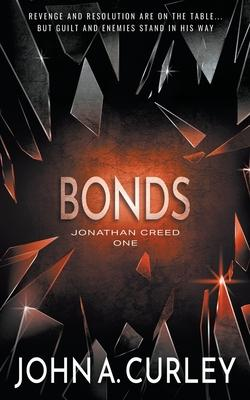
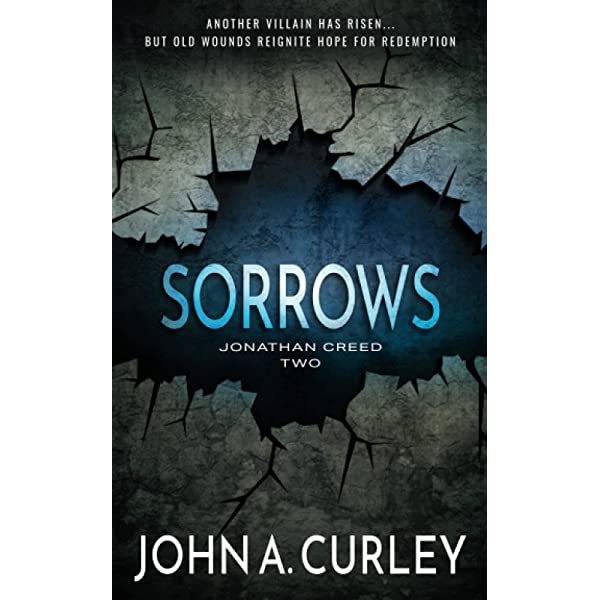
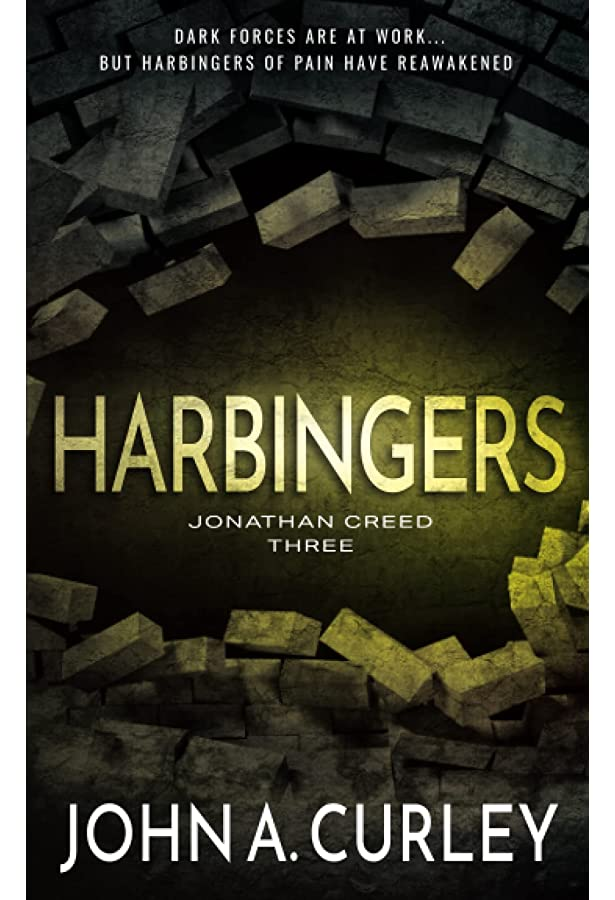
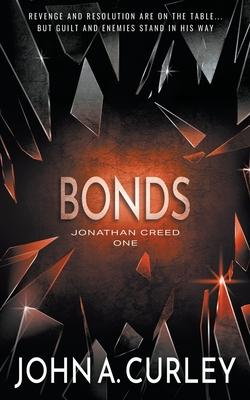
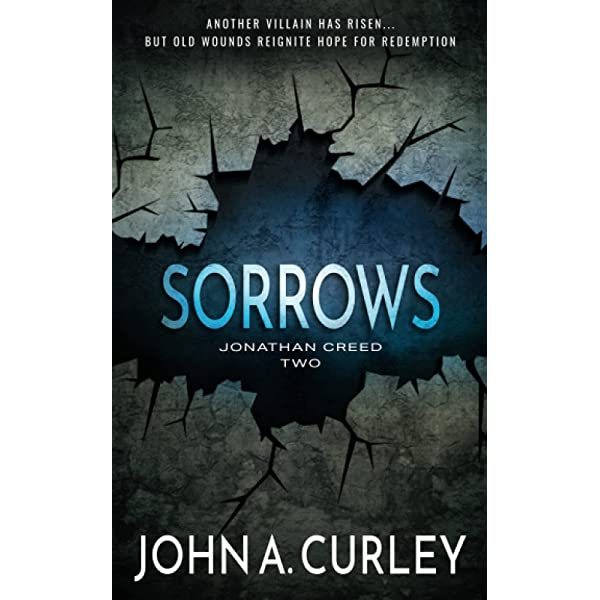
John A. Curley is an author and private investigator based in New York City. His crime novels Bonds, Sorrows and Harbingers featuring PI Jonathan Creed are vintage hardboiled tales in the mould of Robert B. Parker and Mickey Spillane. Child Protection is a key theme and the Creed novels, like Andrew Vachss’s Burke series, are noted for their authenticity as Curley has brought his own experiences and used real cases as a basis in his fiction.
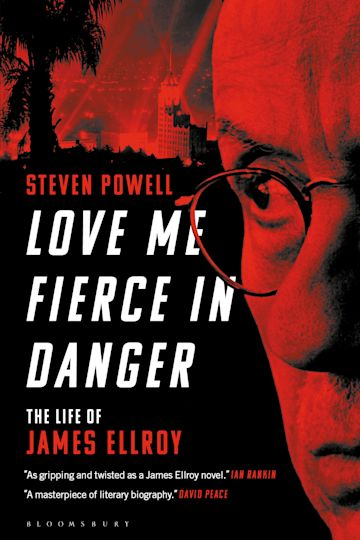
Curley and Andrew Vachss were both friends and colleagues, sharing a mutual interest in child protection. But to call it merely an interest would be to do both men a disservice. For Curley and Vachss, making the US a safer place for children was nothing short of a lifelong vocation and quest. This is why I first began talking to Curley and subsequently started devouring the Creed novels. I had interviewed Vachss when I was researching Love Me Fierce in Danger: The Life of James Ellroy, and I was eager to hear about Curley’s memories of Vachss who sadly died in November 2021.
Curley is an absolute joy to interview. Most authors are quite guarded as they prefer to play the publicity game, and rarely stray into other topics. Curley tells you exactly what is on his mind. He’s a New Yorker through and through, and although this part of the interview was designed to be more about the Creed novels, he still talks about Vachss a lot as Vachss’s influence on Curley’s life and work as both an author and a pioneer in child protection has been so comprehensive.
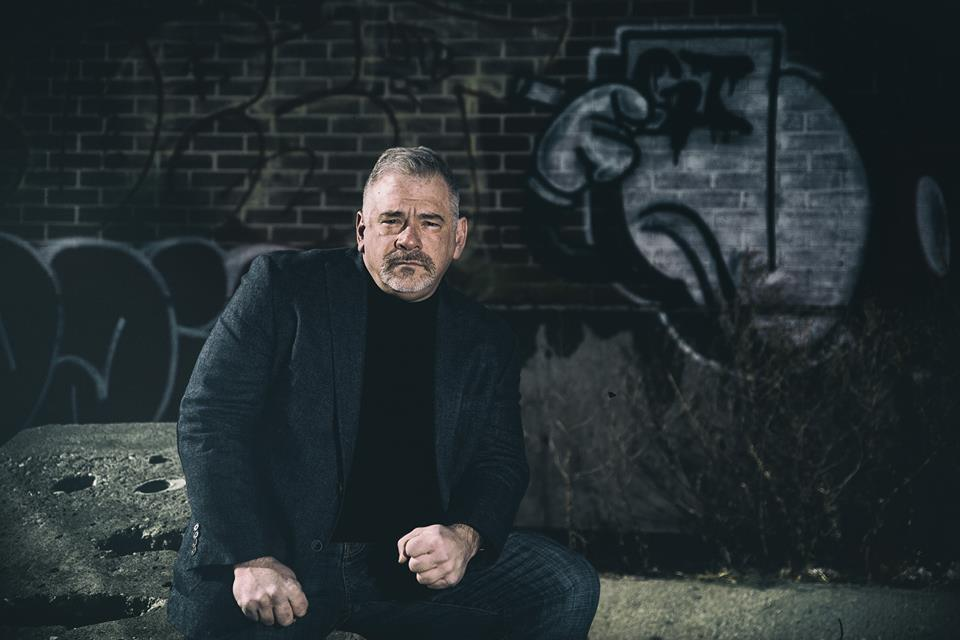
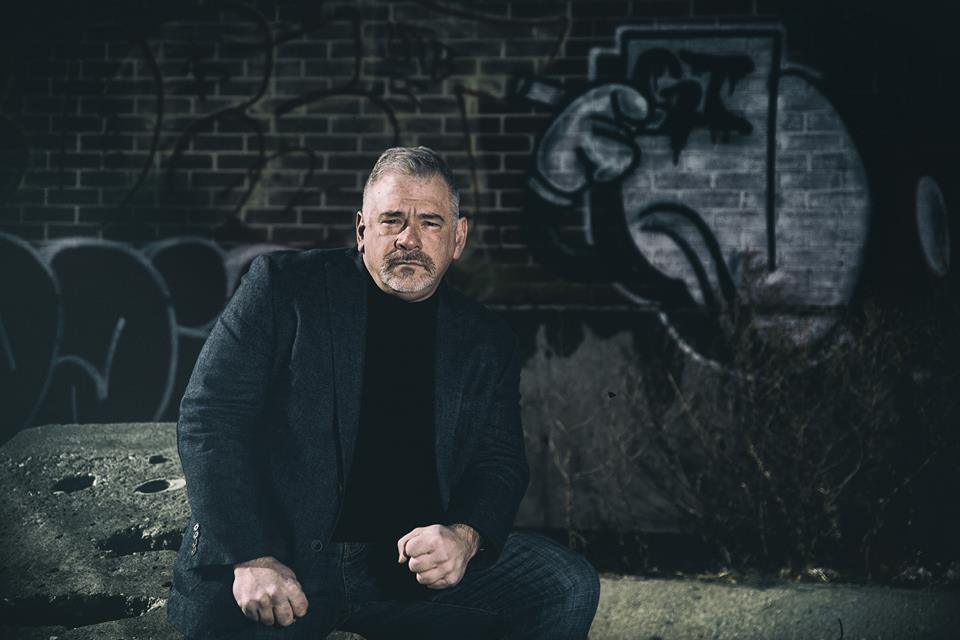
John A. Curley
Curley: Andrew Vachss told me that I reminded him of something he wrote in the short story ‘Mission’. There was a real-life parallel between myself and that character and the reason we’re talking from here, and not a prison cell, is when I found out that someone had hurt this child he (the perpetrator) wasn’t where he was supposed to be when I went for him. It was just very similar to the story, and that inspired me.
Years ago I had written a horror novel. Back in the Nineties it was supposed to be published. My cousin worked for a publishing house. She read it. She thought it was great. She was going to bring it to her boss. And she went on vacation and had a stroke and lost the only copy. So I kind of threw writing away at that point, and that interaction with Andrew inspired me to write again. So I wrote a short story. Put it on Amazon. I made a posting about it, ‘Andrew, you inspired me to write this’, and then he didn’t respond. So I was going to take it down. And he responded a day later. ‘Wait, you wrote this. I don’t have a Kindle, but I will get a Kindle.’ and I said, ‘I’ll send it to you’ and I sent it to his website. About a week later, June 5th, 2015, I’m walking out to work and he calls my cell. ‘You did some good writing here, but you gotta fix a few things. You got some time to talk?’
I said, yeah. I texted my secretary that I won’t be in, and we had a two hour writing class. When he would say I did something good, I’d go. ‘I really did something good, Andrew?’
He’d be like ‘John, if I gotta stop to reassure you every time I tell you you did something good. I don’t have that kind of time, Kid. So you want me to tell you what you could fix?
In 2015, I sent him a short story based on an experience I had when I was a young PI and there were shotguns pulled, and it was terrifying and I used that. Everything I use, except for the Satan worship aspect of Harbingers, about children being hurt is either something a ‘Child of the Secret’ has told me about or something I’ve experienced. So I wrote this short story, and the characters have to threaten somebody, and they rack the shell into the shotgun chamber, and I write something like there’s no sound that brings quiet to a room like racking a shell into a chamber. Because even if you don’t know about shotguns, if it’s in your general direction, you’re finished if he pulls the trigger. But in the next paragraph I wrote the truth. This was done for effect because no professional walks into a room with an unloaded gun. It just doesn’t work like that, and he called me. My wife came running downstairs and said, Andrew Vachss is on the phone and I said, ‘What’s up, Papa?’
He said, ‘You did something that is genius. Nobody’s done that. Not Hammett, not Chandler, not Parker.’
And when he said that a chill went down my spine, and I said, ‘Papa, that’s some pretty amazing company you just put me with.’
He goes. ‘It’s fair. No one’s ever done it.’
He had that quality, Steve, if he considered you a protege or a pupil. I have a self-deprecating sense of humour. I do have a massive ego. I try to curtail that with self-deprecating humour.
I said, ‘You know me, Andrew, strong as an ox and almost as smart’ quoting one of the Spenser novels.
And he was quiet for a second, and he said, ‘Why would you say that John?’
‘What do you mean?’
‘Because you’re a smart guy. You’re handsome. You speak well. You get people’s attention. Why do you put yourself down like that?’
Later on I would tell him. ‘Look, I do that so people are more at ease with me. I don’t want them to see the other side. It’s not that it’s fake. I can laugh at myself. I take what I do seriously, but I don’t take myself seriously.’
He said, ‘Well, you have a lot to offer John. You might want to remember that.’
And that’s Andrew to me. (When he died) it was like I lost my father again. People have always asked me, Did you do badly without your father? And obviously my father had issues, but at heart he was a good man. And I would say no, as much as I miss him. I’ve had many fathers step into the role from my friend Sal’s father, who treated us like we were family, to my first Martial Arts instructor to guys when I was in my early… I started working as a PI before I was 21. It’s just something I wanted to do. In fact, I’ve just had my thirty-sixth anniversary on March 13th, and I’m still doing it because I can’t sing or dance I guess.
Powell: When you first created Jonathan Creed, I can hear a lot of him in you, the sense of humour and everything. But I presume you didn’t want him to be a carbon copy of you?
Curley: There are differences. I’ve had a lot of people say to me, is that a biography? No, we do have some of the same likes and dislikes. I like a good cigar and some port wine. I get to have a little fun with Creed, because in the real world there are highs and lows with business. His business is constantly successful. I also get to communicate what I’ve seen through him, so there are a lot of parallels. But we’re not exactly the same. Creed is strong, and you can’t do what I do and not be strong. You go grab a girl before she’s sold (to the sex trade), and when the cops get there they put her in the ambulance. And the cop says she’s asking for you because she knows you’re here, and you got her out. And you sit there, and you listen to what the gang did to her for the last three days. You take that shit and you pull it inside. Creed can deal with that stuff a little bit easier. But by the same token in the first novel (Bonds) he’s shot. He loses a couple of people he really loves and you don’t just bounce back from that. I can’t have that or the guy’s Superman. So there are a lot of similar experiences there. He’s still catting around in his forties. Love hasn’t actually worked out for him yet. He’s what I wish I could be if the world worked a little bit better. But there are definite differences, and we’ve shared some of the same pain. In Sorrows, Creed and Todd are not getting along, and I have known plenty of guys like that, and they’re spiralling down to a confrontation.
I was extremely fortunate when I was signed by Rough Edges Press. I think there is great value in crime fiction. I believe that it does act as a vehicle for social change, but real social change. I think a lot of the younger generation now are missing the role models. I read the Spenser novels when I was ten. I’m a product of what you get when you read Spenser novels and then become a PI. I discovered Vachss in my early twenties and knew immediately, just from my limited experience, what he was doing was real. My editor at the time was James Reasoner who’s written over 400 novels. He’s a legend. He’s written Walker Texas Ranger Novels, the Lone Ranger. He’s written PI fiction, Westerns. The guy’s an incredible writer. He’s a brilliant man, and I was in a conversation with him and I said, ‘I don’t want to kill somebody in this book.’ And he said, ‘Well, we don’t want to piss off the fans, but you need something super intense.’ At just about the same time a friend of mine who’s a columnist out in the Midwest, Steve Brown, Great guy, Scottish. Brilliant man. Degree in anthropology. Taught English all over the world. Has run waste management plants. There’s this movie called Darker than Amber.
Powell: You reference it in the novel, the fight at the end?
Curley: That looks real! I’m a guy who’s been punched. So I know what’s real and what’s not. And then I’m curious so I look it up. William Smith, he was a bodybuilder, a martial artist, he’s an ex-Boxer. And Rod Taylor – tough amateur boxer. The very first take one of them breaks the other guy’s nose, and the next take the other guy breaks his three ribs, and they have to be physically separated, and as I’m watching this, Oh God, it’s not something I talk about often. In 1988, I’m working for a company. Guy calls me, do you want to make 100 bucks? Husband beat the wife. All you gotta do is sit in her living room. He’ll be in jail. Don’t worry about it. The guy was an ex-cop. I figured he knew what he was talking about. So I’m young, I’m strong, I’m doing boxing and kickboxing at the time. I got my little overnight bag. Go to Queens, go bebopping into this woman’s house and I didn’t have any experience, or I might have seen the husband sitting in his car watching the house. And I might have been prepared when the front door exploded and this man, who is twice my size, has been a gymrat his whole life, a powerlifter. The door exploded this big 6’4 (man yells) ‘I knew you were fucking somebody’. My God, the horror of that! I haven’t talked about that for years. It’s funny now, but it was not at the time. When I was boxing, and when I was training people to do boxing, there was a rule. You never use a white towel because you put the white towel on and they look at the blood and freak, because there’s so much of it. I was wearing a white dress shirt, and I knew it took the cops seven minutes to get there, because by the time they got there we were both on the floor. I was just starting to get up! And the cop helped me sit up against the wall, and he’s out, and they’re trying to cuff me, and the wife is screaming, ‘That’s my bodyguard!’ And the house is in complete disarray. Everything’s broken. There’s blood everywhere, mine and his and I’m looking up at the ceiling and there’s blood ON THE CEILING! I can’t figure out how it got there! And then I look at my shirt and I look like a Jackson Pollack painting. It looks like somebody threw a bucket of paint on me and a cop couldn’t get me to tell him what my name was, because I couldn’t recall it. He said, ‘You’re going to the hospital.’ And I took that and I started remembering it. I’ve said this before and I’m not ashamed of it. I used to keep tabs on this guy. That’s how much it impacted me. He died in 2014, because at the time I was in my early twenties and he was close to 50. And I was happy. I was happy that there’s no chance of round two happening. They let me out of the hospital the next day with a concussion. He was in the hospital for three or four days, because I got his kidneys a little bit, and he was bleeding.
So I took that and I put it in Sorrows. I’m not going to tell you who wins. Even Creed would not be ashamed to lose to a guy like Todd, as much as he doesn’t like him. We have a saying – Contempt will kill you. Just because you don’t like somebody, does not mean that they are weak. That’s very wise for people to remember. Now I’m re-emerged in this horrible memory. Thanks to my friend Steve, telling me about that movie, and I put that in the book. But then what I’ll do is send it to all of the violence experts I know and I’ll get their feedback. What do you think of this? And overwhelmingly they said it was awesome. When you’re talking about tasting the blood at the back of your throat when your nose gets broken. And all of them said, so when did this actually happen to you? And I would write back, How did you know? And they responded, Nobody writes like this unless it’s happened to them.
So I do try to keep it as real as I can. I think you can entertain people and be real at the same time. There’s nothing wrong with this. I love Die Hard like the next guy. A friend of mine is an actor, Patrick Kilpatrick. He’s been a bad guy in every movie in the Eighties and he’s in a great movie with Bruce Willis called Last Man Standing. I told him you were so good in that movie that I will forgive you for getting picked up by a .45 round and thrown out the door. A little thing about physics, if your bullet was to knock somebody backwards it would knock you (the shooter) backwards. That’s not how it works in reality. Also the greatest movie line in history which he (Kilpatrick) sets up. He says to Willis, ‘I guess you’ll have to kill me’ and he says to him, ‘It’ll hurt if I do.’ Great line. I have that stored in my head. I’m waiting to use that for the right time. You can watch a movie like that, or read a book like that to be entertained, and there’s nothing wrong with that. But for me, I can only write what I know. If it’s not me, it’ll be something close to me. I’m counting on 36 years of experience.
Powell: Do you see the books as being kind of educational about the work that you do, because I didn’t know until I read Vachss’s Burke novels that there was a whole vernacular that had been built up around child protection. ‘Transcenders’ and ‘Children of the Secret’. I was unfamiliar with these terms.
Curley: I can’t do that like he can. I don’t think anybody can. I wouldn’t put myself in his class, but that is my goal. I do want to write truth through fiction. Like Vachss, I am overly acquainted with the justice system. We don’t have a justice system. We have a legal system. People don’t understand that, yet it’s to their peril. I try to give them snippets of it. A homicide case I’m working on. A lawyer calls me. His name is Pat Brackley. I regard him as one of the best criminal attorneys I’ve ever worked for, one of the best in the city. He calls me. I had just had shoulder surgery on my right shoulder, and I wasn’t allowed to move it for three months. It was a Saturday. It was raining. He calls me and says I got a homicide, and that’s music to my years because I don’t get disability (benefits), I work for myself. ‘Great, I’ll assign one of my investigators to it’.
He’s says ‘Well, I kind of need somebody in the Bronx tonight.’
I look out the window and it’s snowing. It’s Saturday at 4 O’Clock. I have six blankets on me, a heating pad, my sling and I’m watching Spongebob. ‘Pat, do you think I sit around waiting for you to call, or that I have guys in glass cases and I break it for them to come out. I need time. When is the jury selection?’
He goes, ‘The jury is already picked’, which means it’s going to trial on Monday. Here’s the problem. The jury was picked on Thursday. On Friday the DA, this is the prosecutor, sends him a letter saying ‘There was a homeless guy up in the Bronx named Jose who frequented that neighbourhood in the Summer three years ago, and he supported your client’s account of the shooting. I’m sorry we forgot to tell you about this.’
Ask me how many times something like that has happened, and I’ll tell you almost every friggin’ time. People don’t get that until they’re sitting across from me and they’re jammed up or their kid is jammed up, and they say I can’t believe that the system is like this. By the way, I found Jose and had him in court, and we got a hung jury on that (case). Our client, who is a drug dealer… I make no apologies for that. Due process is an important but difficult principle. He wasn’t on trial for being a drug dealer. We would all be better off if he was in prison. But he’s on trial for murder, and there was no real proof he was a murderer. He decided he wanted to lower our fees, and so the lawyer said get another lawyer to represent you when they retry you. We had basically gotten the victory. The legal aid lawyer he got did not do as well and he’s in prison right now. You see things like that. It’s not all of the time. Most of the time the cops are right. 95 percent of the time they are right when they arrest the people that they arrest. There’s a figure going around, two percent of the people currently incarcerated aren’t guilty. The first thing you have to do is separate them from people that are guilty of other things, but just happened to get nailed on this and they shouldn’t have. But they’ve done three other killings. Those people shouldn’t be there but who cares. Even if it’s just one percent of two million, that’s a lot of people that are locked up that shouldn’t be.
If you can tell the story and make people understand that this is what happens, and at the same time you can entertain them. And thus far, judging from the hundreds of messages I’ve got and some of the reviews I’ve got, I’m succeeding. If you can do that, then that to me is a worthwhile effort, and obviously there’s a mercenary aspect to it. The primary goal here is to bring attention to what’s wrong with the system. I have adopted Andrew’s viewpoint. I shared it even before I read it. He said, ‘The most important case I work on is not a homicide per se. It’s when someone is accused of abuse, or there is an allegation of abuse, and the judge makes the wrong decision.’
The way the system works is when you are arrested and charged with a crime. Nobody cares whether you did it or not. Not the prosecutor and not the defence, because now it’s the prosecutor’s job to put you away, and it’s the defence’s job to get you off. That’s the system. Shouldn’t be that way, especially with children. People have asked me, how could you work on a case where someone’s accused of child abuse? Easy. You just said the word. They’re accused of it. Andrew himself acknowledged the prevalence of false accusations. He would often say ‘if you don’t think children lie then you haven’t spent a day in family court.’ It was his job to get through the lies. That’s why we need law guardians to have someone specifically looking out for the child. My clients know, by the way, I’ll do anything I can to help you but if I find out that you raped a child, I’ll withdraw from the case. I can’t talk about it. I’m working for your attorney, but I’m not going to pull any strings. I’m not going to work any miracles for you.
You wouldn’t think that the problem would be prosecutors. But as prosecutors, most of them have designs on political careers. Once they’ve determined you’re going to be tried you’re a notch on their belt. If you give them a plea which could end up destroying your life, that’s a victory to them and they run on their records. Now you’ve got these idiotic, progressive prosecutors. There’s ten witnesses that see this old man, an elderly man in a deli, get beaten up by a much younger guy, and the old man stabs him in self defence in front of witnesses, and the prosecutor locks up the old man. That’s damage now that’s going in a whole other way. And the people that stand between them and the wrongfully accused are the criminal defence attorneys and the private investigators.
In Bonds there was a child that died. In the real case the child didn’t die. We actually saved that child, but the forensics came back and the judge said, ‘Well, I don’t care how bad these forensics are, the father needs to spend time with the children.’
Oh? He’s a sadistic, evil person who beats the mother. Joint parenting. But you know what, If you could work things out with your significant other to the point where you were both being reasonable, you’re probably not going to be in family court. I’ve seen judges, the woman will stand there with a black eye and broken nose from the husband or boyfriend beating her up, and the judge expects them to co-parent. How does that happen? If I see these things, there’s the drama. It might be a little bit more intense. It might be a little bit more concentrated, but there’s nothing that I have written so far in these novels that can’t happen. Even the aspect of the third book which deals with Satanic crimes. In real life Satanic crimes are extraordinarily rare and when they do happen, what you usually find are freaks who enjoy hurting children and they’re using that to mask it. So everything that I’ve written thus far is accurate. The new character I introduced in Harbingers is Hamilton. He lives the first eight years of his life under the stairs, and he is repeatedly raped on video with his parents doing the filming. And people will say to me, as they did to Andrew, that’s just dark fiction. No, that’s the actual story that I was told by someone and I verified.
It’s also important to me if I’m going to give you that horror, then I need people to know that there are still heroes. Chief Mariano is modelled, with his permission, after my partner and very good friend Mike Marino. There’s a great article about Mike in New York Magazine. I look up to this guy. He’s got the balls to be the first man through the door, but he’s got the brains to know when to go through that door. My other partner, Ron, who’s a retired Navy Seal, regards him as he would an Admiral. Mariano is modelled after Marino. I need people to know that there are people like that as well. Mike is somebody who spent his life protecting people and doing the best he could to keep crime down, and he wasn’t a guy that did that from behind a desk. So when you read about those characters, rest assured there are people like that walking around. I’ve sat down with them and I said, ‘Listen. You have qualities that I admire. I would like to base a character on you. In order for me to do that you have to agree that it will be my interpretation of you.’ And they give me their consent. So I’m trying to let people know that there are decent people like that out there still fighting.
We all need to talk to each other. In Sorrows, both political parties are revealed as not being good which is the truth. Andrew would laugh when someone would say, is the right or the left the party of children? He would rattle off ten things that the party did that actually hurt children. Politicians are for the most part sociopathic litmus papers. They change colour to whatever they’re dipped into. You gotta watch TV and hear these people talk, and you just go, ‘My God, who do they think they’re telling this to?’ Anybody that has loyalty to a political party…(sighs). You have loyalty to your friends. You have loyalty to your family of choice. That’s loyalty. Mike calls me at four in the morning, ‘I got a problem.’ I’m there. My friend Clint calls me and says, ‘I need help.’ I’m on a plane. That’s loyalty. You don’t owe that to a political party. They owe it to you. If we can ask them. If we can tell them, Keep your cushy job. Make your pension for working two months out of the year but protect our children. Then we could get it done. That was what Andrew devoted his final days to, and that’s what I’m trying to broach with the books as well. So I’m doing all that hopefully while entertaining people.
Powell: There’s the famous photo of Andrew standing behind President Clinton, as he was signing legislation into law. But you told me in an earlier conversation that Andrew became quite cynical about that particular act.
Curley: Yes, the National Child Protection Act required that States that receive Federal assistance for their court system must appoint a legal guardian for a child where abuse is suspected. The person that is accused of the abuse gets a lawyer. The child should get a legal guardian, and there’s a plethora of reasons. He can say it much better than I, he’s written articles about it, why it should be a legal guardian and not just a caseworker. Less from having to do with what the court wants, and more from having to do what is good for the child. Andrew was famous for that. A lot of judges didn’t like him because he didn’t care what they wanted. He didn’t want their court to move faster. He protected the child. Something people don’t know about him. He had 57 judges find against him. He appealed all of them, and he won 56 of them. Judges don’t like that. So he didn’t have a lot of friends in the judiciary. I know law guardians here in New York and ask them, ‘You ever appeal a case?’ And they look at me like I have two heads.
Andrew Vachss (back row with an eye patch), Oprah Winfrey and President Clinton
They got this whole thing together. Oprah Winfrey was involved, and Clinton was supposed to fix those two words and make it a legal advocate, but he failed to do so. It looked like it was going to go through and it didn’t. Andrew said to me, ‘Clinton wrote a couple of pages about me in his autobiography, but didn’t put down how the act failed to accomplish what we needed it to accomplish.’ And he’s right, and that’s on the Republicans by the way. The Child Protection Act was passed by them, and it gave rise to this entire industry of take a three day or two week course and now you can go out and investigate child abuse. It doesn’t work like that. A legal advocate, if they don’t represent the child properly, can be sued for malpractice. They’re not under the judges’ sway. They get paid, no matter what.
But there have been victories also. There was the incest loophole in New York. What that said in layman’s terms was you rape a child, you’re a monster, you go to jail for twenty years. You rape your own child, sentencing was akin to adultery. Robert Morgenthau was the DA in Manhattan for about forty years, and Andrew wrote an Op-Ed piece in the New York Times saying why the incest loophole had to go. Morgenthau wrote back the next week saying, ‘oh this is bullshit. It’s never actually happened like that.’ And because Andrew was Andrew you could argue with the man, but make sure you’re right. Because the next week, he responded in the New York Times and listed a whole bunch of cases where people raped their children and got a slap on the wrist. and then you didn’t hear back from Morganthau. He also sued the Fresh Air Fund when one of their counsellors was raping children and someone in Morganthau’s family was involved, and he would not step back from that. So Andrew didn’t care. His thing was the kids, and he had rules. He never violated his rules, and that’s how people knew they could trust him. That’s hard for anybody to say with a straight face. I wish I could say I’ve never broken a rule. Sometimes you’re given a whole bunch of shit choices, and you just take the worst choice when all your rules come into conflict with each other. When it came to children, Andrew never compromised. You didn’t have to make friends with the judges. That was his strength, and the kids knew that they could trust him.
Powell: Describe your latest book, but also where your career is going next as a writer.
Curley: A lot of that, ladies and gentlemen, has to do with how well the books sell. You’re a writer, so you know getting published itself is a miracle. I have a good friend, Brian Drake, who writes Scott Stiletto and a bunch of great characters, who was talking to me and who admired Andrew, and he brought me to the attention of the publishing house. Which, by the way, makes everybody that I know that writes hate my guts. When I wrote Bonds I had it in my head – write a novel, stay within the confines of the genre, kind of delve into what Andrew does. I didn’t think it would be good enough to publish. So as a lark I sent it to five places. I sent them the book. Three of them sent me a form letter saying we’re not taking submissions. A wonderful lady wrote me back, her and her husband read it. She said to re-edit it, but it was great. We only do Agatha Christie type of fiction, not noir. Some jerk at a publishing house in Boston wrote back, ‘It’s all cliched and we are only interested in cutting edge fiction.’ And I read that and I was annoyed. Look, it’s not the next Maltese Falcon, but I know I’ve paid for stuff that wasn’t this good, and writing is subjective. But I was angry. And there’s that male ego we mentioned, and I turn on the computer I look at this guy and guess what, before he had a publishing house which published some of his own novels he was a writer for Diagnosis: Murder. And he’s telling me not to be cliched! I’m not gonna have some overweight desk jockey who lives with his mother tell me what’s cliched. The next time I got a murder case or a kid getting abused, ride around with my investigators and tell me if it’s cliched language because that’s how we talk.
And of course, Andrew, when I told him this he goes, ‘Why would you do that?’ And I said ‘I had to get it out of my system.’ He said ‘Good, because if you don’t get it out of your system you’ll be writing that all day long.’
I do believe Sorrows and Harbingers got better as I went along. You find your rhythm. All of a sudden my friend Brian mentions me (to the publisher), we chat a little back and forth, and I’m published. I’m pretty sure there were contracts taken out on me. I send my neighbour to start my car in the morning. I just tell him, ‘Look, I have trouble walking today. Could you start my car?’ And he’s like, ‘If you think somebody is going to blow it up, John, I got one of those remote control starters.’
I hope that it’s going to continue. I have a lot that I want to say. I’m not Andrew, I can’t write like him, but I believe I write well enough that people will appreciate it, and thus far the reaction is that they do. I grew up on the Spenser novels. Spenser was iconic. He stood for what was right. He knew how to fight. He knew how to shoot, but that wasn’t what he did as a choice. That’s a good role model for a kid, because we do have a somewhat violent world and sometimes those things happen. But here’s a guy that uses his brains. I watched what Ace Atkins did with the Spenser character. He starts off. He makes a few mistakes, and Parker would make mistakes because he’s an English professor and not a not a PI or anything. Hammett was a real detective and he had a slight edge over Chandler. Marlowe was almost celibate. You could read a Race Williams novel, remember him? First PI novel. I’m re-reading them. And if you replaced a little bit of the language, added cell phones and made the substitution of the fascists for Antifa it would be (set) today. It would be real. There is truth in crime fiction. There is truth in noir. It’s real. It’s a valuable asset, especially for kids. In the old television shows those characters were the same as in the books. They didn’t kill people unnecessarily. They tried to help people. We should all be trying to help each other. To this day the Mortgage Company ain’t always happy that I do more than my share of pro bono work, or I take money on a case which I have to because it’s how I make a living, and it’s not what I should take on the case.
People don’t understand how much work goes into it. There are issues we need to explore. I had a client who had an adult child who was mentally ill with multiple diseases diagnosed, and had attempted suicide three times. But now because he was over the age of 21, they don’t know what to do with him. And that’s kind of one of the books that I’m working on now. It goes into that. This kid should be confined, and having dealt with him and he’s not a threat always. But if he’s not on his medication he’s going to end up one of those people that pushes somebody in front of a subway car. It’s gonna happen. My partner is 6’5 and well over 300 pounds and he was a Navy Seal, and the kid was ready to launch himself at my partner. As you can imagine, I wouldn’t… unless I had brass knuckles, or I was hitting him when he wasn’t looking and I can hit. That’s not something you want to do, and he was armed. The kid was not based in reality at the time. We have to do something with those people. At the same time we have to balance that by not taking away people’s rights. So what do politicians do? They put band-aids on, and it shouldn’t be that way. These are things that we can explore in crime fiction like no other genre. I’ve made postings and written articles and told people – get a book, a Spenser novel. It doesn’t have to be one of mine. I’d appreciate it if it was. If the kid’s a sophomore in High School, he’s ready for it. There’s not gratuitous sex in it. Like Spenser, unlike Burke, you don’t need to know what Creed does in the bedroom.
The FBI and the Justice Department stopped counting what they thought were false accusations, because they estimated 10% of all accusations were false, but when they looked at the data it was closer to 20%. So they stopped. And by the way, false accusation is a crime. You get accused of molesting a child, and you didn’t do it there is a stigma attached to you forever. That’s what happens. All of these things can be written about in no other genre like crime fiction. And it’s all right there in front of me. I defy anyone to find something I’ve written about that does not have a basis in reality. I have personally not dealt with Satanic crimes as in Harbingers. But I spent hours researching it, and as I was hobbled at the time I didn’t have much else to do, and I was becoming a pain around the house! You can bring these things to light. A bunch of people that I know are interested in forming a production company and maybe making the stories into television or movies. And I keep telling them half kidding, let’s do it while I’m still young enough to play Creed. I want a shot. They say you can’t do that. I say ‘Listen, Mickey Spillane got a blockbuster with The Girl Hunters and he was horrible. I can do a better job with Creed than Mickey Spillane did with Mike Hammer. But it was a kick to see him do it.’
As far as the future goes, at this point it’s conjecture. I have every hope that it’s gonna work out. I am insanely appreciative of the fact that I am with a publishing house called Rough Edges Press. What’s more appropriate than that? Wolf Pack is their parent company, and my editor’s name is Patience. How can you do better? Mike Ray, a writer himself, is the guy that owns the company. They see the value in the work. So it looks good. They’re a good group of people. Andrew hated publishers, and these guys are nothing like what he described. I’ve run into publishers like that. One guy loved my work, and then he saw that politically I lean towards fiscal conservatism. I don’t care what you do in your bedroom as a consenting adult. It’s not my business. I don’t care what your religion is as long as you don’t hurt people. What I do care about is how the money’s spent. There’s not enough of it spent on our kids. As soon as the guy read a political post, his interest in me dropped. And the guys at Wolf Pack said we don’t care what your politics are. We want you to write well, otherwise we wouldn’t publish it.
Harbingers – I think that’s the best of the three books. I had a very astute reader send me an email saying that Ham, the character that shares the book with Creed, reminds her of Dolarhyde from Red Dragon, except for his benevolence. It shocked me that somebody picked up on that so quick. It’s exactly what I had in mind. In Red Dragon Dolarhyde is a monster, and he’s made himself enormously strong. The weight that they have him cleaning in his basement, you could be on the Olympic team as a heavyweight and clean. He’s enormously strong. It’s the same with Ham. He took the abuse and instead of becoming a monster, he transcends. The whole novel is off of a conversation I had with Andrew. Why is it, you take two kids who are horribly abused, one worse than the next. Things that would make you cry, if you talk about it in depth, (happen) to each of them but one grows up to save children and the other grows up to hurt children. Why? And I said to him at the time maybe the one that transcends, despite the abuse, had someone to love them at some point and show them how to be a human being and the other one didn’t. If that’s the case, you can’t blame the monster for being a monster, but you still have to put it down. It’s almost impossible to save someone like that. For the most part, if you don’t catch a child before it becomes an adult, there’s a calcification point. It’s extremely rare for there to be change afterwards and that’s what the novel explores. You have Ham and this other creature in the book, and they’re at odds. Both abused. One saves. The other destroys. Andrew always said if we could definitively nail that down, it would be a huge accomplishment. It would be like the grand unified theory of child protection. He thought my idea was important, a good one. But there’s no proof of that. Instead, we’ll get the same bullshit over and over again. What was he thinking? The guy that rapes kids does it cause he likes to. I don’t need to know anything else. I don’t need to spend hours trying to figure out a senseless crime as long as it made sense to the thing committing it. There’s your answer.
People discount emotional abuse. Tell a kid he’s nothing but garbage for his whole life, what do you think you’re going to get? Telling a kid that was emotionally abused. Oh, you don’t have any scars, get over it. I’ve had people that were so abused. Raped, burned with cigars beaten, and you know what they’ve told me. They’ve looked me in the eye, and they’ve cried, and they’ve said ‘the worst part of it is, I knew they didn’t love me.’
I think this is the genre to bring all that stuff out.
John A. Curley is an author and private investigator based in New York City. His crime novels Bonds, Sorrows and Harbingers featuring PI Jonathan Creed are vintage hardboiled tales in the mould of Robert B. Parker and Mickey Spillane. Child Protection is a key theme and the Creed novels, like Andrew Vachss’s Burke series, are noted for their authenticity as Curley has brought his own experiences and used real cases as a basis in his fiction.
Curley and Andrew Vachss were both friends and colleagues, sharing a mutual interest in child protection. But to call it merely an interest would be to do both men a disservice. For Curley and Vachss, making the US a safer place for children was nothing short of a lifelong vocation and quest. This is why I first began talking to Curley and subsequently started devouring the Creed novels. I had interviewed Vachss when I was researching Love Me Fierce in Danger: The Life of James Ellroy, and I was eager to hear about Curley’s memories of Vachss who sadly died in November 2021.
I spoke with Curley at length via Zoom. We talked for so long that I decided to split our interview into two parts. The first part, published below, is focused on Curley’s professional relationship and friendship with Andrew Vachss. And in the second part, to be published soon, Curley will discuss the inspiration behind the gripping Jonathan Creed novels.
I’ve interviewed a lot of authors and the first thing I learned was that a good interviewer lets the author do the talking and on occasion directs the conversation towards a certain topic. As a consequence, I have cut my voice out of the transcript below entirely and let Curley tell his story in his own words.
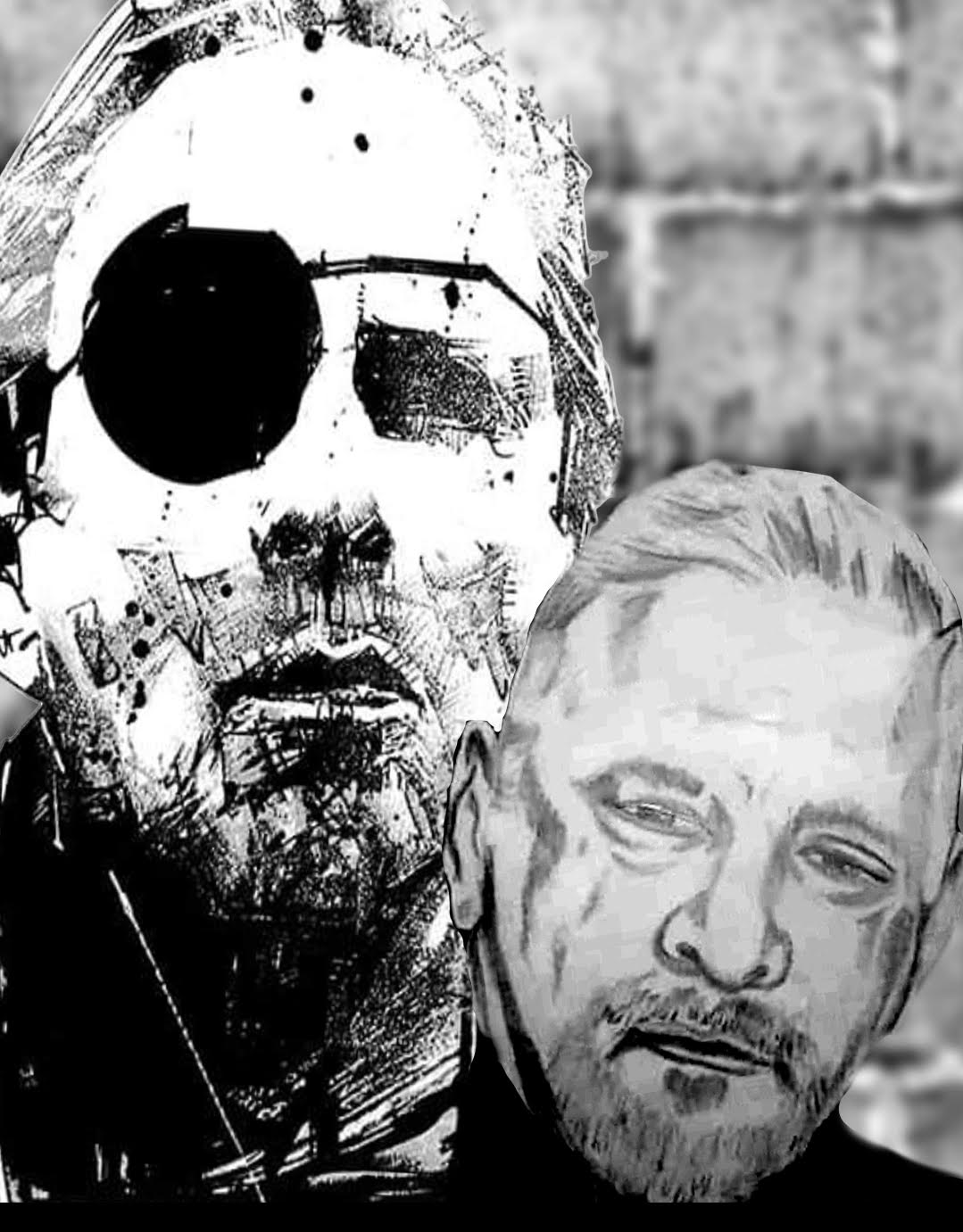
Vachss & Curley by artists Bill Sier and Donna Akers
Andrew (Vachss), by his own admission, was sometimes tough. I didn’t experience any of that because I regarded him as my teacher. I had the same respect for him as I would have for a martial arts instructor or a scholar. It moulded me. If we disagreed about something I would take it for granted he was right, although I might look further into it, and he would always encourage me to do that. But when it came, for example, to child protection. This is all the guy’s done for fifty years. He is the smartest, and that’s not an exaggeration, most logical, toughest guy that I know. If you look at some of the people I work with – retired Navy Seals, Army Intelligence officers, Police Chiefs – that’s high praise. But it was true and they’ve acknowledged that when they’ve spoken and interacted with him. And I would tell people, ‘So you’re gonna tell me he’s wrong based on your personal experience in this little area in which you, your family court case, didn’t go the way it’s supposed to. Logically, do you think he’s wrong?’ He pointed it out to me, just because you have a heart attack you’re not instantly a cardiologist. You have to objectively research, and he is a guy who had such hatred for predators that he objectively dissected them, and looked at them from every possible angle, and came up with common sense solutions to actually decrease significantly what’s happening.
I’ve been a PI for 36 years. I’m not a PI that sits in his basement and does things for insurance companies and things like that. I’ve worked for Fortune 500 companies. I’ve worked on 70 homicides in my 36 year career. I worked on the last Presidential Election. I was the head of the investigation, the Amistad Project, which I cannot speak about because I signed disclosures, and I was working for attorneys, and I’ve done hundreds of custody cases, and what I have seen in my own experience indicates he’s right. So it wasn’t just a blind devotion to him. Whenever we would talk he would patiently hear me out if I disagreed with him. We have a mutual friend, Marc MacYoung. Marc was Andrew’s go to violence expert. He’s like the Albert Einstein of violence. He grew up in Watts in LA as a white kid, so he was the minority in the worst neighbourhood in the country. (He was) first shot when he was fourteen. First Job was knocking over drug dealers with a local Motorcycle Club at sixteen, and he was Andrew’s go to guy. Marc and I got to be very good friends, and we would talk, and we would call Andrew ‘Satan’. He had that voice where he would talk to you like this (affects deep voice), and it would feel like the devil was yelling at you. And one day, I said something to Andrew, in the midst of this really long and tense conversation he stopped, and he said, ‘I haven’t considered that. I’m gonna have to think about this, and we’ll talk in a couple of days.’ So the first thing I did was call Marc and say, I was just talking to Satan because we would always try to show each other up. I talked to him last week, did you? And I said I got him to reconsider his position on something.
John A. Curley
He had a great sense of humour. A lot of people never saw that, because he was so intense about what he did. He asked me to do a job for him. A little job, but I was all excited, and this is about six months after we started speaking regularly. And I would say that we averaged an hour a week (talking) for about seven years and we got to be friends. We would actually bounce ideas of fiction off each other, which was a privilege for me. And for some reason I just had it in my head, I’m going to make Andrew laugh because he is always so serious. I gave him the results of the job, and he says ‘That’s a well done job. Thank you. Where do I send the cheque?’
And I said, ‘After I reimburse you for the writing lessons you can send me a cheque’. I said to him, ‘Do you know what the Captains of Crush are?’
He goes, ‘Never heard of them.’
I said ‘They are industrial strength grippers. The number two. It takes 190 pounds of pressure to close it. I can do that eight times with my right hand. I can almost, but not quite, close the number three, but my hands are average size, so I don’t think I’ll ever be able to do that, I said, but that’s still significant. So, do you know why I do that Andrew?’
And he said, ‘Well, I would imagine some martial arts tearing somebody’s throat out technique.’
‘No, I’m cheap.’
‘Explain.’
‘I will not leave the last little bit of toothpaste in that tube.’
And he laughed for about a minute! And just when I tried to talk he kept laughing, and he said, ‘you gotta give me a minute.’ He had a great sense of humour. The thing about Andrew, he was single minded in his focus. So what I tell people, when it comes to child protection, you can go to his website, read his novels and know everything I learned from him, because it’s all the same. He doesn’t change
I was in my late forties when we first started talking and I’m 56 now, and I wouldn’t think I’d have a father figure at this age but he proved me wrong. His loss is, if I make it through this interview without tearing up, it’s the first one, and I’ve done a couple of dozen. It’s a little intimidating, because a lot of people look in my direction where they used to look in his. I have no idea what he felt made me worth his time, and he never asked for anything, ever, but I knew he wanted people to continue his work. I told him, your fight is mine until the day I die. And it’s easy for me because I can’t improve on what he did. I just advocate for his position. He was a very complex man. I had a conversation with him one day. I was kind of upset by what I had been reading about Critical Race theory.
I said, ‘One of your founding principles is that no child is born bad. Why aren’t you more upset about this?’
And he took a deep breath, and he gave me that voice where I knew I had said something stupid, or I hadn’t thought it out all the way.
He said ‘I would not advocate for that to be part (of the curriculum).’
I said ‘I would think not, because it tells white kids that they’re evil and black kids that they’re born stupid if you look at the actual context.’
And he said, ‘I’m still trying to make Texas understand that an 11 year old when she’s impregnated by her father is not gonna show until she’s three or four months along. So their six week ban on abortion isn’t for that situation.’ This is about a year before he passed. He said, ‘I have limited time and I have to choose what I devote my time to. Besides that, why didn’t the opponents take it to court yet? Shouldn’t they have done that instantly? The information is out there.’
And I said, ‘Well, that’s a good question. Why?’
And he said, ‘Because then the opponents are going to stop making money from it. So nobody wants it to go to court.’
He just would peel something back, regardless of what the subject was, and he wasn’t vocal about anything unless it had to do with child protection. Before Roe vs Wade he advocated for a legal guardian to be able to have an abortion done on a child, because if you have an eleven or twelve year old that’s pregnant from a father or a brother that’s life-threatening. So that’s how long he was in the fight! There were conundrums I would come up with workwise. I would go to him when nobody else could figure it out, and he would get it. So he was an invaluable resource for me and I loved him. He was a good man, is a good man, and if there’s some way for him to still be fighting he is. You can take that to the bank. He was not the kind of guy that would back down or give up. I have friends who I work with who are actual Navy Seals, and they tell me that guy Vachss was one tough sonofabitch and that’s praise.
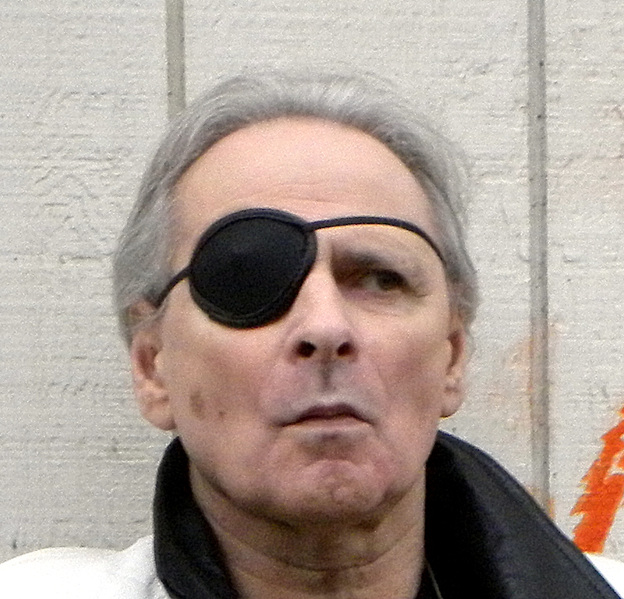
Andrew Vachss
He was a therapist as well to his friends. I have a younger brother that’s bad. He was extremely abusive to his wife and my niece and nephew and we took them in. Eventually he went to prison for repeatedly violating a protection order. They couldn’t nail him for drug dealing, which was his forte, but they did get him for violating the orders of protection so much that he got hard time for it. As I’m sure you can imagine, it was an extraordinarily traumatic time. It’s an easy decision to make – him or the kids. But it’s a hard decision to make, because that’s my little brother. During the pandemic we were watching this show on Netflix called Bloodline, and basically it was the Curley family set in Key West. You have a good brother for lack of a better word, and the evil brother who suffered some horrible abuse, who comes back into their lives and he’s an evil guy. He’s a drug trafficker and he kills people, and the good brother goes to see the mother and the mother is begging him. You have to help your brother, yet he knows it is spiralling down to this point where it’s beyond help, and one of us is going to die. He gets into his truck. He looks in the rearview mirror, and he sees his little brother in the back of the car, but as a child, and he turns around and starts screaming at this image of his brother – Fuck You!
I watched that and I just shut down. I didn’t talk for two days. After my brother had gone to prison, the economy tanked. My wife had gotten breast cancer. I injured myself so severely I was out of work for almost sixteen months. The bank wanted to take the house. It’s one thing after another. It’s almost like there’s no time to deal with this, so I put it away. Then I see the show years later and all of a sudden it all rushes back to me. Out of desperation I called him (Vachss) and we talked for about an hour, and he said, ‘Well, when he turned around, and he was saying fuck you to the image of his brother. Why was he saying that?’
‘Well, that’s easy, fuck you for making me do what I have to do, and for being what you are.’
And he said, ‘Well, you’re leaving something out there. What about the fuck you for your father that made him that way.’ He said, ‘It’s your brother’s fault because he chooses his actions as an adult, and none of the rest of you are doing what he’s doing. But nonetheless, that was the catalyst.’
And I thought, my father was not a bad man. He was one of those guys who thought what he was doing was making his kids strong, and he did what was done to him, and it wasn’t good. But that had a bad effect on my brother.
And then he said to me, ‘What else?’
‘What do you mean?
He goes ‘What else John?’
And I said, ‘I don’t know Andrew, how would you feel if I told you I actually had considered the possibility, and thought about it extensively that my brother or I might end up dead.’
And he said, ‘What would you think of someone who would allow that type of abuse to happen to a woman and a child, especially in their family and do nothing about it?’
‘I wouldn’t think much of someone like that. I wouldn’t keep company with him.’
And he said, ‘Well, that’s the problem with men like you.’
‘I don’t understand.’
‘Because you think this is the first time I’ve heard this from guys like you. You were thirteen or fourteen dealing with your father’s sudden death.’
(He was murdered. If you’ve ever seen the movie Goodfellas, the Lufthansa heist that happened in the movie. Those guys killed my father.)
He said, ‘You think somehow you should have been able to keep your family together, deal with your own grief at the age of thirteen just turned fourteen, and you’re somehow responsible for your brother going wrong?’
For years I felt that, and all of a sudden this huge weight that I didn’t know was on me was lifted off. And I said, ‘You know, Papa, you could put most therapists out of business’.
He laughed and said, ‘John, this is all I’ve done for the last fifty years. If I couldn’t help you, I wouldn’t be much good.’
But that was Andrew, that was a side of him a lot of people didn’t get to see. He had this really human benevolent, I’ll even say loving, side to him. Andrew was a tough man. He had to be to see what he saw. I have not seen half the tenth of one quarter of what he’s seen, and there are things that I’ve done. I’m no Superman but a few times I’ve walked in places and walked out with kids before they were sold (to the sex trade), and I know what happens and it rips me up to this day. He dealt with that on an almost non-stop basis, and I had no idea how he could do that. He was that strong willed. But there had to be damage inside of him. He’d never let you know about it, but he was human just like the rest of us.
One of his last wishes was that he wanted to make sure that people didn’t know exactly when he died, because him being alive upset a lot of the freaks. He said, ‘Don’t be offended. Someone will let you know when it’s time.’ And the last conversation I had with him was two days before he died, and he did not even talk to me about what was wrong with him. He spent that time trying to help me with something. It’s a really hard thing to not have him.
One of the things about Andrew. He was adamant about this. There is no such thing as selective free speech. There was a time when NAMBLA (the North American Man Boy Love Association), it’s disgusting to even say, they were having their monthly meetings at the New York Public Library. There was an uproar about this, and again, the only time people seem to care about this is when it’s in the news. Back in the Eighties there was little Lisa Steinberg who was murdered in New York by the piece of garbage that adopted her. There was no Internet then, but it was all over the newspapers, the radio, national and local news for the next six months. It was never going to happen again, and everybody jumped on board. But the problem with people over here is they don’t follow through on anything. People are so desensitised when they read a headline every few weeks about a child being murdered. It doesn’t affect them anymore. Oh, there was change. The Bureau of Child Welfare became the Administration for Children Services. With all the garbage that you see on television you don’t see people jump on board with this because it doesn’t bring them any kind of power. I know about violence. I’m a guy you come to when your daughter is being abused by a drug dealer or you’ve run afoul of the white supremacist down the road and you need somebody to make things right. They’re actual jobs by the way. I’ve sat down across from people who’ve told me that they were gonna kill me and mean it. So I have that experience and I understand those things. So the news interviewed Andrew about NAMBLA meetings at the Public Library.
‘You think they should remove them?’
He said, ‘No. Free speech is free speech. I want that freak on television telling people it’s normal for an adult to rape a child because, even as polarized as these things are today, I line up 100 people, 98 of them are going to go – Are you fucking kidding? The other two are freaks or collaborators. I want them out in the open, so that maybe an enterprising young cop can go there and write down licence plate numbers, and might have an idea where to look when the next kid goes missing. What I don’t want is for that to go underground.’
And that makes perfect sense. Because he would logically look at the problem. The gut reaction is – Get them out of there. I’m sure I felt that way too. The turning point for me was when he posted something about somebody hurting a child with an animal, and I did the typical bullshit machismo testosterone response. ‘If I had that bastard, I’d put him on a meat hook in my basement and use him as a heavy bag for a month.’
And he said, ‘What good would that do, John?’
‘Wait a second, aren’t you Andrew Vachss. Don’t you hate these guys?’
‘Well, you feel good, don’t you. You feel you let off a little steam?’
‘I do.’
‘You feel strong?’
‘I do.’
‘You know what would have been good. You calming down, writing a well thought out letter, sending it to that prosecutor saying – I want the Max. No plea deals and I vote – Put that up on Facebook and ask people to do the same thing. Maybe nothing happens, but maybe it will, and you did something.’
End of Part One. In Part Two Curley discusses the inspiration behind his excellent Jonathan Creed series of novels.
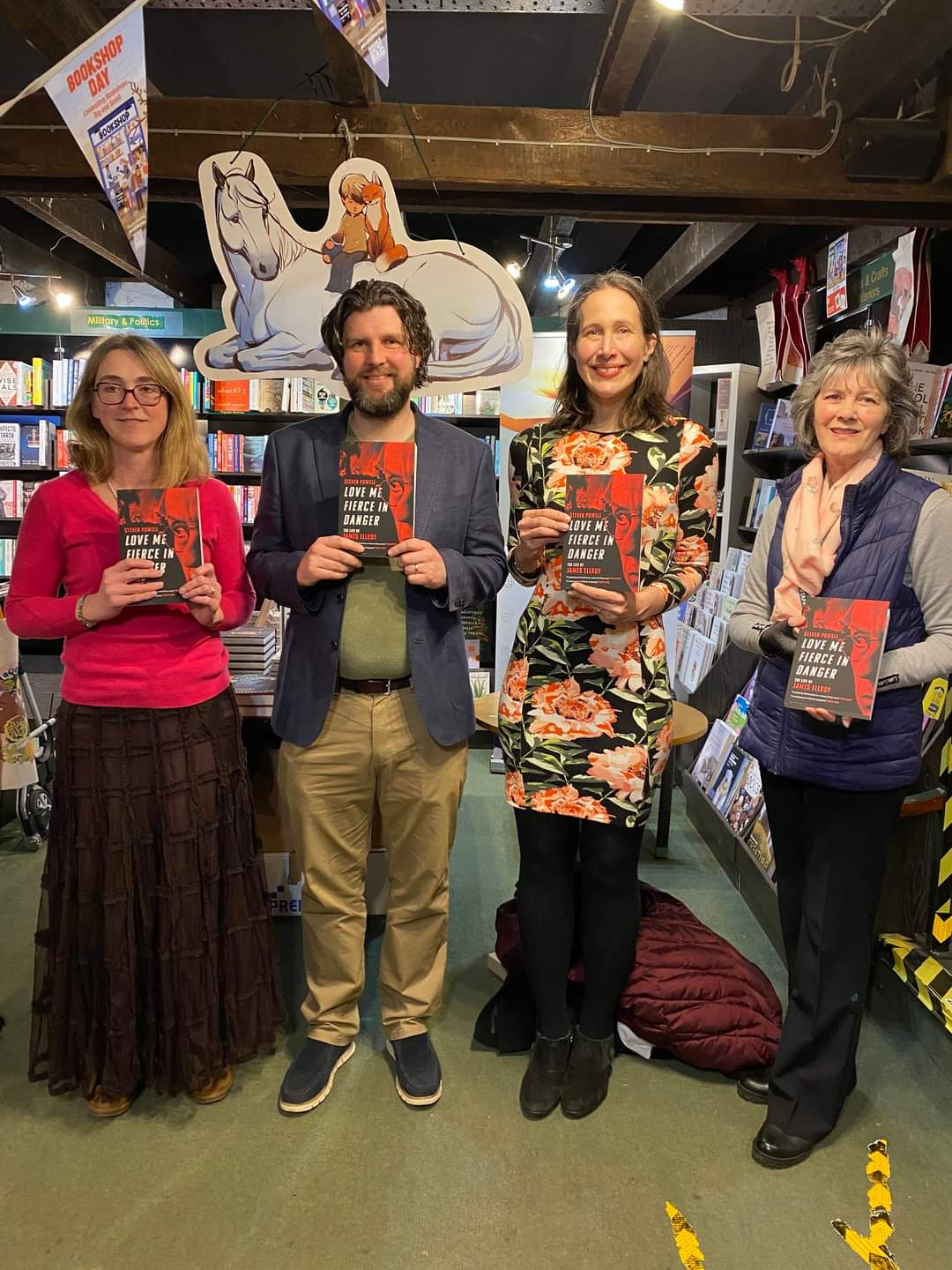
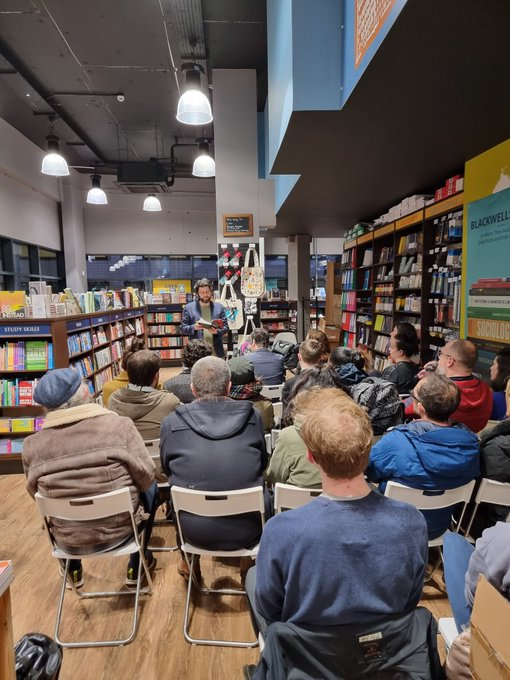
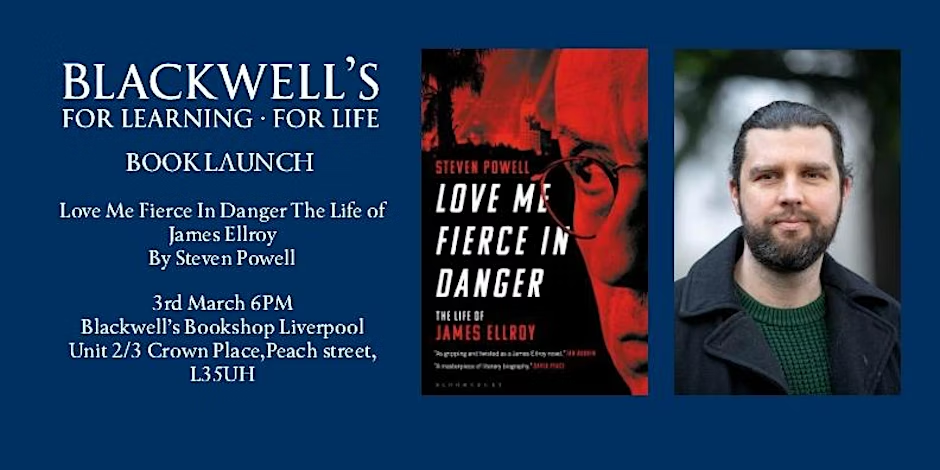
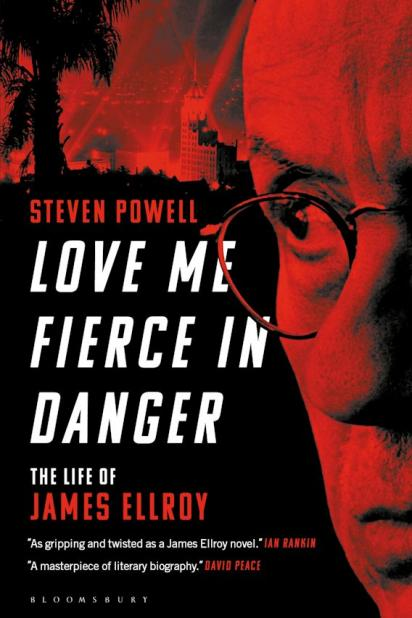
Last week we celebrated the release of Love Me Fierce in Danger: The Life of James Ellroy with two book events. The first was at Linghams Booksellers in Heswall and the second was at Blackwell’s Liverpool. Both events were amazing. The responses from the people who attended were fantastic, and it was great to meet so many passionate Ellroy readers who wanted to know more about the extraordinary life and work of the Demon Dog of American Crime Fiction.
At Linghams Booksellers in HeswallReading from Love Me Fierce in Danger: The Life of James Ellroy at Blackwell’s Liverpool
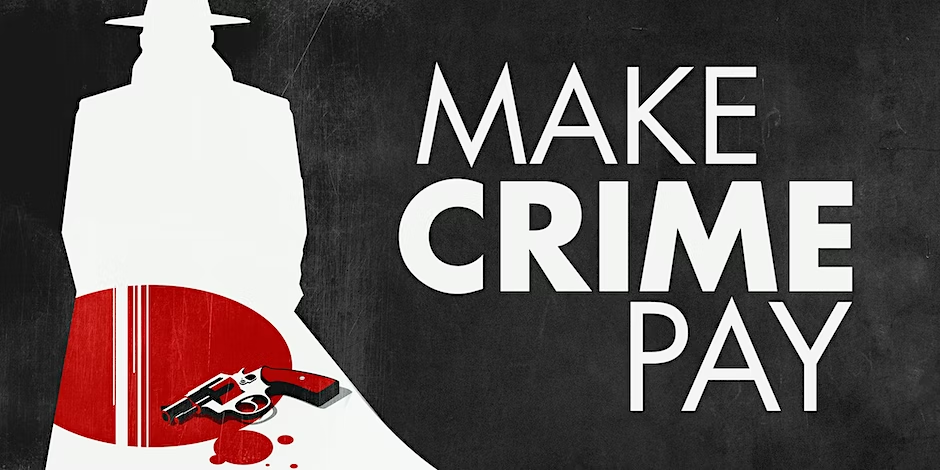
Make Crime Pay is an online crime and thriller event taking place on the 4th March. They have an exciting line-up featuring John Connolly, BA Paris, Adele Parks and many more.
It promises to be a must-attend event for any fans of the genre. Find out more on how to register here.
So far the reviews have been excellent. Here’s a sample:
“A highly enjoyable read … shrewd in its critiques of the work and jargon-free – an academic biography in the best sense. I suspect it will spoil the genre of literary biography for me for a while: can the life of any other living writer be anywhere near as horribly gripping?” Jake Kerridge, Daily Telegraph
“An essential purchase for anyone interested in modern American crime fiction, couched in prose that is as lively as its uncompromising subject.” ―Barry Forshaw, Crime Time
“When it comes to James Ellroy, [Powell] is the go-to expert who plays sleuth to the inventor of many an L.A. sleuth. . . . The same obsessive thread that runs through all of Ellroy’s work also weaves kinetically through Powell’s prose. In this latest book, he reveals nuances of the epic writer’s life and process that only an Ellroy expert can.” ― Jill Dearman, Brooklyn Rail
“[A] stark, revealing account of [Ellroy’s] life.” ―Martin Chilton, The Independent
“Powell brings out the conflicting sides of Ellroy’s personality tactfully and sympathetically — without ever taking his eye off the truth … has all the pace, twists and shocks of a good crime novel.” Martin Sanderson, The Times
“Even if you thought you knew Ellroy, there will be something in Powell’s book to surprise you, something that will offer a greater understanding of Ellroy and how he’s been able to turn the complexities of his life and the world around him into the totality of his fiction.” Woody Haut
“On Ellroy the writer, he [Powell] is quietly superb, as confident on his symbolism as his plots, whose thickets he cuts through with aplomb.” Paul Franz, Airmail
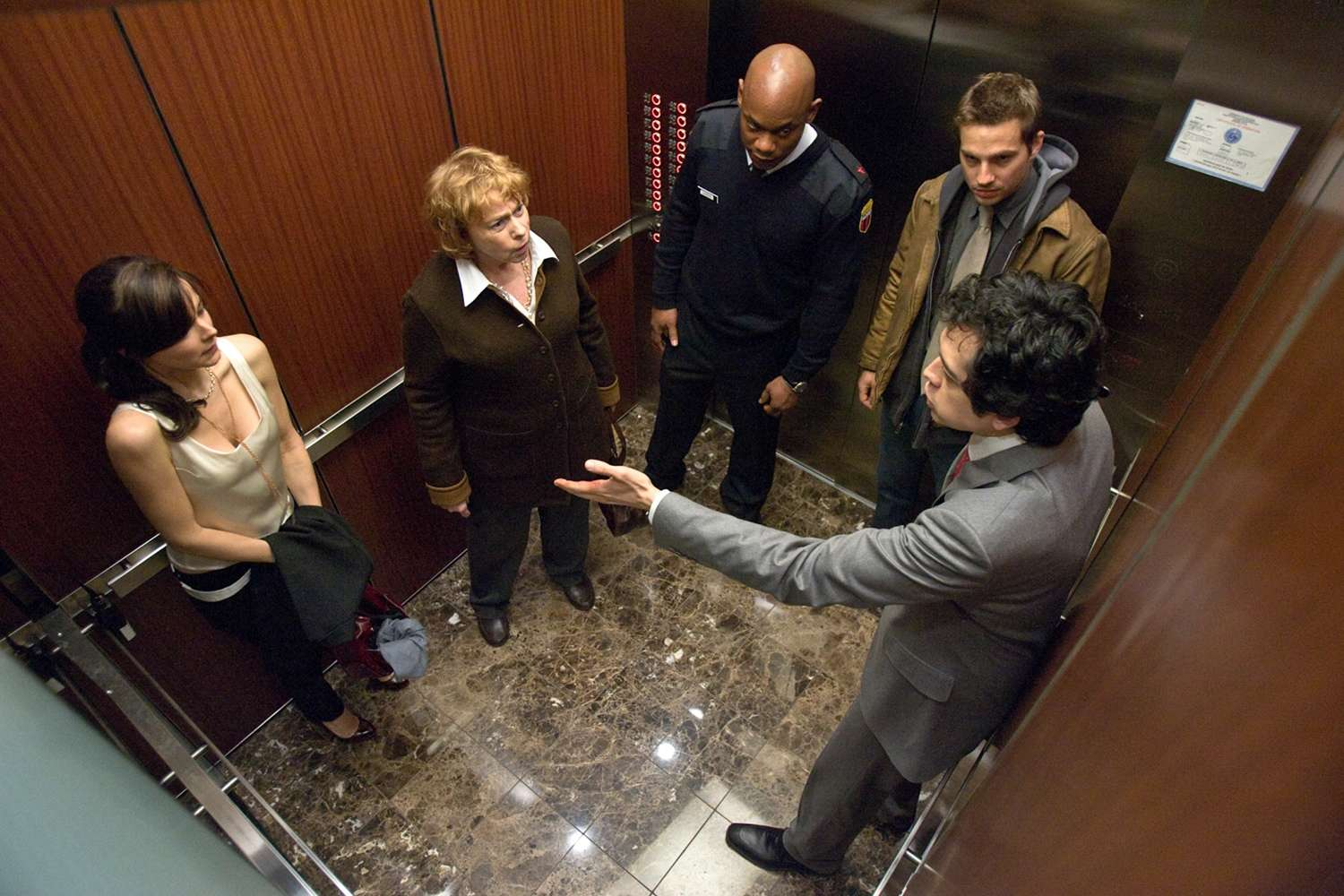
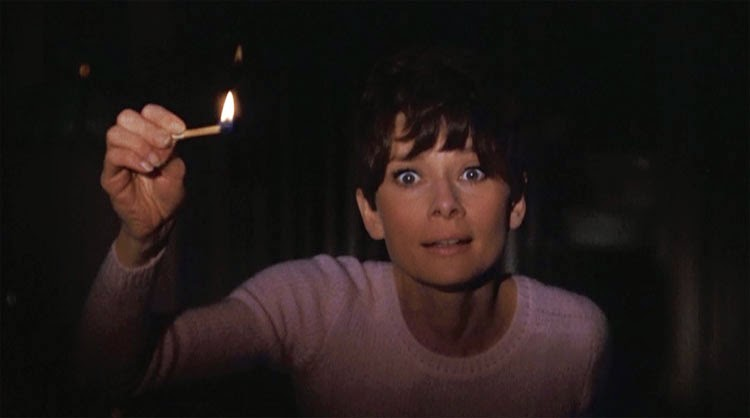
Highbrow Lowbrow is back! In our first episode of 2023, Dan Slattery takes a look at the horror film Devil, in which a group of disparate people get stranded in a lift only to discover that one of them may just be the passenger from Hell. My choice is the home invasion chiller Wait Until Dark. I make my case that it’s Audrey Hepburn finest performance, and the best film directed by Bond film series pioneer Terence Young.
I had the pleasure of being interviewed by Chase Johnston-Lynch of Big Condo Academy this past week. We discussed the research, writing and forthcoming publication of Love Me Fierce in Danger: The Life of James Ellroy. Chase is a great interviewer and the conversation, embedded below, was tremendous fun. Enjoy!
Love Me Fierce in Danger: The Life of James Ellroy is published by Bloomsbury on February 9th and is available to pre-order. The book launch will take place at Linghams Booksellers in Heswall on February 28th at 7pm. I’m thrilled to be having my book launch at Linghams, which is one of the best independent booksellers in the UK with a long history of book launches and author appearances.
I’ll be sharing stories about Ellroy’s extraordinary life, as well as my personal experiences in researching and writing the book, and my lifelong obsession with James Ellroy. Hope to see you there. You can book tickets here.
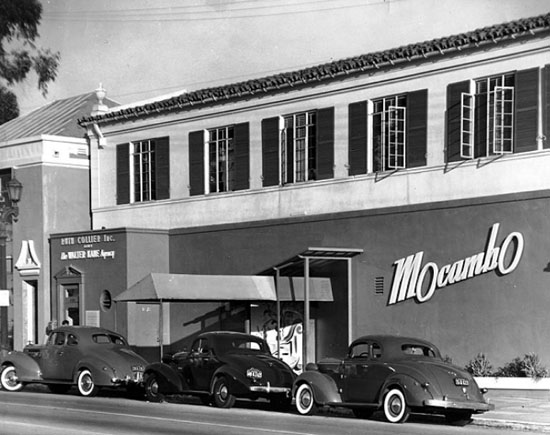
The Mocambo is one of the most famous nightclubs in Los Angeles’s history. From the day it opened in 1941, the club featured lush Latin-American decor, ‘glass-walled aviaries that housed live macaws, cockatoos, parrots and other birds’, and big-band music. It was a favourite haunt of celebrities, and a performance there could make or break a showbiz career. Frank Sinatra performed his first solo gig at the Mocambo in 1943, and Ella Fitzgerald had a breakout concert there in 1955. The Mocambo closed its doors permanently in 1958. In its seventeen year history, amid the dining and dancing, many affairs were kindled, fights broke out, and crooked deals were hatched within its four walls.
Given the Mocambo’s place in LA lore, it is not surprising that the club features periodically in the work of James Ellroy.
Around the World
In Ellroy’s novella, Hollywood Nocturnes, Dick Contino visits the Mocambo and witnesses fellow crooner Buddy Greco perform ‘Around the World’. Contino is full of admiration for Greco’s style: ‘Buddy not only sells you the song – he drives it to your house and installs it.’ This admiration is tinged with envy. Contino spent a fortune on his Oldsmobile Starfire and its ‘Kustom King’ interior purely out of ‘an Italian rivalry thing. Buddy Greco’s got a car like that, so Dick had to have one.’ Greco, like Contino, was a ladies’ man, marrying five times. In Hollywood Nocturnes, Contino lures one of Greco’s glamorous backup singers into an ill-judged kidnapping caper.
Ellroy was on good terms with Buddy Greco, inviting him to perform at LAPD functions in his later years. Contino and Greco died three months apart in 2017, both grand old men of showbiz and throwbacks to another age.
Here’s Buddy at his best, performing ‘Around the World’ on Dick Irvin’s Big Band Swing in Montreal.
Lindy Hop
Singing and dancing isn’t the only entertainment the Mocambo had to offer. A nocturnal visit might grant you the dubious honour of witnessing Mickey Cohen’s stand-up routine. In The Big Nowhere, Cohen is described as ‘a killer-hoodlum who longed to be a nightclub comic.’ In LA Confidential, Cohen spends his nights at the Mocambo where he would ‘crack jokes written by gagster Davey Goldman’.
Slightly less painful to sit through than his comedy routine was watching Cohen dance. Ellroy writes of how Cohen does a ‘wicked Lindy Hop with his squeeze Audrey Anders’. In Brian Helgeland’s original script to LA ConfidentialMickey Cohen is introduced at the Mocambo dancing ‘a wicked “Lindy Hop” with THREE different girls at once’. In the published script, credited to both Helgeland and Curtis Hanson, this is simplified (and the dance isn’t specified) to ‘MICKEY COHEN dances with two different girls at once.’
Ellroy references the Lindy Hop often in comical terms, such as in The Black Dahlia when Bucky Bleichert arrives at a house to issue a warrant and is enthusiastically greeted by a ‘big brown mastiff’ named Hacksaw. ‘We stood there, the dog’s front paws resting on my shoulder like we were doing the Lindy Hop. A big tongue lapped at me.’
The Lindy Hop was born in the African-American communities of Harlem in the late 1920s, most likely deriving its name from the aviator Charles Lindbergh. By the 1940s, the popularity of the dance had spread across the US. Given its origins, Mickey Cohen’s love of the dance is somewhat ironic as he often uses racist language to describe black people, and is forced to publicly deny rumours that his wife abandoned him for a ‘shvartze calypso singer’.
Below is one of the most famous Lindy Hop routines, performed by the swing dancers Whitey’s Lindy Hoppers in Hellzapoppin‘. I doubt Mickey Cohen could dance this well…




 The Venetian Vase