A James Ellroy Playlist – The Enchanters Edition
James Ellroy’s new novel The Enchanters is due to be published in September. Ellroy recently revealed to Michael Connelly that he will not be completing the Second LA Quartet as he had originally envisioned. Instead, the quartet will be remoulded into a Quintet with the remaining volumes set in the early 1960s. Ellroy initially planned for the entire series to be set during World War Two. Knopf are apparently delighted with this change of direction and, let’s face it, many readers will be as well. Perfidia and This Storm were a collective slog; challenging, maddening, sometimes brilliant, but they never left me with that compulsive urge to revisit them or read Ellroy’s next novel. Ellroy’s change of direction makes The Enchanters his most anticipated novel in over a decade, and we won’t have to read Kay Lake’s diary entries anymore!

The following piece is an attempt by me to predict the musical influences in The Enchanters, as part of my ongoing series on Ellroy and music. The tone below is speculative and a little playful, but as Ellroy’s biographer and one of the few people to have read the outline to The Enchanters, perhaps I know whereof I speak.
Papa Loves Mambo
Eddie Fisher is one of the real-characters who makes an appearance in The Enchanters. Ellroy’s opinion of Fisher is low, describing him as a ‘loser’ and ‘a faded recording artist’ in the novel’s 1962 setting, more famous for being Elizabeth Taylor’s husband #4 than for his singing ability. But a sleazy showbiz reputation is far from being a impediment to appearing in Ellroy’s world. It’s practically a qualification! Fisher was quick to cash in on the ‘Mambo Craze’ which began in New York in 1947, and lasted right through until the end of the 1950s. Mambo was naturally popular in Ellroy’s preferred setting of LA given the City of Angels’ sizable Latin population. Sadly, I don’t think Fisher had the panache to pull off mambo. Here he is singing a very ropey rendition of ‘Papa Loves Mambo’ on his musical variety series Coke Time with Eddie Fisher.
No wonder Liz Taylor left Fisher for the baritone-voiced Richard Burton.
Mambo Santa Mambo
The title The Enchanters was chosen by Ellroy to evoke the punchy definite article / noun titles of such Harold Robbins’ bestsellers as The Adventurers, The Carpetbaggers and The Inheritors. But it’s worth remembering that there was a doo-wop vocal group called the Enchanters who were active and popular in the late 1950s and early 1960s. The timing is important as Ellroy identified 1958-63 as a very formative time for him in terms of the music he absorbed. It remains the only time period which produced popular music Ellroy still listens to and enjoys. His tastes now veer almost exclusively towards classical music. Below is the Enchanters contribution to the Mambo craze, ‘Mambo Santa Mambo’.
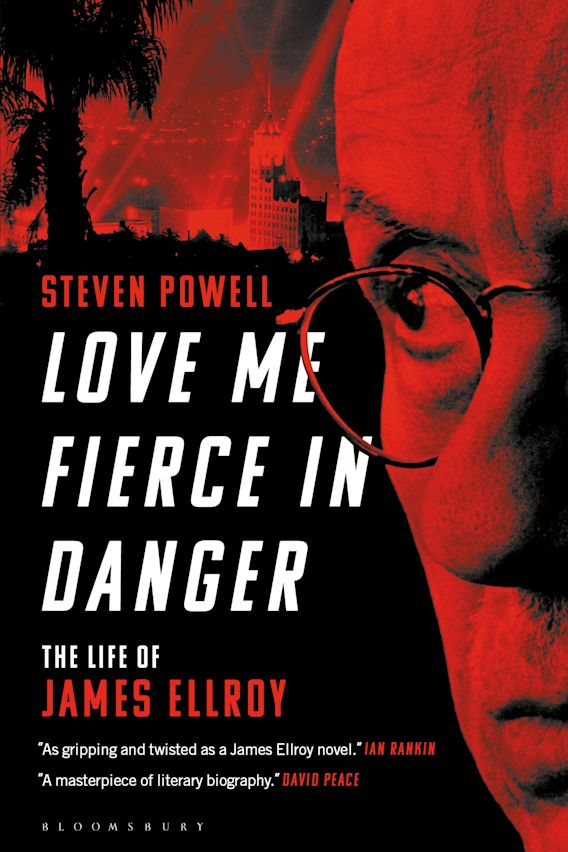
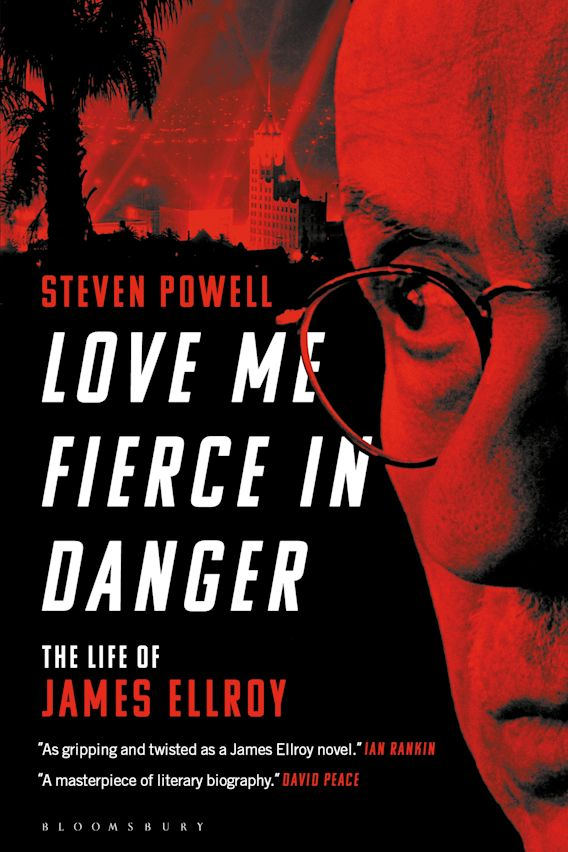
Love Me Fierce in Danger: The Life of James Ellroy is published by Bloomsbury.
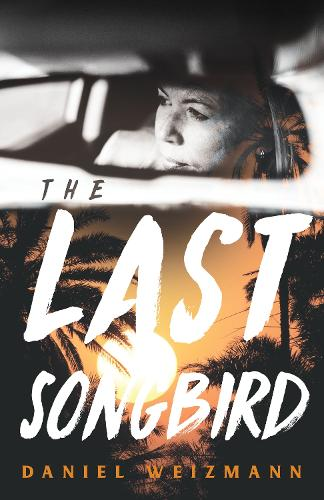
The Last Songbird by Daniel Weizmann – Review
Annie Linden was a music icon of the 1970s whose star faded in old age. Adam Zantz is a Lyft driver and aspiring songwriter who had a chance encounter with Annie when he picked her up one day at her Malibu mansion. Soon they develop a beautiful friendship, and Zantz becomes Annie’s confidante and she his guru. But when Annie disappears, Zantz is left heartbroken. Then Annie’s corpse is washed up under a pier, and Zantz finds himself implicated in her death. To absolve himself of any suspicion, Zantz must interview Annie’s friends, colleagues and family, and in doing so, he discovers a side to the music idol that he never knew in life. But it isn’t long before the stakes get even higher. Zantz isn’t just fighting to prove his innocence, he becomes involved with dangerous people who have the same fate in mind for him as the ill-fated Annie.
I’m going to come right out and say that I loved The Last Songbird and devoured it in a couple of sittings. The novel works beautifully on several levels. Firstly, as a crime narrative Weizmann unravels the mystery with a solid pacing and confident hold on the reader. Just when you think a resolution is approaching, Zantz is floored by a witness confession that turns the story and his perception of Annie on its head. Each person Zantz meets, and every interview he conducts, is a lovingly rendered character sketch. The more damaged the characters, the more Weizmann seems to empathise with them. He has created a portrait of Southern California and the Pacific Coast Highway that rivals the best work of Raymond Chandler and Ross Macdonald. This is a world of showbiz hangers-on, grasping agents, failed artists and strange cults. The latter of which are portrayed through a misogynistic men’s club which is both sinister and pathetic.
Ultimately, everything in The Last Songbird merges seamlessly as Weizmann knows this world, having been part of the LA cultural scene for decades. The relationship between Annie and Zantz will break your heart as, I suspect, we have all had an Annie Linden in our lives. A star from a bygone age, back when there was a worrying lack of accountability in showbiz, but also no internet to eat into the profits of struggling artists. This is a novel that will make you recall your treasured conversations with that mentor and your secret crush. As a torch song to that person in your life and their era, The Last Songbird is nothing short of a masterpiece.
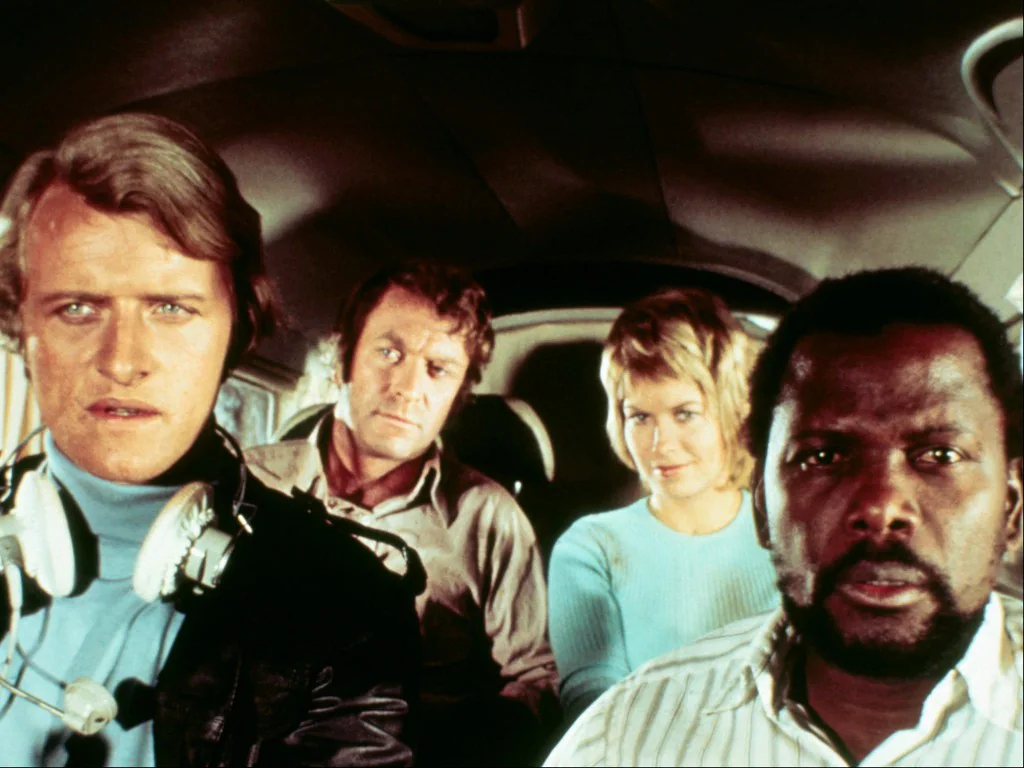
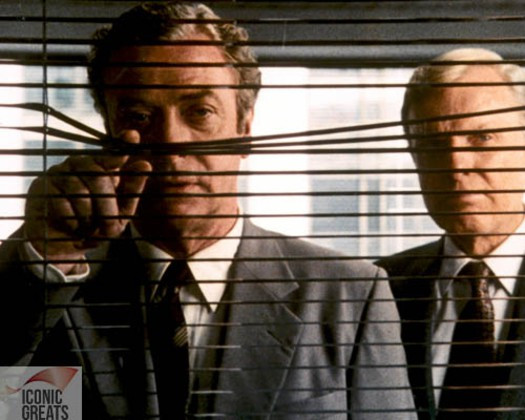
Highbrow Lowbrow: Michael Caine Special
The latest episode of Highbrow Lowbrow is a Michael Caine Special. My podcast co-host Dan Slattery and I look at two lesser-known films from the legendary Cockney actors career. My pick is the multi-genre film The Wilby Conspiracy. It’s an adventure road movie and political thriller in which Caine and Sydney Poitier play two mismatched men on the run from the South African Police. Dan’s pick is the black comedy A Shock to the System, in which Caine plays an aggrieved businessman who decides to murder his way to the top after being passed over for promotion.
You can listen to the full episode here.
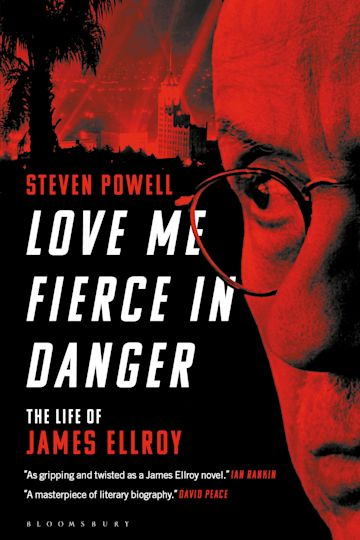
Love Me Fierce in Danger: The Life of James Ellroy was published by Bloomsbury in February of this year. I have done a number of publicity events to promote the book, but if you still need persuading then have a read from this extract from the introduction to the biography, and then do yourself a favour, and buy the book!
“James lives life like he was shot out of a cannon,” Helen Knode, his ex-wife, tells me. Of the many women in Ellroy’s life, Helen has come closest to understanding him. Understanding Ellroy, both the scope and the meaning of his extraordinary life, is a task I have spent more than a decade undertaking. I first met Ellroy in person in 2009. I was an unknown PhD candidate back then, and I was amazed at the generosity he extended towards me when there was little I could give him in return. Over the next ten years I stayed in Ellroy’s orbit, authoring three books on his work and hundreds of articles before I had an epiphany: someone needed, hell, I needed, to write James Ellroy’s biography.
In one sense James Ellroy needs no introduction. To be even remotely knowledgeable of twentieth-century American literature or crime fiction is to know Ellroy. With his garish Hawaiian shirts, lanky physique, mesmerizing speaking style, and penchant for barking like a dog, Ellroy makes sure he won’t go unnoticed. However, his distinctive and self-styled Demon Dog persona runs deeper than its physical manifestation. It’s all there in his ferocious competitiveness, tireless work ethic, and prodigious output. His writing has pushed the boundaries of genre, and he has never given up on striving for new literary achievements. This ambition, in part, stems from his struggle with addiction. His mother was a heavy drinker and, after her murder and the death of his father, Ellroy fell into a spiral of alcohol and drug abuse as a young man. He joined Alcoholics Anonymous at the age of twenty-seven and, barring a couple of relapses, has been sober ever since. But the addictive side of his character remains in everything from his unyielding ambition, voracious appetite for women, right down to the copious amounts of coffee he consumes daily.
While remarkable and often inspiring, the story of Ellroy’s life is also tinged with melancholy, and not just by the various traumas he has endured. Rather, Ellroy’s seven decades cover a rapidly vanishing world. He has lived through and profited from the rise and fall of Hollywood and publishing. It would be impossible for another Ellroy to ascend in the same circumstances today, but if society was to become too safe and monotonous it might create the conditions to which a self-styled polemicist like Ellroy could step into the void.
Ellroy is a brilliant reader of people’s thoughts and motivations. As such, he is skilled at giving people what they want, whether it be outrage or empathy, and that sort of talent rarely goes out of style. Humor is present in everything he does. He can take sheer glee from his capacity to offend, and yet he can be equally kind and thoughtful. Ellroy has been so candid to me there were times I was unsure whether he had appointed me as his biographer or executioner, but that is entirely in keeping with his character.
Joyce Carol Oates described Ellroy as “the American Dostoyevsky.” The comparison is not merely a literary one. Ellroy’s extraordinary, harrowing, and inspiring life has been so mythologized, demythologized, and re-mythologized in the public eye, not least by the author himself, that it is difficult to believe that this book is his first full-length biography. All I ask is that, whether you are an admirer or a detractor of Ellroy, take all your preconceptions of him and leave them at the door. Perhaps the biggest irony of all is that, in my view, Ellroy’s life is the great untold story of American literature.
For the multitude of interviews I have conducted with Ellroy’s friends, colleagues, and ex-partners, my subjects seemed relieved to finally give their testimony and part with the history they had witnessed in the life of an author who can be equally dazzling and infuriating. With such an abundance of voices in this story, I have avoided any ham-fisted attempts to psychoanalyze Ellroy. He is not introspective. His character can be deduced through his actions, and as such, I don’t always follow a strict chronology. The structure of the book is broadly sequential, but Ellroy is often juggling a dozen projects and people at once. It is more appropriate to focus on one episode of his life at length, before moving onto another.
I feel I have talked enough about my own hand in the book and can feel Ellroy peering over my shoulder and saying, “Steve, you slimy limey, stop talking about yourself and get to the part about me.”
Here goes.
Love Me Fierce in Danger – Book Launch Video
The book launch of Love Me Fierce in Danger: The Life of James Ellroy took place at Linghams Booksellers in Heswall on February 28th and was a truly extraordinary evening. It was heartening to see so many people attend who are fascinated by Ellroy’s life and work.
The event was filmed by my good friend Radu Spulber. He edited the film into six easy to digest parts. Part one is below. You can find the full playlist on YouTube. I hope you enjoy these videos of me describing Ellroy’s life and the writing process behind his biography. And if you do, why not buy the book!
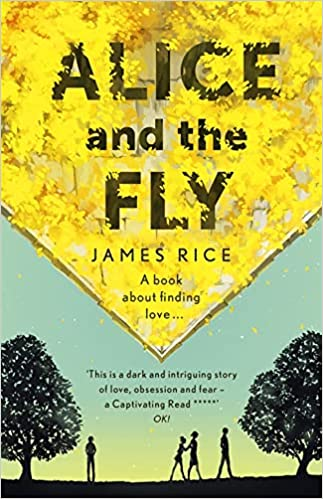
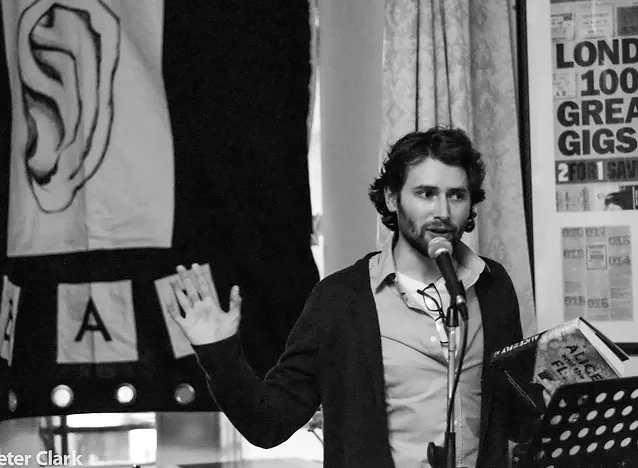
Alice and the Fly is the debut novel of James Rice. It is a haunting tale, written from the point of view of a cripplingly shy young man named Greg, which touches on themes such as loneliness, isolation and mental health. It’s a terrific read: sometimes funny, sometimes sad. I’ve known James for some time. He is charming and self-deprecating, but I’ve never been in any doubt of the burning talent that drives him as an author. James agreed to be interviewed by me about the genesis and writing process of Alice and the Fly.
Interviewer: Tell me about the genesis of Alice and the Fly. How did you get from the germ of an idea to what every writer covets – a book deal?
Rice: I first started Alice… as a teenager. I can’t remember exactly where the idea came from, but there were various versions of it – a short story, a screenplay, a concept album (don’t ask). None of them ever really worked. A few years later I was studying for an MA in Creative Writing and I decided that I wanted to use that time to work on a novel, so I was looking back through old ideas. I came up with an opening chapter, with Greg and Alice on the bus, and I was quite pleased with that, but I didn’t really understand how I could go from this one scene to a whole novel.
Around the same time, I heard about Writing on the Wall’s “Pulp Idol” writing competition, so I submitted to that. Which was a turning point for me. The judges liked my opening. I had to perform readings in front of large groups of people and it kept getting a good reaction and that was a huge boost in confidence. One of the judges was an editor at Tindal Street Press. He was very encouraging – gave me his card and told me to keep writing. And so I did. For the next four years. I think I’d have probably given up if I didn’t have that card.
In the end Tindal Street were bought out by another publisher and the editor I knew left long before I finished Alice…, but I kept writing. I submitted to several agents. Eventually I managed to convince one to read it, and her reaction was encouraging. There was a lot of back-and-forth there – the novel was too long, it was too short, there was too much humour, too much sadness, etc. There were several six-hour Megabus trips to London. Everything she said was 100% correct though, so I appreciated that. Some people don’t like their writing being edited but I’ve always found it incredibly useful – someone taking the time to sit down and look at your work, try and make it the best possible version of itself.
Eventually we had something that felt like a novel and she agreed to submit it for publication. Then the emails stopped and there was just this deadly silence for what felt like years (but was probably months). I didn’t want to hassle the agency, so I just waited, wondering if I’d ever hear from them again. And then one evening I got the call. Hodder and Stoughton had said yes and wanted to meet me. A week later there I was, eating croissant in the office of a publishing house. It was all very surreal. There’s still a part of me that doesn’t believe any of it really happened. That’s mostly been my experience of writing novels – 99% of it is staring at a word document for hours on end, but occasionally there are moments like that that which make it all worthwhile. Although, maybe not. If I’m honest with myself, when it comes down to it, I’m definitely more of a sit-down-with-a-word-document kind of guy.
Interviewer: Name some writers you grew up reading. Who were your first loves as a writer, and did any of them work their way into Alice and the Fly as influences?
Rice: I didn’t read that much growing up, if I’m honest. There was a teacher who got me to read a few children’s novels. I remember her giving me The Indian in the Cupboard and Gary Paulsen’s Hatchet books – I enjoyed them. And there were these Bruce Coville books about aliens that my dad bought me. But I wasn’t one of those Matilda-type children who carries piles of books everywhere and make friends with their local librarian. I wrote a lot as a child, even without being much of a reader. I had a big imagination.
I was in my late-teens when I started to properly read, and I made up for it then. I read a lot of American stuff; I remember working my way through all of those masculine authors like Bukowski, McCarthy, Hemingway. Then I remember trying to counter that with yet more Americans, only this time of the opposite sex: Flannery O’Connor, Joyce Carol Oates, Amy Homes. After that I tried to broaden my horizons.
I always find this question difficult because the truth is I’ll read anything and everything as long as it’s well-written, and I believe everything I read influences my writing. I did an exercise in a class I was teaching once where I picked out every book from my shelves which had a direct link to something in my first novel. So, not just an influence, but a specific example whereby I could pick out something that I used (i.e. stole) whilst writing Alice…. The pile got very big. After a while it fell over and it was at that point I gave up. Lesson is: everything is an influence, in one way or another. So read everything.
Interviewer: Greg is a painfully shy young man, and a lot of his story inevitably brings up issues of mental health. Both in how it affects individuals and how society reacts to it. Did you do a lot of research in the mental health field?
Rice: I did all the usual stuff; I read, I watched documentaries, I researched case studies. But a lot of this was near the end, to be honest – I avoided trying to get too much into the medical side of things early on because I didn’t really want the book to be about that. I wasn’t trying to do one of those mental health books that get put on an NHS reading list to help people better understand specific medical conditions. Not that there’s anything wrong with that (other people do those books much better than I ever could) – but that wasn’t what I wanted to write. Greg had these ‘visions’ and people didn’t understand them and a doctor would more than likely diagnose them as a form of psychosis, and that’s as much as I wanted to get into it, in terms of ‘mental health writing’. To Greg they were real, and they were real for me too. Most of the research was done to make sure the story I was telling was believable in the ‘real world’ – even if that isn’t the world I was really interested in.
In terms of shyness – I knew where I was with that. I was shy as a child and awkward in my teenage years. I felt out of synch with everyone and everything – I think that’s a pretty universal experience, so a lot of the novel was a reflection on that. And how what’s happening inside someone’s head can be very different to how everyone else is perceiving them.
Interviewer: You incorporate different medium into the novel, from journals to transcripts of police interviews. Why did you decide on this innovative approach?
Rice: The idea of the book being a journal came early on. I wanted it be first-person, but addressed to Alice because there’s a certain sweetness to that. The word ‘you’ is very romantic when used in this way (e.g. 90% of love songs are addressed to “you”). But there are some drawbacks to this format. Just having the world as seen from Greg’s p.o.v. is quite limiting. Also teen-narrated novels can get a bit repetitive. I read a lot of teen-narrated novels at the time of writing Alice… and by the end these sorts of narrators where always starting to grate on me.
Also, my editor thought the novel needed more momentum. She thought the reader needed a sense of the drama to come. So the idea for police transcripts came along quite late in the writing process, as a way of addressing both of these issues; they give the reader a break from Greg’s voice, whilst letting them know something dramatic is coming in the final act. It also gave me the opportunity to write some dialogue, which was nice. (I like writing dialogue.)
Interviewer: Alice and the Fly garnered some terrific reviews which must be very gratifying. Did you receive any feedback from readers who personally identified with Greg’s struggles?
Rice: The reviews were good, yes. I try not to read them because I have that irritating author knack for just concentrating on the negative – so a review will be gushing with praise but then have one suggestion for something that could have worked better and I’ll fall into this utter pit of despair over it. I have a friend who reads them and sends me anything he thinks I’ll find interesting or funny (e.g. the reviewer who accused me of product placement because I mention Waitrose).
I did have readers contacting me, and still do, from time to time. (There was a little boost during the covid lockdown, which was I think due to everyone finally getting round to reading all those books they bought over the last few years.) Sometimes it’s because of the mental health aspect but usually just because they really connected with Greg and want to tell me they enjoyed the book and that’s always nice. I never know what to say though. I’m not very good with compliments.
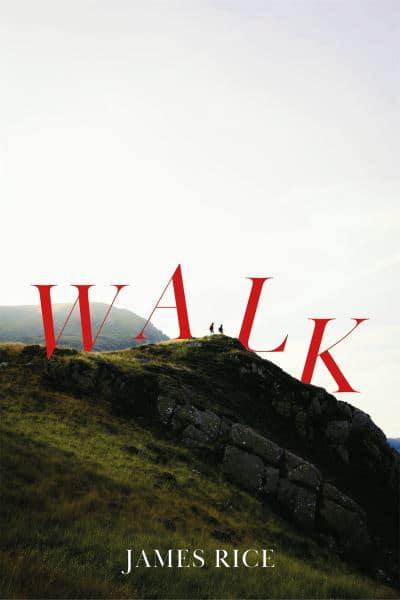
Interviewer: Your follow-up novel Walk approaches a somewhat different subject – two friends walking across Wales. But digging deeper, it appears there are some parallels. What inspired you to write this novel?
Rice: I wrote Alice… because I wanted to write about a particular time in my life – those awkward teenage school years – but in a way that felt authentic. It was very much a reflection on a particular period of life – even if the end product was complete fiction.
Walk is the same. It’s a reflection on those early-twenties years; that post-university time when you have to get on with the business of living. The horrible grinding struggle of that. I knew that’s what I wanted to write about for my next novel, but I didn’t have any structure or format for it. Then my friend asked me to walk Offa’s Dyke with him and it was as we were walking that I decided this was going to be the basis for my next novel: two dumb city-boys trying to cross a country together and failing at every turn.
I thought it was going to be easy. I struggled writing Alice… because I had never written a novel before, so I was very ill-disciplined when it came to structure, whereas the path they take in Walk is a sort of structure in itself. I had a timeframe and a geographic location to plan the novel along. It made it seem a bit less abstract for me. Turned out I was wrong – Walk was the most difficult thing I’ve ever written. Some of this is for technical reasons (the footnoted sections were challenging…) but there’s also the inbuilt need for a writer to try and push themselves beyond their abilities. I think this was true in the case of Walk. I think there’s a really good novel there, but I spent the entire process unsure as to whether I was quite good enough to write it. Hopefully I did ok.
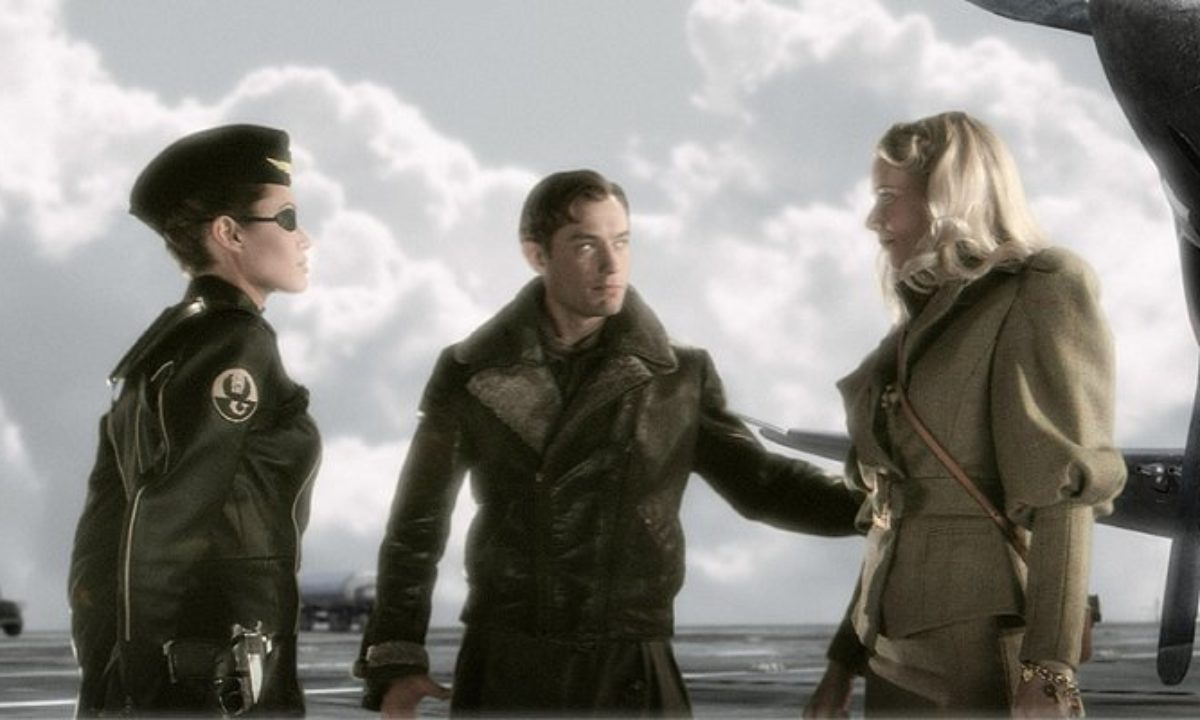
In the latest episode of Highbrow Lowbrow our theme is conflict on film. My pick is the cynical WWII film Play Dirty starring Michael Caine. Dan talks about the cult dieselpunk classic Sky Captain and the World of Tomorrow.
You can listen to the full episode here. Enjoy!

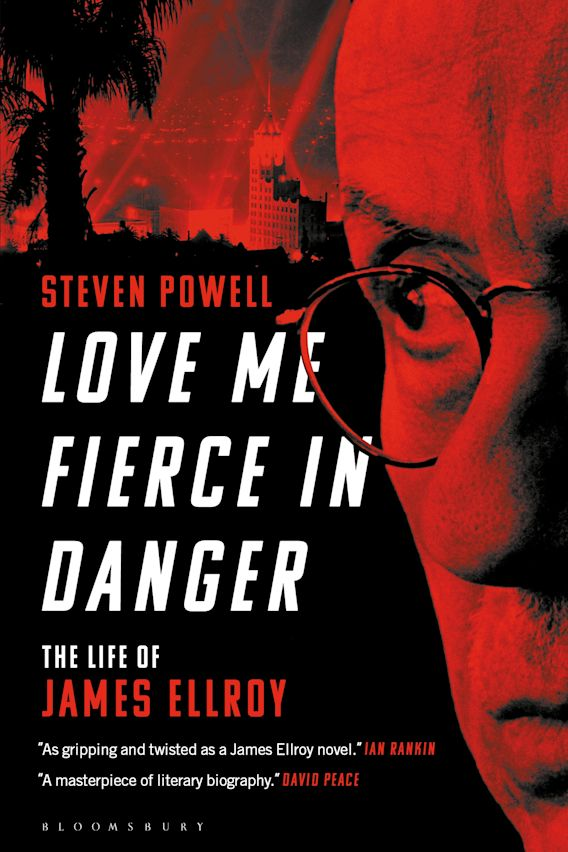
Love Me Fierce in Danger: The Life of James Ellroy – Author Steven Powell Interviewed by Duane Tucker
Love Me Fierce in Danger: The Life of James Ellroy has been published for a little under three months now, and so far the reviews and the response from readers has been incredible. I have done a number of interviews to promote the book. You’ll find my latest one below.
Duane Tucker is an actor and writer who was a friend of Ellroy’s for many years, and therefore figures in the biography. If you’re well-versed in Ellroy’s life and writing, you may recognise the name. Tucker interviewed Ellroy for Armchair Detective in 1984. That interview is shrouded in mystery. I won’t go into the details here, but let’s just say that Ellroy was at the beginning of his writing career and had few publicity opportunities at his disposal, so the interview was very helpful in establishing his author profile. Also, Tucker is the type of interviewer who has an uncanny knack for asking the questions that authors want to answer.
I was delighted that Tucker agreed to interview me about Love Me Fierce in Danger: The Life of James Ellroy, and it required no arm-twisting whatsoever. The interview is below. Enjoy:
Tucker: Congratulations on the Ellroy biography. It’s a dazzling take on a truly ikonic author.
Powell: Thank you! I’m glad I did the Demon Dog justice. He’s quite the character.
Tucker: Yes, I can attest to that. My first question would be, why Ellroy and why now?
Powell: Because Ellroy is one of the most significant figures in American literature of the twentieth and early twenty-first century. Note that I said literature, and not just crime fiction, although he has excelled in that as well. His LA Quartet novels are classics of the genre. With the Underworld USA trilogy, he began to draw the attention of more highbrow critics. In terms of ‘Why Now’, I have been planning this book for years. When I began my academic research on Ellroy there weren’t many scholarly articles published on him. Over the years that began to change, and with each article and book I published on Ellroy, I began to build up more material on the author which I realised could be useful for writing his biography. It’s difficult to believe no one has written a biography of Ellroy before now. He has all the ingredients of a fascinating life (murdered mother, early life of crime etc). I thought if no one else is going to write Ellroy’s life-story then I’ll do it myself.
Tucker: But someone else has written Ellroy’s life-story…
Powell: Ellroy himself!
Tucker: Exactly.
Powell: Ellroy has written two memoirs (My Dark Places and The Hilliker Curse), but neither book follows a chronological structure and both leave massive gaps in his biography. Having looked at everything published on Ellroy, I realised that decades of his life were unaccounted for. I could use his memoirs as sources, but I would scrupulously fact-check everything in them through the available documentation, witness testimony etc. I found that Ellroy’s life-story is far more compelling when told from an objective perspective, and not by the man himself.
Tucker: But you know Ellroy. Didn’t that lead to pressure to portray him favourably?
Powell: Indeed I do and I was honoured that Ellroy entrusted me with the massive task of being his biographer. But I knew from the start that I would be going over some controversial territory. Particularly, the tailspin Ellroy went through after his second divorce when he was going from one mad love affair to another. But there was no pressure from Ellroy. He was keen for me to talk to the women involved, and even if they had mixed feelings about Ellroy they would usually give me a balanced portrayal. They told me about his loving side as well as occasional cruel behaviour. It was these contradictory impulses that I wanted to get on the page.
Tucker: Describe the average working day in your life as James Ellroy’s biographer?
Powell: That would depend entirely on what point I was up to in the project at any given time. I may have been searching for people who knew Ellroy at some point in their lives, and seeing if they would agree to be interviewed. Finding people meant combing through marriage records, electoral registers, college yearbooks etc. The internet makes it easier as many of these records are now digitised. If my interview subject was a Hollywood celebrity, then I’d often have to get past their managers, agents and lawyers before I would be allowed to talk to them. Fortunately, most of the people I contacted did agree to be interviewed and their voices are included in the book. Knowing James Ellroy is an intense experience in itself, and people were more than willing to give me their testimony of the man and his era.
Other days might be focused entirely of writing and then redrafting.
Tucker: Speaking of Ellroy’s era, reading the book it occurred to me that he has lived through several major time periods. When researching the book was there any particular place and time that you would really love to have lived through?
Powell: Just one – Venice Beach in the late 1970s. Ellroy had joined Alcoholics Anonymous and was sober, happy and motivated to start his writing career. He was dating and doing all of the enjoyable things in life that addiction will rob from you. Plus, the people he was in AA with were the most extraordinary group you can imagine. Many of them went on to great careers in business, law and the arts. At the time though they were young and just starting their life again after getting sober. They called themselves ‘debris by the sea’.
Tucker: Are you pleased with the reaction to the book so far?
Powell: The reviews have been strong, and the response from readers has been fantastic. I think the book has broad appeal and is not just for Ellroy fans or readers of literary biography. The story really starts with the birth of his parents, and if you follow their lives through to where Ellroy is today then that’s over a hundred years of American history as the backdrop. Ellroy truly has lived through several eras.
Love Me Fierce in Danger: The Life of James Ellroy is published by Bloomsbury.
Highbrow Lowbrow: Midnight Run & Vantage Point
I am pleased to report that Highbrow Lowbrow is back! In this special action-movie episode, I discuss one of my favourite chase/road movies Midnight Run. My podcast co-host Dan Slattery’s pick is the time-bending political thriller Vantage Point. You can listen to the full episode here. Enjoy!
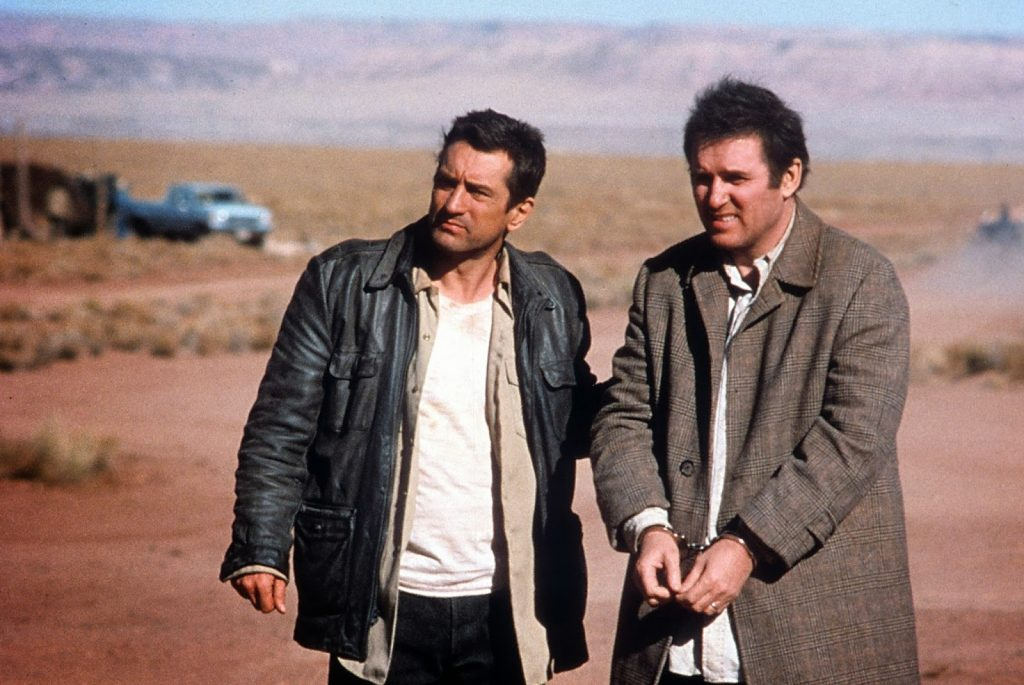
Robert De Niro and Charles Grodin in Midnight Run.
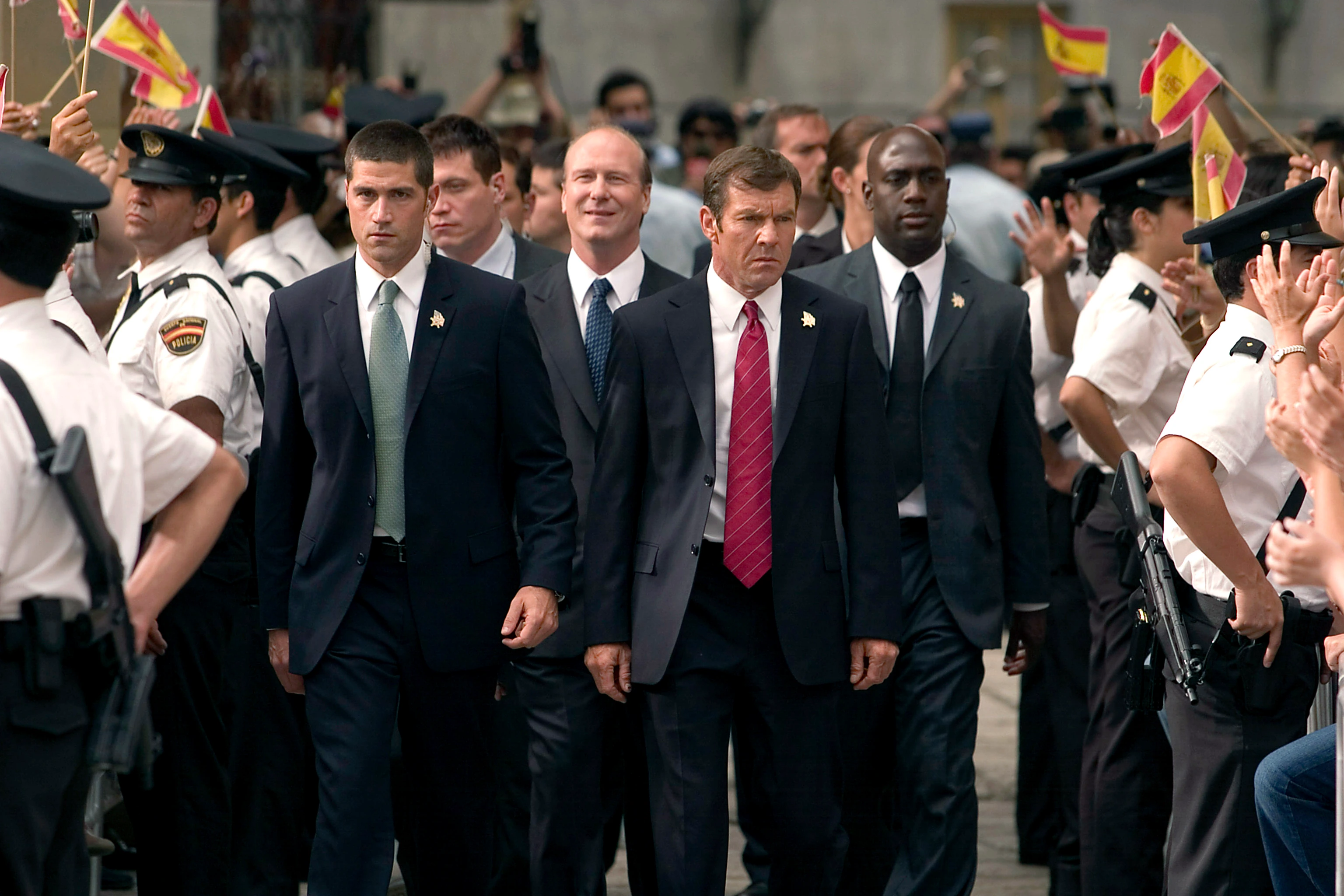
Watching all angles in Vantage Point.
Love Me Fierce in Danger: Author Interviews
I have done a number of interviews to publicise the release of Love Me Fierce in Danger: The Life of James Ellroy. I thought it would a good idea to compile them into a single space.
‘The Life and Legacy of James Ellroy’ by Andrew Nette on CrimeReads
‘Steven Powell with Jill Dearman’ by Jill Dearman on The Brooklyn Rail
‘Steven Powell & James Ellroy’ by Terrance Gelenter on Your American Friend in Paris
‘LA Providential: An Interview with Steven Powell’ by Brendan McCauley on Apocalypse Confidential
Most recently, I was interviewed by Brendan McCauley again for his wonderful podcast Tales From the Mall. You can listen to it here, and do subscribe.


 The Venetian Vase