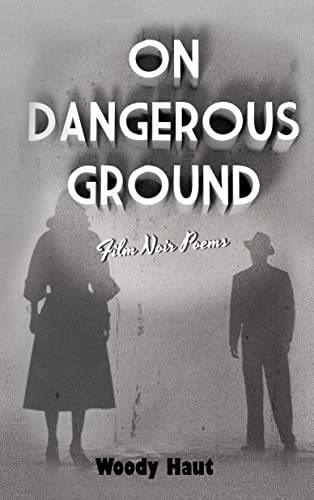
On Dangerous Ground: Film Noir Poems by Woody Haut – Review
Before I begin my review of Woody Haut’s excellent On Dangerous Ground: Film Noir Poems, I should confess to experiencing a twinge of jealousy when I read it. I’ve always loved film noir, and several years ago I tried to write a book about it. After doing months of research, I reluctantly concluded that the task was impossible. Almost everything that could be said about film noir has been covered in numerous books on the genre, and I couldn’t find an original angle. In despair, I started to write about James Ellroy’s life story. If I could just write a few pages about Ellroy it might inspire me to write about film noir, I thought. A few feverish months later and I had a contract with Bloomsbury to write James Ellroy’s biography. You have to listen to these signs the universe is sending you as a writer.
But upon reading Haut’s On Dangerous Ground, I couldn’t help feeling a tad mournful for my aborted book on film noir and what could have been…
Haut has a simple and ingenious approach. He has taken fifty classic film noirs and written a poem for each one. Some of the titles are canonical (The Maltese Falcon and Chinatown) and others are a little more obscure (Pushover and Try and Get Me). Haut’s poetry mirrors the hardboiled style of noir, whilst also embodying the fatalism, the dark romanticism and frustrated machismo as that elusive score or femme fatale is always just a little bit out of reach of our protagonist. He brilliantly distils the plots and winks at the reader when this is impossible. Perhaps that’s the enduring appeal of noir. It doesn’t matter that The Big Sleep is narratively incoherent or that Gilda isn’t even a very good movie. It’s the style, setting, ambience, sexual desire, even the ethos, or lack of one, that keeps drawing us back.
I read On Dangerous Ground in one glorious sitting. I advise you to do the same. But first pour yourself a scotch on the rocks, light a Chesterfield, and think of that lover from your past who was worth going to hell for.
Highbrow Lowbrow: College Movies Edition
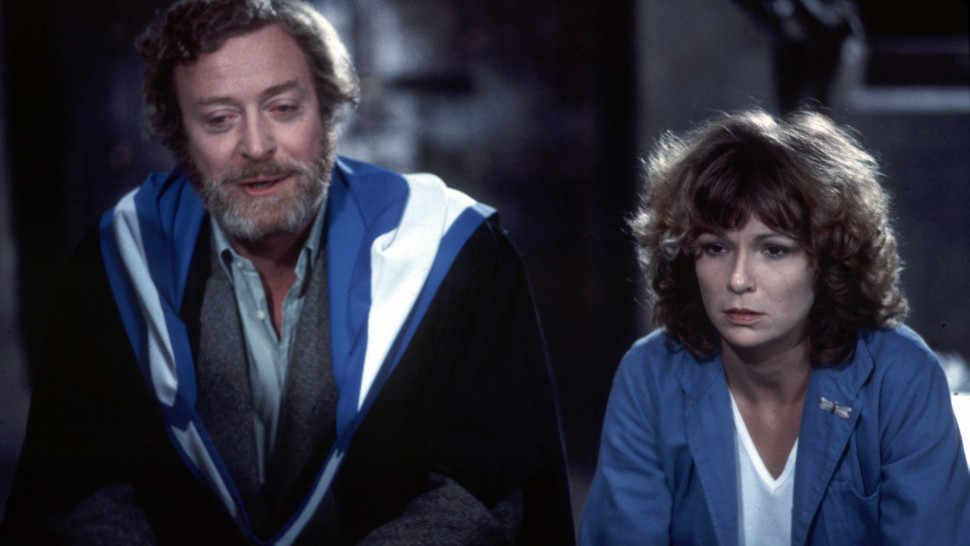
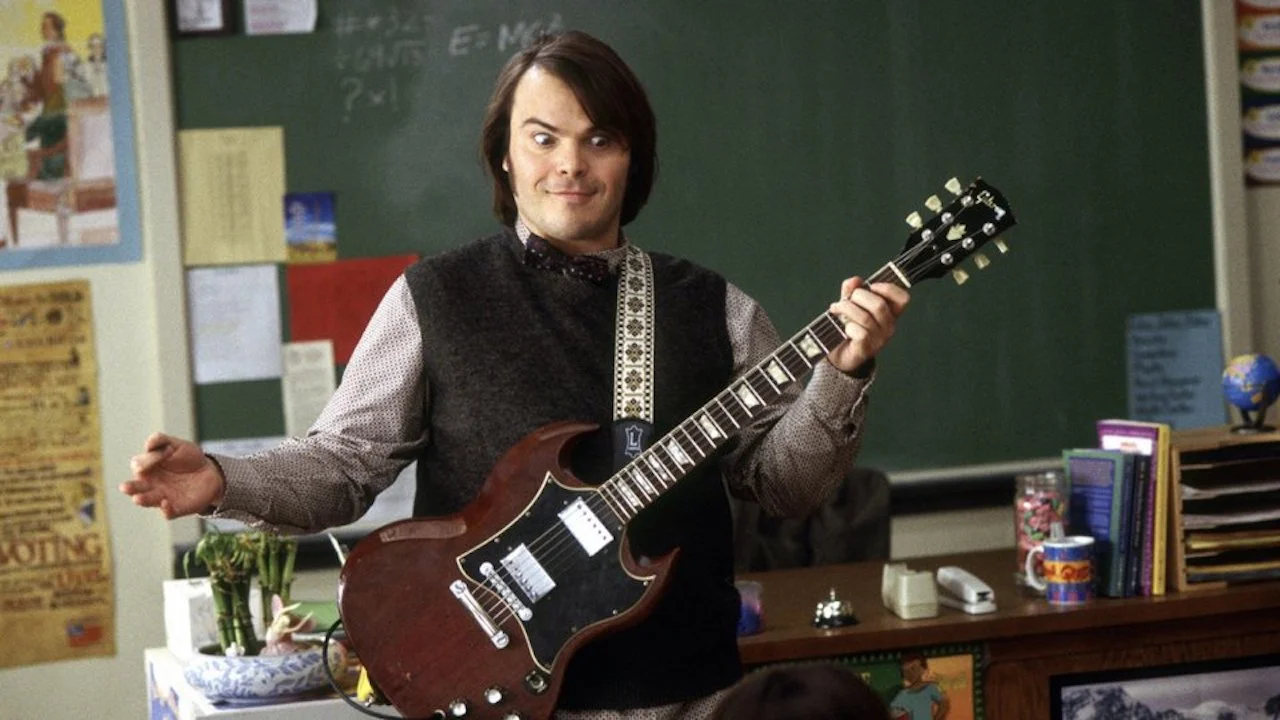
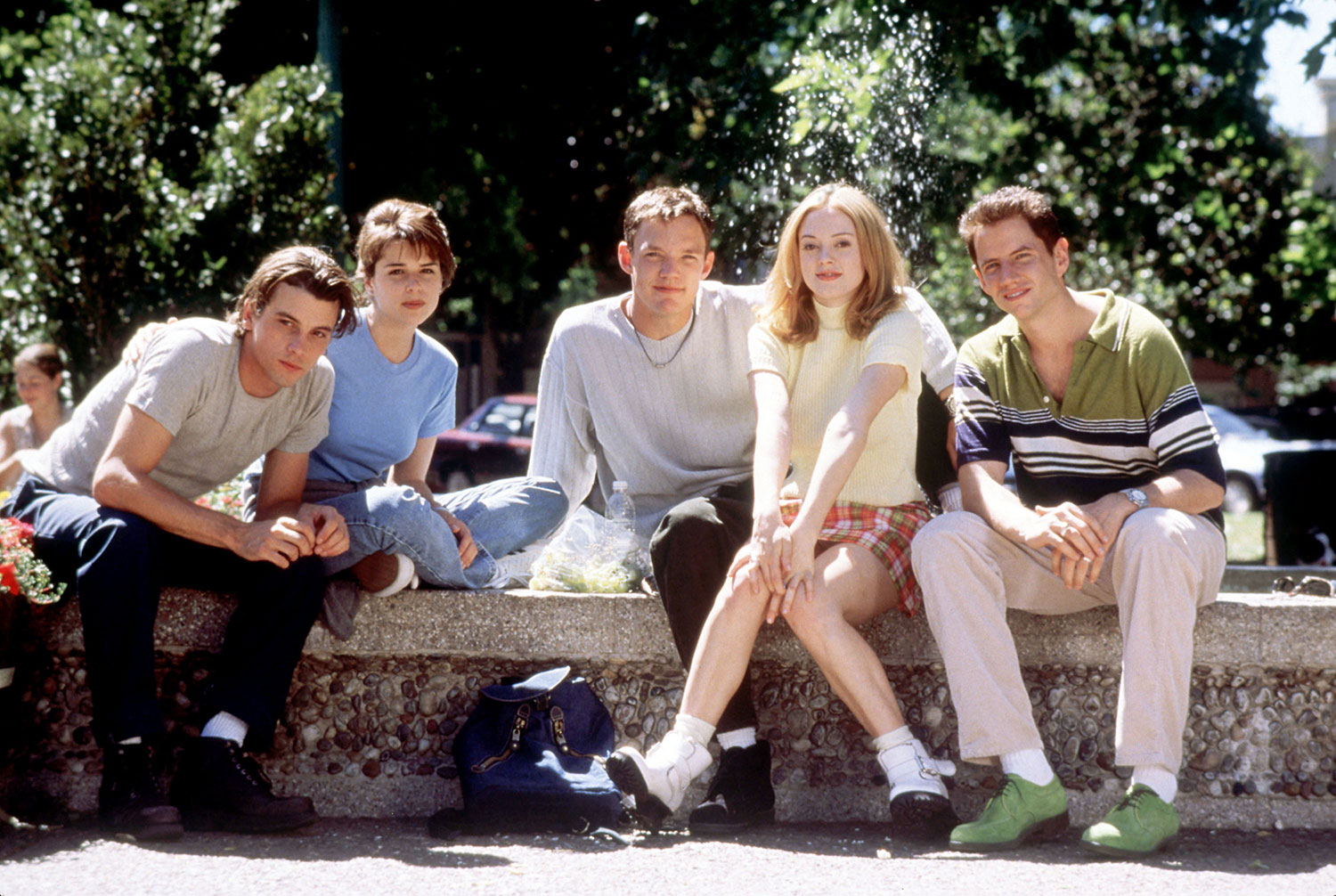
The latest episode of Highbrow Lowbrow is available to listen to now. This episode is a special college-themed edition, and we are joined by our good friend and University of Liverpool colleague Chris Simon. My highbrow pick is Educating Rita, Chris’s middlebrow pick is School of Rock, and Dan’s lowbrow pick is Scream.
The overall theme is movies with an education setting that can help viewers with their wellbeing, particularly if they are students who need time to decompress from their studies.
You can listen to the episode here.
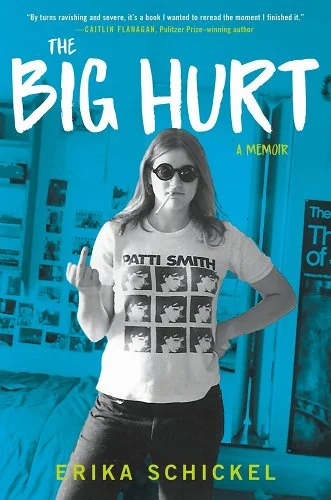
The Big Hurt by Erika Schickel – Review
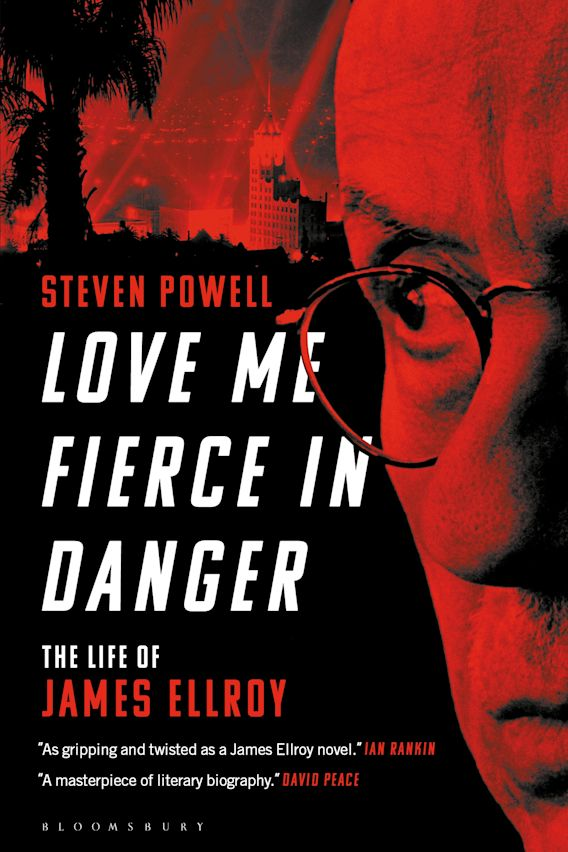
In August 2021, a book was released about James Ellroy and many readers of this website will have already read it. No, I’m not talking about Love Me Fierce in Danger: The Life of James Ellroy. That was published eighteen months later by Bloomsbury, and you should definitely buy and read a copy of it by the way. The book I am referring to is Erika Schickel’s The Big Hurt: A Memoir which concerns, among other matters, her turbulent love affair with James Ellroy.
As this website is predominantly about James Ellroy, some readers may be surprised that I didn’t review the book at the time of publication. Well actually I did, as Ellroy’s biographer I had the nerve-wracking task of telling him about everything that was in the book. But now that some time has passed, I feel I can review the book in a more traditional sense. The book upset some Ellroy fans and understandably so. It’s probably every person’s worst nightmare to have an ex-partner write a book about them. However, having read the book numerous times and very carefully, my assessment of it might surprise you. Not only do I think this is a fine memoir, but it’s possible that many Ellroy readers will enjoy it as well.
Firstly, Erika’s relationship with Ellroy comprises a memorable but relatively small portion of the text. It’s used mostly to bookend the main narrative, which concerns Erika’s upbringing, her relationship with her parents (film critic Richard Schickel and novelist Julia Whedon), and her attendance at the prestigious Buxton School which came to an abrupt end after school officials discovered she was having an affair with a teacher. These sections of the book are very pleasurable to read. Erika unfolds them at a leisurely pace. There are many delightful period details (she becomes a fan of Top of the Pops while living in England), and plenty of moments that feel ripped from the pages of a DH Lawrence novel. For instance, Erika’s married teacher initiates their affair by taking her out to some meadows and telling her, ‘I am in torment’. The overall tone is one of melancholy, however. The strain of living up to the expectations of famous parents, who go through their own messy divorce, and the hypocrisy of life at an elite school all makes for compelling reading. Erika’s portrayal of Buxton is not flattering. Students are practically encouraged to have sex with each other, and the school turns a blind eye to them having affairs with teachers. Why, then, was Erika made an example of for her transgressions?
There are probably some readers who want to skip these sections to get to the scandalous details of Erika’s affair with Ellroy. They won’t be disappointed, but despite some candid moments this is more of a love story than a scandal rag expose. Erika never once blames Ellroy for the woes that befall her. She is blunt about his flaws but she is also generous about his many qualities. Erika and Ellroy meet at the LA Times Festival of Books and he tells her he’s writing a memoir titled The Big Hurt (which was subsequently retitled The Hilliker Curse, a book far more damaging to Ellroy’s reputation than this one). Over the next couple of years Erika loses her husband, her friends and her relationship with her daughters comes under strain, all because of the overwhelming sexual attraction between her and the Demon Dog. This perhaps, is the greatest strength and also biggest flaw of the book. It starts off sensual and erotic, but by the end you feel worn down by the constant sex and the emotional price tag attached. That, perhaps is the biggest hurt of all.
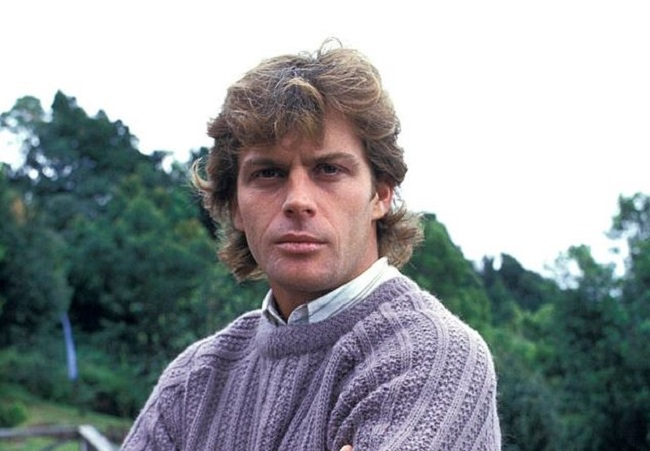
There are many showbiz stories about actors who could have played James Bond onscreen. With Daniel Craig stepping down from the role, the rumour mill has started again. One ‘he could have been Bond’ story that has always intrigued me more than the rest is that of Finlay Light. Light’s name has popped up now and again in Bond histories and chat forums. He was an Australian model who was in contention to play the role after Roger Moore stepped down in the 1980s, but not much more was publicly known about the story, including how close he came to the part. I wrote a piece a few years ago, investigating the Finlay Light rumours and appealing for more information.
Sure enough, a very close friend of Finlay’s reached out and said he would be prepared to talk to me. I had a wonderful conversation with Finlay. He’s funny, charming and intelligent, but with just the right dash of Australian abrasiveness to make for a potent Bondian mix. The story of how he was cast as James Bond, before ultimately losing the role is told by Finlay below. I came away from the interview surprised by how close he came to the part–actually, the part was officially his for awhile– and convinced he would have been a great James Bond.
Interviewer: Do you want to start by telling me about your career in the modelling industry or the acting industry, which came first?
Light: The modelling industry first. I was probably the top model in Australia, I’m not saying that to be egotistical. After Roger Moore, the Broccoli family had decided, for whatever reason, they had become (the films) mundane and they were unhappy. I thought Roger Moore, particularly when he was in The Saint, I use to think he was amazing, but the scripts became sort of comical and he didn’t fit the bill. So, there was a worldwide search for a replacement. Barbara Broccoli, who is now the producer of the Bond films, she came to Australia. It wasn’t so much a screentest, it was more like sitting in a video room and talking to the camera. Her asking questions and me responding, but not any form of performance. Anyway, she took that video back to Los Angeles and John Glen, who was then the director, he flew out to Australia, saw me, and interviewed me and we spent a couple of hours together. The Broccoli family and him decided to bring me to Los Angeles for a few months and sign a contract which was the size of a Tolstoy novel. I was doing stunt training, voice coaching and dot dot dot dot dot dot dot. Anyway, they were absolutely firm that they wanted me to be in the film. It was announced on, what is that stupid show in America, LA Tonight or something (The Tonight Show). So, I actually had the role and now I had helicopters landing in my back padding and photographers up trees. But the funniest thing is that United Artists, who are the distributors of the Bond films, had just been purchased by some multi multi-billionaire real estate magnate (Philip Anschutz) who owned the LA Lakers and the ice hockey team in Los Angeles and… I did a screentest with a full soundstage, I think it was 500,000 US for the cost of it, and they loved it, the Broccoli family loved it. I was fighting and making love and all that bullshit. But this fella who bought United Artists said ‘Look, this guy can act, he can fight but I don’t want to go with an unknown.’ This company being the distributor of the Bond films, they (the Broccolis’) had to just say ‘alright’ and that’s when Pierce Brosnan got the role.
Interviewer: And then he lost the role himself, the first time around, to Timothy Dalton.
Light: Yes, exactly. Just the politics involved, I realised afterwards the effect. It was traumatic, not that I was being avaricious in wanting it. When I realised the structure of the business world within the film industry… well, fuck. Everyone has to start somewhere. Sean Connery was a bloody coal miner for God’s sake. Barbara Broccoli, she lay across my bed and said ‘the thing that you’ve got is exactly the same enigmatic charisma as Sean Connery. We’ve never seen that with anyone else we’ve tried to cast in the role.’ She was being candid, and of course it was very flattering but, at the end of the day, it went down to a business decision.
Interviewer: What were your feelings during the whole event? You said that it was traumatic looking back. Were you excited? Did you think I’m going to be a huge movie star?
Light: Strangely enough, being in the public eye most of my life, I’m a shy person. I was absolutely excited because if you are working with a director and you’ve got a reasonable script, you can do anything. If you’ve got a good director, it frees you and you can just become the character that you’re actually pursuing. I thought John Glen was a really terrific guy, and empathetic and good at what he did.
Interviewer: So, you started as a model first. But looking at IMDB, which I know isn’t always that reliable, you had a role in a show called Case for the Defence.
Light: That was rubbish TV. It was supposed to be a TV drama, but it was more of a soap opera. Yeah, I had done theatre. I worked at the Sydney Opera House doing A Streetcar Named Desire with Hugh Keays-Byrne and Jacki Weaver. But the director used to say to me, ‘You’ve got so much talent. Why are you so awkward about it?’ and I went ‘I’m just not good with attention’. That was confirmed utterly when it was announced I had the role of Bond, and suddenly there were TV crews knocking at my door. I was living in the country in a house that I built myself, and I felt ‘Oh my God, if this is what it’s going to be like’. A mate of mine, Jackson Browne the singer, he’s one of the very few people I know who’s had incredible stardom, but he handles it with incredible grace when people are coming up to him and talking to him. I find it stultifying.
Interviewer: Did you feel like it was affecting your family? Were you married at the time?
Light: Yes I was married, and while I was in Los Angeles, I ended up having an affair with a girl who worked in a bar. Then I realised, later down the track, that I was being followed everywhere by photographers and private detectives to see what I was doing. I thought, wow, I was so naïve really. I saw these people ran a franchise that was so big they needed to know if you’ll behave yourself.
Interviewer: I believe similar things happened to George Lazenby.
Light: George Lazenby, God love him, but he was sleeping with every woman in the cast. I thought he was pretty good in the part. The incumbent (Daniel Craig) was the most reflective of Sean Connery there has ever been. On top of that, he’s a very fine actor. I’d seen him in other films before he got the Bond role. He’s the most reflective of Sean Connery, an updated version.
Interviewer: In the eighties, I don’t know if you were aware of this when you were being courted and signed, but a few other Australian and New Zealander actors were also in the mix, like Sam Neill and Mel Gibson. I don’t know if they really wanted an Australian at that time.
Light: I don’t think it was that so much. There was another guy I was in Los Angeles with, Andrew Clarke, an Australian actor, and he basically said, ‘I don’t want it’. The original fee was about $250,000. My agent said, there’s a whole lot of other things you’ll be paid for. You’ll travel all around the world, and if the film is a success, you can demand what you want. I wish I still had the contract. In various house moves it got lost somewhere, but it really was the size of a Tolstoy novel. But anyway look, it is what it is, and there’s no point crying about it. Basically, I’m quite a shy person, and I don’t think I could have dealt with the notoriety and the fame.
Interviewer: Was it that that made you leave the business?
Light: I was still going to Sydney and doing TV commercials and stuff for my agent, but basically, I thought ‘I’ll go now’. Even when I was modelling, I’d be going on a bloody bus and people would recognise me, and I was walking through a department store, going up the escalator and people would come up to me. You either crave it or you don’t, and I’ve never craved fame, but it’s followed me around a lot in my life.
Interviewer: You’re a professional builder now, or you have been for most of your life?
Light: Yeah, I’ve stopped building now, but I still make furniture and that gives me great joy.
Interviewer: Did you ever hear from anyone in the Bond world again?
Light: I mentioned Barbara Broccoli before. I could tell that she wanted me to make love to her, and I didn’t think it would be wise. You’re shitting in your own nest if you do that sort of thing. Look mate, it’s a long time ago and I’m fine with it. It’s so funny, I use to play cricket for a very celebrated hotel in Byron Bay that was owned by John Cornell, the guy who produced the Crocodile Dundee films. He was a friend of mine. I used to play cricket for the team of that hotel, and he got a T-shirt specifically made up for me that made me laugh hysterically, saying 006 and a half on the back of my shirt! I thought that was unique.
‘The Beach Blonde’ in Apocalypse Confidential
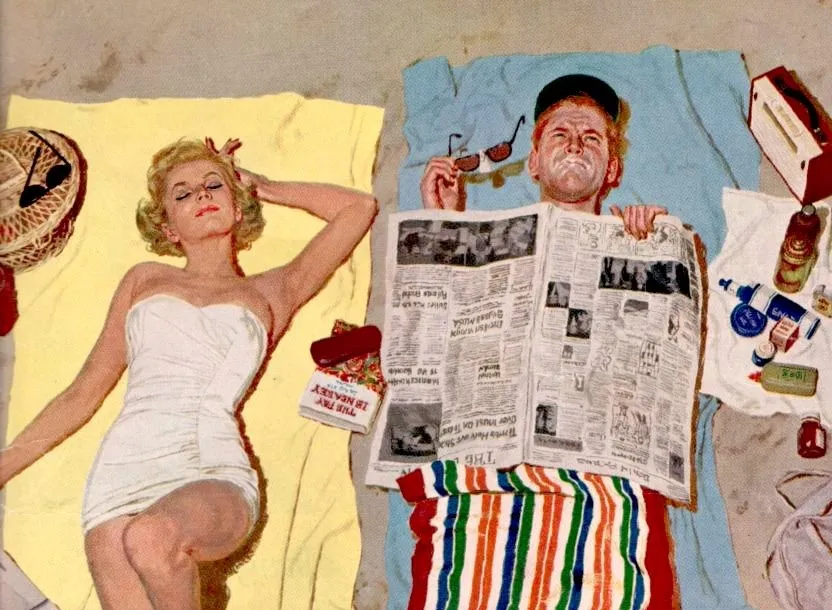
I am delighted to say that my short story ‘The Beach Blonde’ has been published in the latest issue of the great online noir magazine Apocalypse Confidential. If you’re a fan of James Ellroy, crime fiction or noir in general, then I think you might like this story. Here’s a taster:
“If you seek a pleasant peninsula, leave Detroit”. That should be the State motto, not Si Quæris Peninsulam Amœnam Circumspice, Jimmy thought, as he walked briskly through the streets of Roseville. He looked at his watch, the time was 5:20 PM and the darkness of a winter night had already descended over Gratiot Avenue, alleviated only by a few dimly lit street lamps and shafts of light emanating behind drawn bedroom curtains. Jimmy looked up at the second story of all the houses to see if he could catch an erotic moment. The grim outline of his motel slowly came into view. It was a pathetic sight, all peeling paint and brown hued windows, but it was still Jimmy’s home and it was still Jimmy’s business. READ MORE
Fourteen Years of the Venetian Vase
WordPress informs me that the Venetian Vase is fourteen years old today. Blogs are like journals. Many people start writing one, few sustain them. I have kept this site going partly through the help and support of some wonderful friends and family (you know who are you are!). Although there have been times when I felt like calling it a day, I just knew I would miss the readers and instant interaction that comes with an online presence. Over the past fourteen years I have managed to write and/or edit five books, and I wouldn’t have been able to do that without constantly honing my craft on this site.
Thank you to everyone who has subscribed or stopped by to read both my posts and the work of guest contributors. By a happy coincidence, I’ll be posting a big interview here next week to celebrate.
If you like what you read here, why not check out my latest book Love Me Fierce in Danger: The Life of James Ellroy published by Bloomsbury.
An Interview with Andrew Nette: Author of Orphan Road
Orphan Road is the long-awaited follow-up novel to Gunshine State by Andrew Nette. Nette has brought back his signature character Gary Chance — a bruising but likeable professional thief who is always looking for that one big score that can take him out of the criminal underworld. In Orphan Road, Chance thinks he has found just that job. But the twist is that the heist happened several decades ago, and Chance just needs to find the loot. Chance soon discovers things are far less simple than they first appear.
Orphan Road is a terrific ‘heist gone wrong’ story that had me hooked from first page till last. I was delighted when author Andrew Nette agreed to talk to me about the writing of the book.
Interviewer: This is your second Gary Chance novel. Could you tell us a little about the character, and how he has changed since his first appearance in Gunshine State.
Nette: Gary Chance is an ex-Australian army truck driver, ex bouncer and a professional thief. In terms of his literary influences, when I wrote about him in Gunshine State, I had in my head a mixture of Donald Westlake’s Parker and Australian author Garry Disher’s Wyatt.
Then, several years after the release of Gunshine State I watched the television show, Mr Inbetween, which is about a Sydney bouncer at a strip club who side-lines as a stand-over man and a hitman, and I thought the show’s character – his name is Ray Shoesmith – is so much like how I imagine Chance, it’s not funny. Chance can be ruthless in the best hardboiled tradition, but he is also very Australian which I suppose means, he also has a laconic and humorous side to him, amongst other things.
Anyway, I am not sure that as a character Chance has changed all that much between books. He is still a thief and most of the jobs he is involved in go belly up for various reasons. He wants to get out of the criminal life but at the same time, it’s all he really knows. So, like Parker and Wyatt and other professional thieves in fiction, he is keen for that big score that will enable him to break out of the criminal scene.
In Orphan Road, this potential way out comes in the form of an offer from a former employer, once notorious Melbourne social identity, now aging owner of a failing S&M club, Vera Leigh – who first appeared in Gunshine State. Leigh’s business is gradually being squeezed out of a rapidly gentrifying Melbourne. But she has a plan to get out of her problems that involves one of Australia’s biggest heists, Melbourne’s Great Bookie Robbery. Leigh has intelligence that in addition to cash money, a cache of diamonds was stolen during the robbery and never recovered. She asks Chance to help her find them. Of course, they are not the only people searching for stones.

Interviewer: Orphan Road has elements of a heist narrative, but it is rooted in historical fact as you work in the Great Bookie Robbery of 1976. How did you first become hooked on this real-life crime and why did you choose to incorporate it into the novel?
Nette: I initially wrote Gunshine State because I love heist gone wrong stories and, with the exception of Disher, I thought that the sub-genre had been criminally under done in Australia. I am not sure I would say I am hooked on real life crime, but I am fascinated by the criminal history of Melbourne and, indeed, Australia. I suspect that a lot of this is a reaction of sorts to the fact that the city has changed so much and become so gentrified.
It’s also because, as the cliché goes, reality is so much stranger than fiction, and thus is the case with the Great Bookie Robbery and its aftermath. As I said above, the money from the Great Bookie Robbery was never recovered and no one who was involved in it was ever jailed for the crime. Instead, the thieves, whose identity was an open secret in the then Melbourne underworld, fell out among themselves and in the years that followed they left a trail of corpses in their wake.
There’s a fair bit of true crime history in Gunshine State, as well. But in terms of the decision to specifically set a novel in the aftermath of the Great Bookie Robbery, I have to credit Wallace Stroby’s excellent series of books featuring the female criminal, Crissa Stone. While I didn’t re-read it whilst writing Orphan Road, in the back of my mind was Stroby’s 2021 book, Kings of Midnight. In it, Stone gets involved with a retired gangster and one of the few surviving members of the gang behind the infamous real-life Lufthansa heist from Kennedy Airport in 1978 (popularised in 1990 film, Goodfellas). The gangster recruits Stone to help him retrieve two million dollars from the heist that was hidden by a recently deceased mobster. This was the initial inspiration for the idea of a story revolving around the idea that money wasn’t the only thing stolen from the Melbourne Bookie Club that day in 1976.
Interviewer: In addition to the Great Bookie Robbery, you also work in Australia’s involvement in the Vietnam War and the organised crime scene in Philadelphia. What appeals to you specifically about historical crime fiction?
Nette: Philadelphia was worked in because it is my favourite American city and I thought it would be cool to take Chance there as part of his efforts to find the diamonds. The aftermath of the Vietnam War was yet another thing that has had very little direct play in Australian crime fiction. The aftermath of the war was also part of the wider milieu that surrounding the Great Bookie Robbery.
Interviewer: Orphan Road is a relatively and enjoyably short novel, given the history you have woven into it, how do you stop the plot from sprawling uncontrollably?
Nette: The simple answer is that Orphan Road was as long as I felt it needed to be. I do fret a bit that people will think it is too short, but that was the length it worked out at.
Having said that, personally I am a fan of shorter crime novels. For a start, I just don’t have time to read many really long novels these days. Also, while some people can get away with writing good crime fiction that is also long – James Ellroy springs to mind (although not so much these days) and Don Winslow is another example – for the most part, I very seldom ever come away from a long crime read not thinking that would have been so much better if it had been shorter and tighter, and I wonder why someone didn’t tap the author on the shoulder and suggest cuts.
Interviewer: Australian crime fiction is a thriving scene. You’ve interviewed many crime writers yourself. Are there any writers, Australian or otherwise, who you would credit as big influences on Orphan Road?
Nette: I have already mentioned Disher, who is one of Australia’s leading crime writers. I am not sure that they have been a direct influence in terms of either Gunshine State or Orphan Road, but two local authors who are an influence more generally, because they are both so bloody good and I want to write as, are David Whish-Wilson, who is based in Western Australia, and Iain Ryan, who is a Melbourne writer (and a friend). Your readers would be advised to check both out. Jock Serong is also very good. Ditto Leigh Redhead, although she does not write so much now. I would also recommend the half a dozen entries in the late Peter Corris’s Cliff Hardy series of books and Emma Viskic’s Caleb Zelic series.
Orphan Road by Andrew Nette is published by Down and Out Books.
Highbrow Lowbrow: The Reckoning vs Dirty Weekend
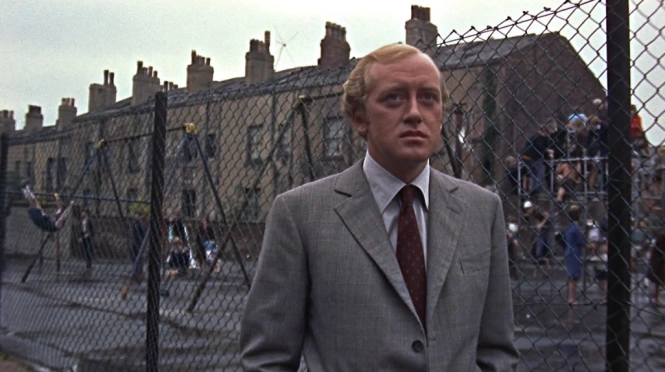
The latest episode of Highbrow Lowbrow is now live. Today’s theme is revenge films. Yup, getting even is better than getting mad. My choice is The Reckoning starring the wonderful, irascible, mercurial British actor Nicol Williamson. Williamson plays Michael Marler, a successful London businessman who returns to his home town of Liverpool to visit his ailing father, only to discover his father is dead and was murdered by a local thug. Marler will risk everything he has to exact revenge on his father’s killer.
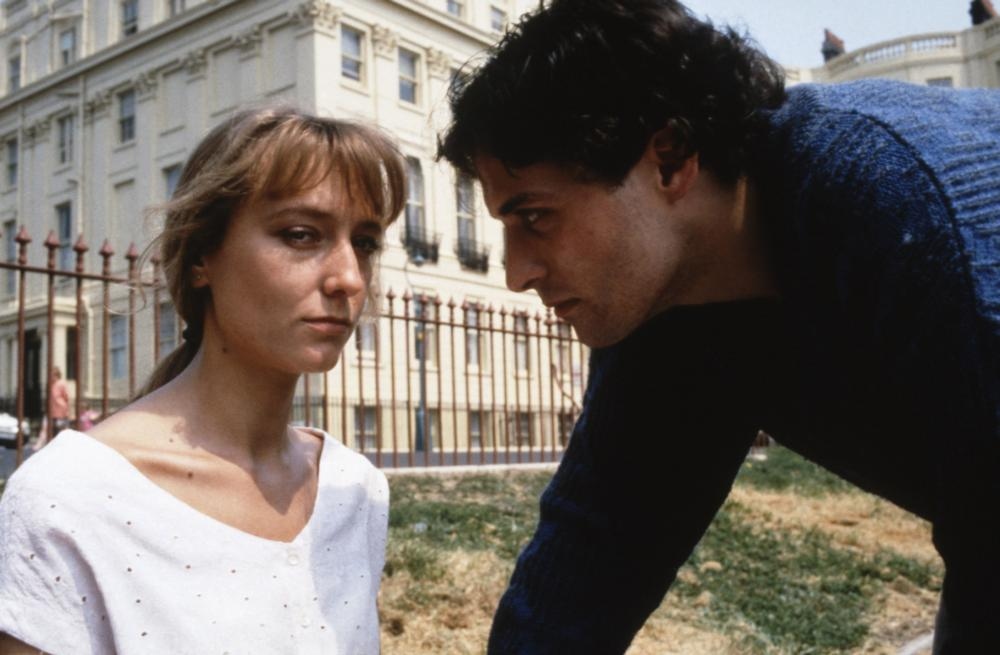
My podcast co-host Dan Slattery’s pick is Dirty Weekend. One of the best films directed by Michael Winner, Dirty Weekend is a female vigilante ‘Dirty Harriet’ tale based on a novel by Helen Zahavi. Lia Williams plays Bella, a woman who goes on a killing spree after deciding she’s ‘had enough’ of daily misogyny.
You can listen here.
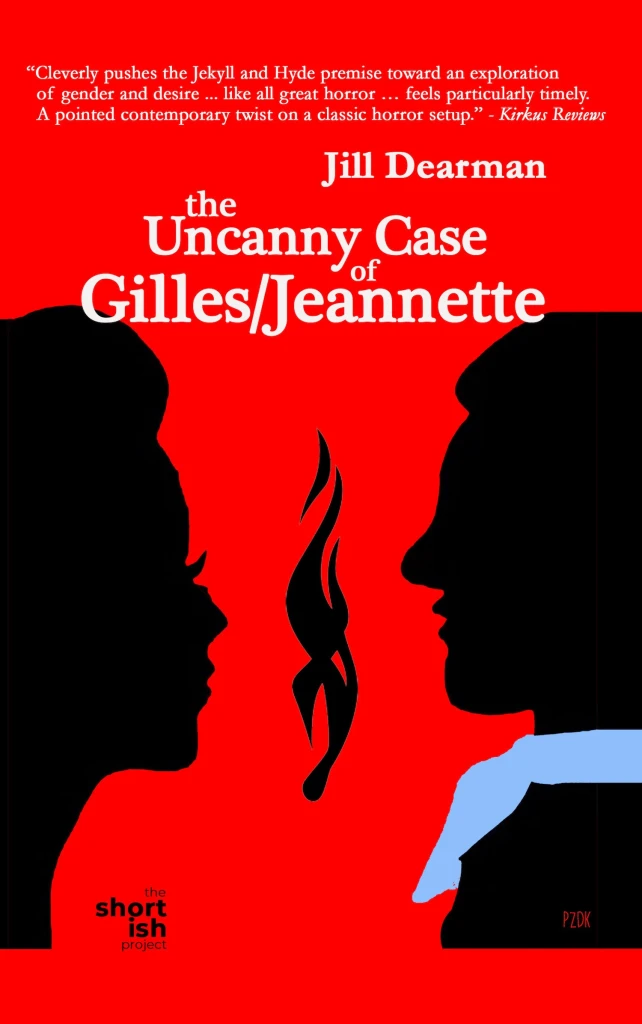
Jill Dearman is one of the most innovative noir authors writing on sexuality and gender today. I have covered her excellent novels The Great Bravura and Jazzed on this site before, so I was thrilled to receive an advance copy of her latest novella The Uncanny Case of Gilles/Jeannette. In this tale, Jill reimagines Robert Louis Stevenson’s classic Gothic novella Strange Case of Dr Jekyll and Mr Hyde into a queer gender-swapped tale of transitioning.
Ella’s partner Simon (formerly Simone) is transitioning. While Ella is supportive, she misses the woman that she fell in love with. Around the same time, Ella inherits an old inn from her grandmother in Hudson, New York. At the inn she discovers a diary from 1933, telling the story of Jeannette, daughter of the original innkeeper. Jeannette has romantic feelings for Dahlia, who has rebuffed her on the grounds that she is only interested in men. Jeannette takes a novel approach to overcome the dilemma, she decides to become a man, but this unleashes an increasingly dark side of her character and… well, I won’t say anymore to avoid spoilers.
The Uncanny Case of Gilles/Jeannette is a gripping, twisted tale, brilliantly rendered by Dearman, that should appeal to anyone interested in sexuality and gothic fantasy. I was delighted when Jill agreed to talk to me about writing the novella.
Interviewer: Where did you first get the idea of framing a gender transition narrative around the Jekyll and Hyde premise?
Much like the way Robert Louis Stevenson spoke of Jekyll and Hyde coming to him in a fevered dream, Gilles/Jeannette came to me in a sort of waking dream. It happened on March 3rd and 4th, 2020, a week or so before New York City was about to go into COVID lockdown. I wrote it out in bed in a mad rush, as a detailed treatment, much like one would do for a screenplay. I had lived (as had my parents and their parents) in New York City my whole life, but was transitioning to moving upstate to the Hudson Valley with my child. We were going upstate on weekends and planning to move up permanently in six months for the school year. But on these early days of March there was no official crisis yet, just incredible tension in the air.
I thought about where to set the story – having previously set all my fiction in New York City – and the idea of placing it in the Hudson Valley really set me on fire. I’ve always loved the gothic trope in which a character from the so-called “civilized” city moves up to the country and finds themselves not just “in the wild,” but face to face with the wild animal within.
Since Jekyll and Hyde is about transformation, it seemed so exciting to explore the transformation from female to male, so I came up with the framing story first. A young Brooklynite lesbian inherits an old Inn and in the basement she finds a diary filled with a horror tale from the past. As she reads about the dual characters from the past, she herself is dealing with the complexities of a changing relationship, as her lesbian lover is transitioning to male.
And to add to the “uncanny” throughline, we left New York City for the Hudson Valley just twelve days after I wrote the bones of the story down, never to return! That had not been the plan, but that’s what occurred. And then at the end of the following year, my child came out as genderfluid and took the name “Phoenix.” Phoenix ended up doing the cover art for the novella when it was complete! Phoenix’s journey was not one I expected, but this is not the first time for me that life has imitated art – a story comes to me and something in real life mirrors it.
Interviewer: Has the story of the Strange Case of Dr Jekyll and Mr Hyde always been an important one to you emotionally, and how do you rate the work of Robert Louis Stevenson?
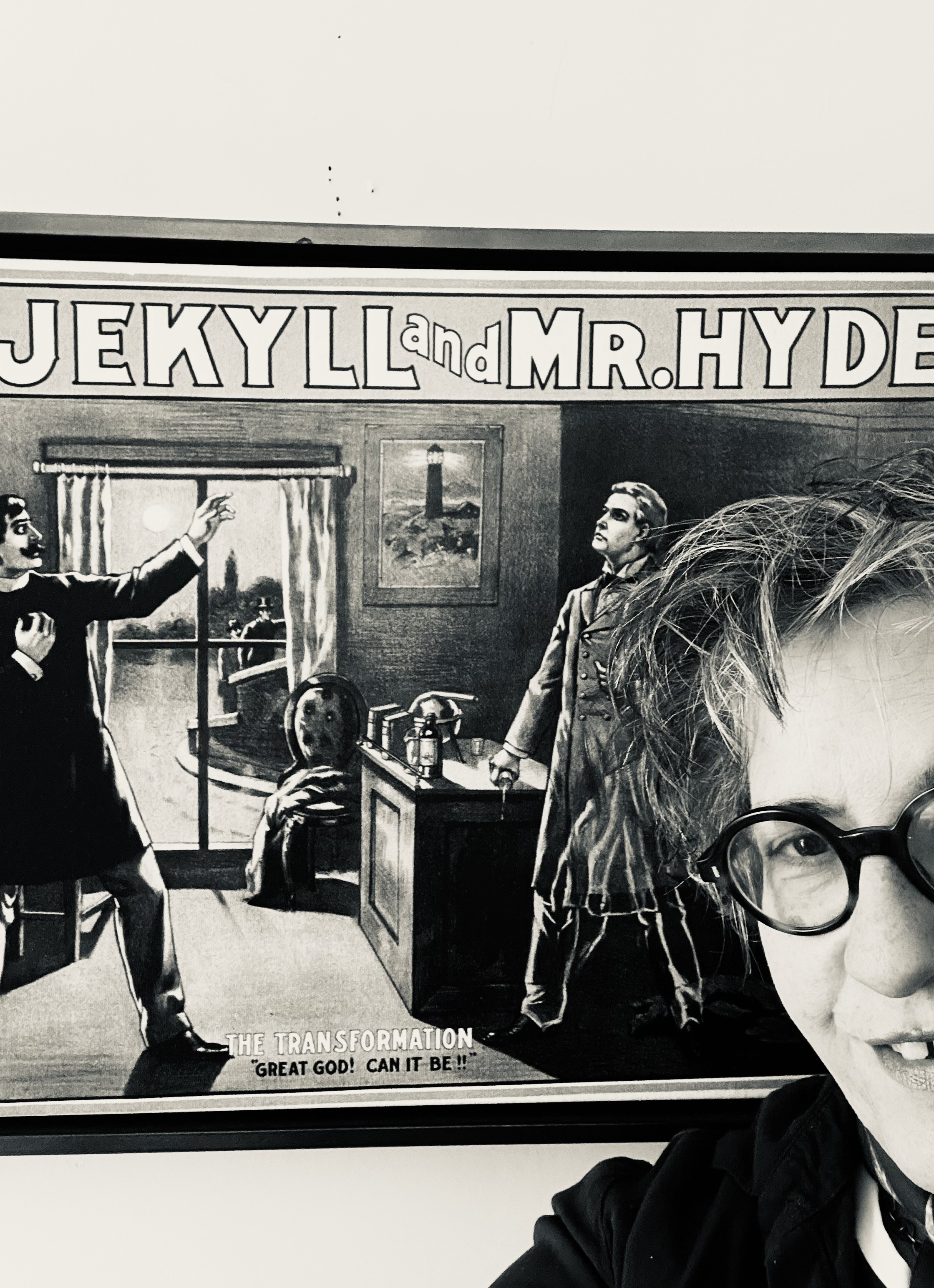
Oh absolutely. Both of Stevenson’s characters are so vivid and real; they are separate and yet the same. We all have our inner demons and our public persona. When I was in college, my thesis project was on “the double.” I often teach the prose poem “Borges and I” on my first day of writing class at New York University. I do like the short works that are included in the Penguin edition of the novella too. But Stevenson as a character himself is who I find truly fascinating. I include a brief author’s note in Uncanny which quotes the homophobic Labouchere Amendment passed in the U.K. the year before Jekyll and Hyde’s publication. There has long been curiosity about Stevenson’s sexuality, and that certainly stoked the fires for me as I wrote my novella.
Interviewer: The Uncanny Case of Gilles/Jeannette jumps between two timeframes as it alternates between the story of Ella and Simon and Jeannette and Dahlia. Why did you pick the present day and the 1933 setting to tell this transition love story?
The idea of a present-day character discovering a diary from the past was always in my mind. And I really wanted to explore the moment we are living in – in which trans lives that were once hidden are being revealed – and how polarized the reactions are. Of course, I support all trans people, especially kids, but like Robert Louis Stevenson, I am also a Scorpio – ha! – and am the most interested in the complexities of sexuality. I wanted to explore the subject in a physical as well as an emotional way.
And as for the 1933 story, my previous novel Jazzed, was set in the 1920s, and the novel before that, The Great Bravura, in the 1940s. The first half of the American century has a lot of juice for me, probably because of my parents and their strong association with those times. I also had a feeling that writing about the Great Depression would be fascinating, thus I was pulled to the 1930s. And then lo and behold when I started to research Hudson in that era, it turned out it was known for vice and gambling – much more debaucherous than it is now. And of course I loved that! Add to this, the fact that the town itself had something of a split personality then – the gamblers and prostitutes on one side and the Quakers on the other. Doing historical research to truly capture an era is one of my favorite activities, so I was really lit too while writing. Add to that that there is a specific bit of racist and criminal history from Hudson circa 1933, that I felt even more compelled to explore the labyrinth of connections through fiction.
Interviewer: When I see the name Dahlia, I can’t help but think of James Ellroy. Was he an influence, however allusive? If not, can you name some other authors that were your main influences?
I love how we always come back to Mr. Ellroy, Steven! I do love the name! And interestingly, my late wife Anne and I were considering it as a middle name when our child was born. Where I think I most connect with James Ellroy is through his memoir My Dark Places, in which he talks a lot about the similarity between his mother’s murder and that of “the Black Dahlia” true crime case. So that name is very loaded and very thrilling for me. There are aspects of his personal obsession with one of his dead parents that resonate for me. I also really like playing with names in a mischievous way. The main character in the 1933 tale is Jeannette. She’s the “Jekyll.” And the object of her desire is Dahlia. J&D, my initials. And the “Hyde” character she transforms herself into is the male “Gilles,” French for “John.” Gilles is pronounced “Jeel,” and is easy to free-associate with my first name. I liked the idea of Gilles charming Dahlia in ways that Jeannette couldn’t, and the phrase “Sunday Botanist” came to me. He calls himself one and plants dahlias for her. When I scampered down the rabbit hole of studying the onomatology of “Gilles” I discovered the renaissance musician Gilles Binchois, and so I wrote a scene in which Gilles serenades Dahlia with a Binchois song, “Triste Plaisir” or “Sad Pleasure,” which I think is a theme I always enjoy exploring in fiction. The more I explored, the more the idea that identity is fluid kept coming up. And I believe it is. As much as I enjoy my own character – “Jill Dearman!” and my fictional characters – I am also of the belief that there is no actual “I.” We are all part of the same whole.
Interviewer: Why the novella form?
Well, Strange Case of Dr. Jekyll and Mr. Hyde is a novella, though longer than mine. And so many great gothic and horror tales are short and chilling. But once again, my unconscious served as Boss. Even though I had come up with the whole story in detail in a day and a half, the actually writing of Uncanny did not come as easily as I’d hoped. During the pandemic I met monthly on Zoom with the Exiles, a fabulous writers group based in Brooklyn (where I was no longer based, so virtual meetings were a gift). After making headway on Uncanny, I reached a brick wall of sorts. I experienced a compulsion to work on another project – nonfiction and based in metaphysics – and felt a little torn about how to move forward. When I came upstate I went underground for a couple of years so to speak (like so many during Covid), and my lifelong study of metaphysics took a much deeper turn. I wove in the ancient hermetic text The Kybalion, and that definitely helped me move forward with Uncanny, but at some point I just didn’t know how to complete it. Then I literally woke up at 3am with a “download from the universe.” I got up to write it down because it was so striking. I felt like I received my marching orders and what I was told was: finish Uncanny as a novella not a novel, and then get to work on a nonfiction book sharing your comprehensive knowledge of esoterica, which is exactly what I’m doing. Thanks, universe!
Interviewer: This is your second gender-swapped take on a traditionally male narrative after the excellent Jazzed. How would you describe the appeal of gender-swapped narratives in reimaging classic tales for contemporary readers?
It’s funny, because we live in an era where white men, particularly straight white men, are being judged pretty harshly. Historically it’s a time of reckoning, and I stand on the side of #MeToo, and feminism. I even wrote a book on the history of feminism for teenagers. But I have always had a great soul connection with men. I get a great deal of nurturing from the guys in my life. My own father was a very nurturing man. At the same time, the close men in my life all seem very comfortable showing their vulnerability to me; they know they will never be judged, and it’s very easy to share unconditional love. I think they get to see the feminine side of me much more than most do, as well. So, perhaps there is something about having a natural compassion for how tough it can be to be male in this world, mixed with my innate fascination with the mystery of sexuality and gender that compels me to conjure up these re-imagined takes on these classic male narratives. And on a global level, I feel passionate about sharing more non-mainstream stories like these because I want to open the Pandora’s Box to those conversations. More than anything, I feel there is no shame in anyone’s sexuality or gender, just as there is no shame for these things in the animal world. So I hope that someone reading my fiction is gifted with a sense of permission to live a more natural, more uninhibited life.
For more on Jill Dearman: http://www.jilldearman.com.
The latest episode of Highbrow Lowbrow is now live. The theme is cinematic innovation. My choice of film is John Huston’s Reflections in a Golden Eye which was originally shot in an all-gold colour palette. Dan’s pick is Searching, in which a missing-person story is told entirely through the perspective of online forums and social media.
You can listen here. Enjoy!
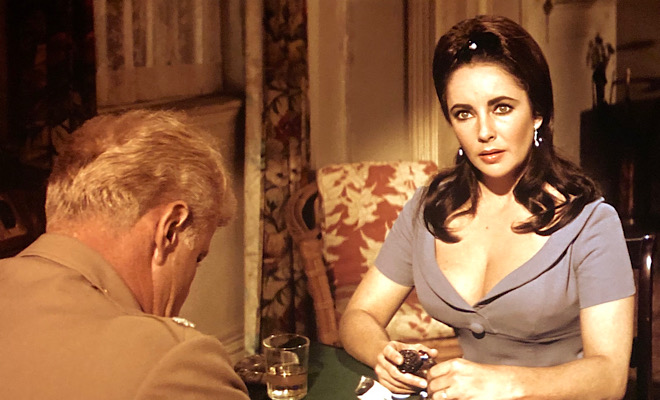
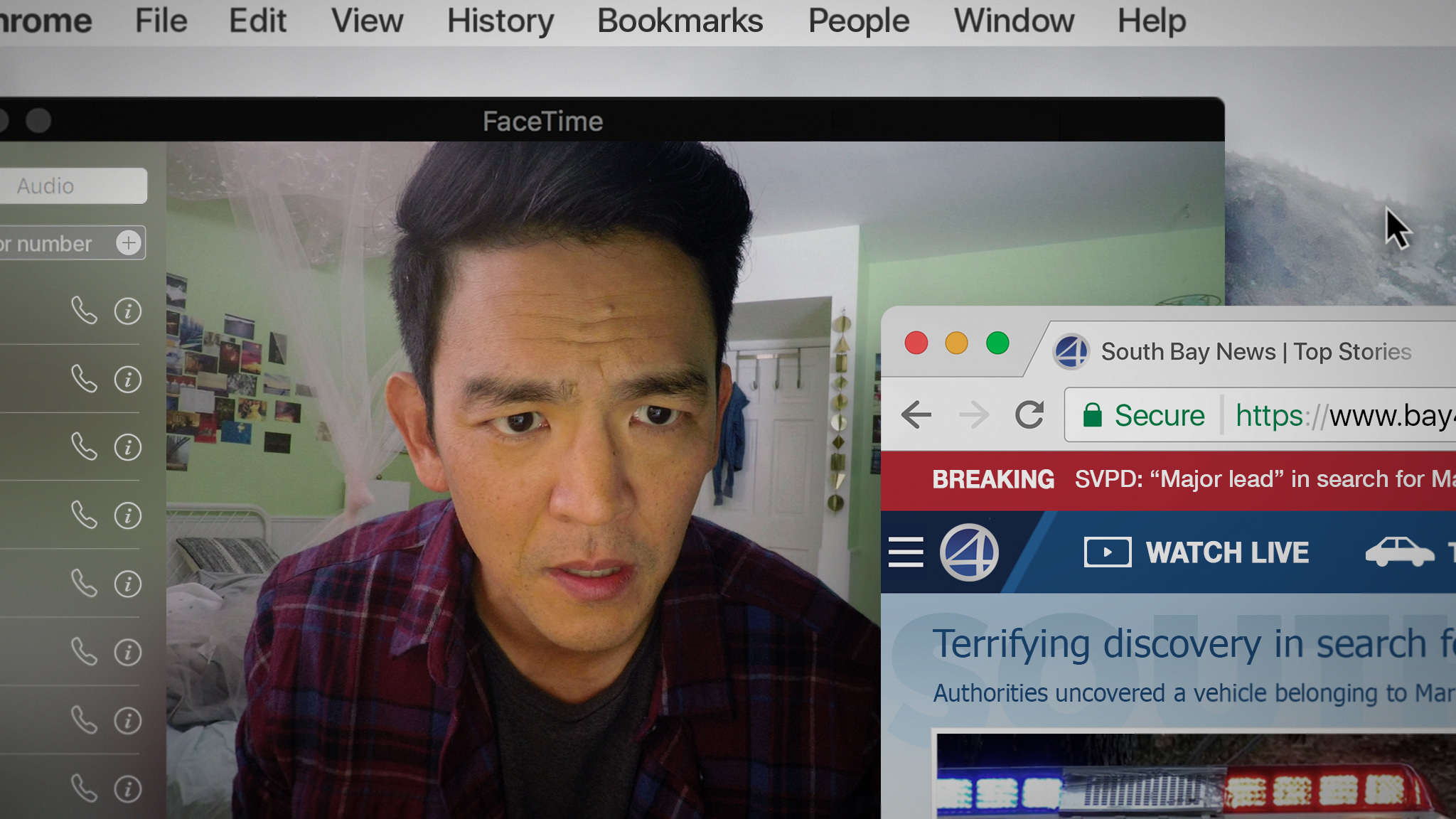
John Cho is Searching for his missing daughter online.


 The Venetian Vase